Product Returns Explained: Policies, Costs & How They Work
Learn what product returns are, why they happen, and how return policies work. A clear 2026 guide covering costs, restocking fees, and consumer rights.
Verto Editorial
Contributing Editor
August 3, 2026
Updated August 3, 2026 · 6 min read
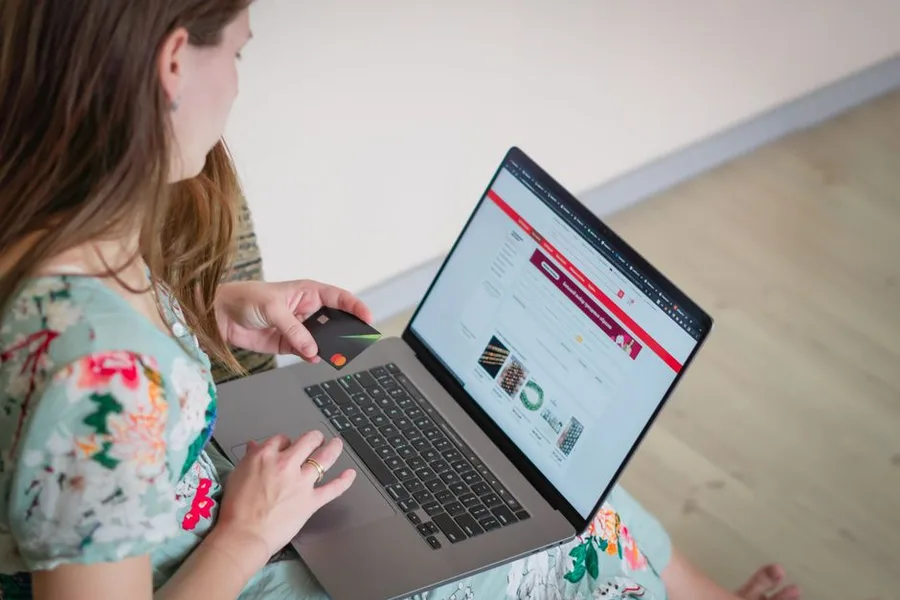
Product returns are the process of a customer sending a purchased item back to a retailer or manufacturer for a refund, exchange, or store credit. Returns are a standard part of modern commerce, driven by consumer protection laws, retailer policies, and the rise of online shopping. In 2026, returns are more than just a logistical afterthought—they are a critical factor in customer satisfaction, business profitability, and environmental sustainability. This guide explains what product returns are, why they matter, who they affect, and how they work in practice.
What Is a Product Return?
A product return is a transaction in which a buyer sends a previously purchased item back to the seller, typically within a specified time frame, to receive a refund, replacement, or credit. The process is governed by the retailer’s return policy, which outlines conditions such as time limits, product condition, and required documentation. Returns can occur for many reasons, including defects, buyer’s remorse, incorrect sizing, or a change of mind. According to the National Retail Federation’s 2024 report, return rates have remained steady at around 16% of total retail sales, with online purchases returning at nearly double the rate of in-store purchases. This statistic underscores the importance of understanding how returns function in both physical and digital retail environments.
Why Product Returns Matter in 2026
Product returns are a significant economic and operational factor for businesses and consumers alike. For retailers, returns represent a cost that can eat into profit margins, but they also serve as a key driver of customer loyalty and repeat purchases. According to a 2023 survey by Narvar, a customer experience platform, 96% of consumers said a positive return experience influences their decision to shop with a retailer again. For consumers, returns provide a safety net that reduces the risk of online shopping, where items cannot be physically inspected before purchase. In 2026, return policies have become a competitive differentiator, with many retailers offering free returns and extended windows to attract customers. Additionally, the environmental impact of returns—particularly the carbon footprint of shipping and the disposal of returned goods—has pushed sustainability to the forefront of return management discussions.
Who Benefits from Understanding Product Returns?
Anyone who shops online or in stores benefits from understanding product returns. This includes consumers who want to know their rights and how to navigate return processes, as well as business owners, e-commerce managers, and customer service professionals who must design and implement return policies. For consumers, knowing the ins and outs of returns can save money and reduce frustration. For businesses, a well-designed return policy can improve customer retention and reduce operational costs. In 2026, the rise of AI-powered return management tools and the growing trend of “returnless refunds”—where retailers refund customers without requiring the item to be shipped back—are changing how returns are handled, making it essential for all parties to stay informed.
How Do Product Returns Work?
Product returns typically follow a structured process, though the exact steps vary by retailer and sales channel. Here is a general breakdown of how returns work in most retail environments:
- Initiation: The customer initiates a return by contacting the retailer, either through an online portal, phone, or in-store. The customer provides order details and the reason for the return.
- Approval: The retailer reviews the return request and approves it if it meets the policy criteria, such as being within the return window and in resalable condition.
- Label Generation: For online purchases, the retailer provides a return shipping label, often with the cost deducted from the refund or offered free, depending on the policy.
- Shipping: The customer packages the item and ships it back using the provided label. Some retailers offer drop-off locations or pickup services to simplify this step.
- Inspection: Once the returned item arrives at the retailer’s facility or warehouse, it is inspected to ensure it meets the return conditions—no damage, all parts included, etc.
- Refund: After inspection, the retailer processes the refund to the original payment method, issues a store credit, or sends a replacement. Refund timelines vary, but most retailers process refunds within 5-10 business days of receiving the item.
Common Return Scenarios and Their Outcomes
Returns can be categorized by the reason for the return and the outcome. The table below outlines common scenarios and typical outcomes:
| Return Scenario | Typical Outcome | Notes |
|---|---|---|
| Defective or damaged item | Full refund or replacement | Retailer usually covers return shipping costs. |
| Wrong item shipped | Full refund or replacement | Retailer error, so customer is not charged. |
| Buyer’s remorse | Refund or store credit | Subject to restocking fees and return window. |
| Size or fit issue | Exchange or refund | Common in apparel and footwear; often free returns. |
| Late return (beyond window) | No refund or partial store credit | Retailer discretion; some allow exceptions. |
| Perishable or personalized items | No return | Excluded by policy for health and safety reasons. |
Key Elements of a Return Policy
A return policy is a set of rules that defines how returns are handled. Key elements include:
- Return window: The time frame (e.g., 30 days) within which a return must be initiated.
- Condition requirements: The product must be unused, unwashed, or in its original packaging.
- Proof of purchase: Receipt, order confirmation, or packaging slip.
- Return shipping: Who pays for return shipping—the customer or the retailer.
- Restocking fees: A percentage deducted from the refund to cover handling costs.
- Refund method: Original payment method, store credit, or exchange.
- Exclusions: Items that cannot be returned, such as clearance, personalized, or hygiene products.
According to the 2024 Consumer Returns Survey by the Retail Industry Leaders Association, 81% of retailers now offer free return shipping, up from 68% in 2020. This shift reflects the competitive pressure to make returns as frictionless as possible.
The Cost of Product Returns
Product returns are expensive. The National Retail Federation estimated that in 2023, returns cost U.S. retailers $743 billion in lost sales, including the cost of processing and restocking. For every $1 billion in sales, the average retailer spends $165 million on returns. These costs include shipping, handling, inspection, restocking, and potential product write-offs. To mitigate these costs, many retailers have implemented restocking fees—typically 10-20% of the purchase price—for certain categories, or they have moved to returnless refunds for low-cost items. In 2026, the cost of returns continues to rise due to increased online shopping and higher shipping rates, making return management a top priority for CFOs and supply chain leaders.
Consumer Rights and Return Policies
Consumers have certain rights when it comes to returns, but these vary by country and state. In the United States, there is no federal law mandating return policies, except for specific categories like mattresses and certain electronics. However, many states have laws that require retailers to post their return policies clearly. In the European Union, consumers have a legal right to return online purchases within 14 days for any reason under the Consumer Rights Directive of 2011. This is known as the “cooling-off period.” In the United Kingdom, the Consumer Contracts Regulations 2013 provides a similar 14-day right. Understanding these rights is crucial for consumers, as they provide a baseline of protection that retailers must honor. According to the European Commission’s 2024 report on consumer rights, 92% of EU consumers are aware of their 14-day return right, yet only 60% have actually exercised it.
How to Make a Return: Step-by-Step
If you need to return a product, follow these steps to ensure a smooth process:
- Check the return policy: Before initiating a return, review the retailer’s policy to confirm eligibility and any fees.
- Gather documentation: Have your order number, receipt, or confirmation email ready.
- Initiate the return: Use the retailer’s online portal or contact customer service to start the process.
- Package the item: Use original packaging if possible, and include all accessories, tags, and manuals.
- Ship or drop off: Use the provided return label or take the item to a designated drop-off location.
- Track the return: Keep the tracking number and monitor the return’s progress.
- Receive your refund: Expect the refund within the stated timeline, usually 5-10 business days after the retailer receives the item.
Common Mistakes to Avoid When Returning Products
Many returns fail or are delayed due to avoidable mistakes. Here are the most common pitfalls:
- Ignoring the return window: Missing the deadline can result in no refund.
- Not following condition requirements: Items with tags removed, worn, or damaged may be rejected.
- Omitting parts or accessories: Missing components can lead to deductions or refusal.
- Choosing the wrong return reason: Some policies require specific reasons for free returns.
- Not keeping proof of return: Losing the tracking number can hinder dispute resolution.
- Assuming all items are returnable: Exclusions like final sale or personalized items are common.
How to Return a Product Without a Receipt
Returning a product without a receipt is possible, but it depends on the retailer’s policy. Many stores will accept returns without a receipt if you can provide a valid ID, and they may offer store credit at the lowest selling price. Some retailers use advanced systems to look up purchases by credit card or loyalty account. According to a 2024 report by the Retail Feedback Group, 78% of retailers allow returns without a receipt, but 45% require a government-issued ID to prevent fraud. It is always best to check the policy before attempting a no-receipt return.
How Long Do You Have to Return a Product?
The return window varies widely by retailer and product category. Standard windows range from 14 to 90 days, with 30 days being the most common. Some retailers, like Amazon, offer extended holiday return windows, allowing purchases made in November to be returned through January 31. According to a 2024 survey by Loop, a returns platform, the average return window across top U.S. retailers is 34 days. However, certain categories like electronics may have shorter windows due to rapid depreciation, while others like furniture may have longer windows. Always check the specific policy at the time of purchase.
What Are Restocking Fees?
A restocking fee is a charge deducted from the refund to cover the cost of processing and inspecting a returned item. Fees typically range from 10% to 20% of the product price, though some retailers charge a flat fee. Restocking fees are most common for electronics, large appliances, and other high-value items. For example, a $1,000 laptop with a 15% restocking fee would result in a $150 deduction from the refund. According to a 2023 report by the Consumer Technology Association, 42% of electronics retailers charge restocking fees. Some states, like California, require retailers to disclose restocking fees at the time of purchase, and they must be clearly stated in the return policy.
Product Returns vs. Exchanges: What’s the Difference?
A return is when a customer sends back an item for a refund or store credit, ending the transaction. An exchange is when a customer sends back an item and receives a different item in return, often a different size, color, or model. Exchanges are common in apparel and footwear, where sizing issues are frequent. The key difference is that an exchange involves a new sale, while a return closes the original sale. Retailers often treat exchanges more leniently, sometimes waiving restocking fees or shipping costs to retain the customer. According to a 2024 study by the International Council of Shopping Centers, 62% of consumers prefer exchanges over returns when they need a different size or color.
The Environmental Impact of Product Returns
Product returns have a significant environmental footprint. Each returned item requires additional shipping, which generates carbon emissions. Many returned items, especially those that cannot be resold, end up in landfills. According to a 2023 report by Optoro, a returns management company, returns generate 5.8 billion pounds of landfill waste in the U.S. annually. Additionally, the reverse logistics process—handling, inspecting, and restocking—consumes energy and resources. In response, many retailers are adopting more sustainable return practices, such as “returnless refunds” for low-cost items, which eliminate the need for shipping. Others are using AI to predict return likelihood and prevent returns before they happen. According to a 2025 study by the Ellen MacArthur Foundation, circular economy models that prioritize repair and resale could reduce return-related waste by up to 30%.
How to Reduce Product Returns for Your Business
For business owners, reducing returns is a key profitability lever. Here are effective strategies:
- Improve product descriptions: Use high-quality images, videos, and detailed size charts to set accurate expectations.
- Use virtual try-on tools: Augmented reality (AR) technology lets customers see how products look before buying.
- Offer personalized recommendations: AI-driven suggestions can help customers choose the right size or variant.
- Provide customer reviews: Honest reviews from other buyers can preempt dissatisfaction.
- Streamline the return process: A hassle-free return policy can actually reduce returns by building trust.
- Analyze return reasons: Use data to identify common issues and fix them at the source.
According to a 2024 report by Shopify, businesses that implement these strategies see a 20-30% reduction in return rates.
Now That You Understand the Basics
You now have a solid understanding of what product returns are, how they work, and why they matter. Whether you’re a consumer looking to make a return or a business owner aiming to optimize your return policy, the key is to stay informed and proactive. To dive deeper, explore our guides on return policy best practices and reducing return rates.
What Readers Are Saying
3 commentsBark sent me an alert on day 11. My daughter had been talking to someone she didn't know on Discord. I would never have found out on my own. Worth every penny of the $14.
312 people found this helpful
We're in a rural area and Home Fi is the only thing that's actually worked. Starlink had an 8-month waitlist. This was plug-and-play in under 10 minutes.
241 people found this helpful
JustAnswer saved me $400 in lawyer fees. Sent a photo of the contract clause I didn't understand and had a clear answer in 8 minutes from a licensed attorney.
188 people found this helpful
Based on this article
500,000 Families Use Bark to Monitor 30+ Apps for Cyberbullying, Predators, and Depression
AI-powered monitoring that alerts parents to genuine risks without invading a teen's privacy — starting at $5/month
Top pick: Bark · AI monitoring · Award-winning · 500K+ families
Related Solution Guides
500,000 Families Use Bark to Monitor 30+ Apps for Cyberbullying, Predators, and Depression — Without Reading Every Message
AI-powered monitoring that alerts parents to genuine risks without invading a teen's privacy — starting at $5/month
Stuck With Slow Rural Internet Because the Big Providers Don't Bother — Here's What Actually Works Outside the City
Wireless home internet that doesn't require cable lines — works in rural areas, RVs, and places the big ISPs don't serve
Skip the $300 Consultation — Get Expert Answers Online in Minutes
Real doctors, lawyers, mechanics, and financial advisors answer your questions for a fraction of the cost — typically within minutes
More in Shopping
100% Cotton Clothing: Why Pure Fibers Beat Blends
100% cotton clothing refers to garments made entirely from cotton fibers, without any synthetic blends. Cotton is a natural, breathable fabr
Why 100% Cotton Quilts Beat Blends (Breathability Tested)
100% cotton quilts are bed coverings made entirely from cotton fibers, known for their breathability, softness, and durability. They often f
5 Warmest 100% Wool Coats That Actually Hold Up (Tested)
A 100% wool coat is an outer garment made entirely from wool fibers, known for its warmth, durability, and classic style. It is a staple win