Do Gel Memory Foam Mattress Toppers Actually Work? A 2026 Buyer's Guide
What gel-infused memory foam mattress toppers do, who benefits most from one, and how to decide between a topper and a full mattress replacement.
Elena Park
Health & Wellness Editor
July 31, 2026
Updated July 31, 2026 · 7 min read
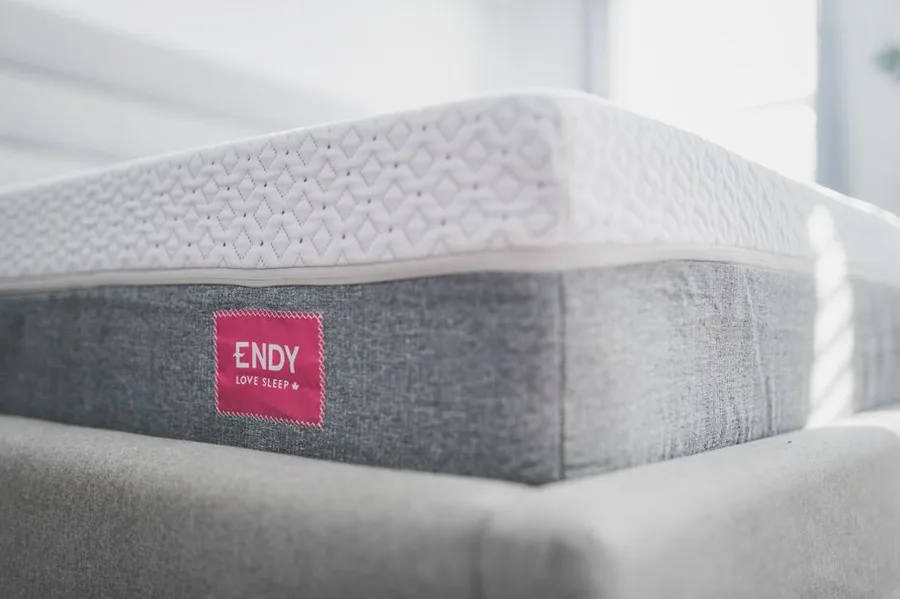
Do Gel Memory Foam Mattress Toppers Actually Work? A 2026 Buyer’s Guide
Quick answer: Yes, gel memory foam mattress toppers work for the right sleeper and the right mattress condition. A 2-4 inch gel-infused layer adds pressure relief and orthopedic support to a mattress that has lost some support but is not structurally worn out, at a fraction of the cost of full replacement. They work best for side sleepers, people with back or joint discomfort, and anyone whose mattress has 3-7 years of use. They do not fix sagging frames, broken coils, or mattresses beyond their lifespan — for those, replacement is the only real fix.
What Does a Gel Memory Foam Mattress Topper Actually Do?
A gel memory foam mattress topper adds a 2-4 inch layer of pressure-relieving material on top of your existing mattress, targeting orthopedic support without the cost of full mattress replacement. The gel infusion is designed to offset one common complaint about traditional memory foam — heat retention — by promoting more airflow than solid foam. The topper’s job is to change the surface feel and support profile of your bed, not to repair the mattress beneath it.
The mechanism is straightforward. Memory foam responds to body heat and pressure, contouring to your shape and distributing weight across a wider surface area. This reduces peak pressure points at the shoulders and hips, which is why the material is associated with orthopedic support. The gel infusion addresses the flip side: traditional memory foam traps heat because it is dense and conforms closely to the body. Gel particles or gel-infused beads create micro-channels for airflow, helping the foam stay cooler than a solid, non-gel equivalent.
What a topper cannot do is equally important. A topper cannot fix a broken or sagging mattress frame or base. If your mattress has visible sagging, protruding coils, or is more than 7-8 years old, a 2-4 inch layer on top will simply conform to the existing damage. You will feel the sag through the topper, and the support benefits will be lost. Toppers are designed for mattresses that have lost some support but are not fully worn out — typically a mattress in the 3-7 year range that has softened but retains structural integrity.
Who Benefits Most From a Gel Memory Foam Topper?
Side sleepers benefit most from gel memory foam toppers because the material relieves pressure at the shoulder and hip — the two highest-pressure contact points in that sleeping position. Back sleepers benefit when the topper fills the natural gap between the lower back and the mattress, promoting neutral spine alignment. Stomach sleepers benefit least, because a thick soft layer can tilt the pelvis forward and increase lower back strain.
If you weigh under 200 pounds, a 2-inch topper provides adequate pressure relief. If you weigh over 200 pounds, a 3-4 inch topper is the better choice, because heavier bodies compress foam more deeply and need the extra thickness to prevent “bottoming out” against the mattress beneath. Couples with different weight profiles should consider this when choosing thickness — the heavier partner will compress the topper more, which can create a visible depression on their side.
People with orthopedic concerns — back pain, joint stiffness, or pressure-point discomfort — are the core audience for this category. Sleepyhead positions its topper specifically around orthopedic support and sleep-quality improvement rather than general comfort alone. That distinction matters: a general comfort topper is a softness adjustment, while an orthopedic-support topper is a targeted response to a specific sleep problem. If you are choosing between the two, define your goal first.
Gel Memory Foam Topper vs. Full Mattress Replacement: A Cost and Value Comparison
| Factor | Gel Memory Foam Topper | Full Mattress Replacement |
|---|---|---|
| Typical thickness | 2-4 inches added on top | 8-14 inches total |
| Cost | Fraction of a full mattress price | Full mattress price (typically 5-10x a topper) |
| Best for | Mattresses 3-7 years old, still structurally sound | Mattresses with sagging, broken coils, or 7+ years of use |
| Pressure relief | Moderate to high, adds a comfort layer | High, full support system replacement |
| Orthopedic support | Yes, for surface pressure points | Yes, for structural alignment |
| Heat retention | Lower than solid foam, due to gel infusion | Varies by mattress construction |
| Installation | Place on top of existing mattress | Remove old mattress, set up new |
| Fixes sagging frame | No | No — frame must be replaced separately |
| Lifespan of solution | 2-4 years before the topper softens | 7-10 years before the mattress needs replacement |
The decision rule is simple. If the mattress is structurally sound — no visible sagging, no protruding coils, frame intact — a topper is the higher-value purchase. If the mattress has structural damage, no topper will fix it, and replacement is the only option. A topper is a surface-level solution; a mattress is a full support system. The most common buyer mistake is purchasing a topper for a mattress that is already beyond its usable life, then concluding the topper “doesn’t work” when the real problem was the mattress beneath it.
How Thick Should Your Gel Memory Foam Topper Be?
The 2-4 inch thickness range covers the practical spectrum for gel memory foam toppers, but the right choice depends on your weight, sleeping position, and the current condition of your mattress. A 2-inch topper is a firmness adjustment — it softens the surface and adds mild pressure relief without dramatically changing the support profile. A 3-inch topper provides noticeable contouring and pressure relief. A 4-inch topper is the closest you can get to a new mattress feel without buying one.
For a mattress that has lost some support but is not fully worn out, a 3-inch topper is the most reliable middle ground. It provides enough material to create genuine pressure relief — not just a surface softness — while remaining thin enough that the structural support of the mattress beneath still does the primary work. A 4-inch topper begins to shift more of the support responsibility to the topper itself, which is only appropriate if the mattress is still in good structural condition.
Weight is the second variable. A 2-inch topper under a 250-pound sleeper will compress almost completely, providing little pressure relief. A 4-inch topper under a 130-pound sleeper may feel excessively soft and create difficulty changing positions during the night. Match thickness to body weight, not to marketing claims about “luxury feel.”
How Long Does a Gel Memory Foam Topper Last?
A gel memory foam topper typically lasts 2-4 years before the foam softens to the point where pressure relief diminishes. Memory foam degrades through repeated compression cycles — every night of use compresses the foam, and over time it loses its ability to spring back. The gel infusion does not change this degradation curve; it only addresses heat retention.
The lifespan is shorter than a full mattress for a simple reason: the topper is a thin layer of foam doing the work that a full mattress spreads across 8-14 inches of material. The same compression forces are concentrated in a thinner layer, so it wears out faster. This is not a defect — it is the trade-off for the lower price.
Signs that a topper needs replacement: you can feel the mattress beneath through the foam, the topper retains visible compression marks hours after you get up, or you wake with the same pressure-point discomfort you had before purchasing it. Rotating the topper head-to-foot every 3 months can extend its life by distributing wear more evenly.
Based on this article
See sleep-quality options
See your options →No obligation — checking doesn't commit you to anything
Does Gel Infusion Actually Keep You Cooler?
Gel infusion is designed to offset heat retention in traditional memory foam by promoting more airflow than solid foam, but it is not a cooling technology — it is a heat-reduction technology. Gel-infused foam runs cooler than standard memory foam, but it does not actively cool you the way a phase-change material or a dedicated cooling mattress cover might.
The distinction matters for expectation setting. If you sleep hot and your current mattress already retains heat, a gel topper will improve the situation compared to a standard foam topper. If you sleep extremely hot and wake drenched, a gel topper alone may not be sufficient — you would need a breathable mattress protector, cooling sheets, or a topper with additional airflow features.
The practical effect is that gel infusion makes memory foam usable for a wider range of sleepers. Traditional memory foam’s heat retention was the primary reason many sleepers rejected it. Gel infusion removes that objection for most people, which is why it has become the default formulation for memory foam toppers rather than a premium upgrade.
How to Choose Between a Topper and a New Mattress: A Decision Framework
If your mattress has visible sagging, broken coils, or is more than 7-8 years old, replace it — a topper cannot fix structural damage. If your mattress is 3-7 years old, structurally sound, but has lost comfort, a gel topper is the higher-value purchase. If your mattress is under 3 years old and uncomfortable, the problem may be the mattress itself — a topper will only mask a poor foundation.
The cost difference drives most decisions. A topper costs a fraction of the price of full mattress replacement, which makes it the rational first step for a mattress that has lost some support but is not fully worn out. The risk is low: if the topper does not solve the problem, you are out only the topper cost, not the full replacement cost. The alternative — buying a new mattress when a topper would have sufficed — is a much more expensive mistake.
For orthopedic support specifically, a topper is the right first intervention because it directly targets the pressure points that cause discomfort. A new mattress addresses the same problem, but at 5-10x the cost. The American Chiropractic Association and similar professional bodies have long recognized mattress surface quality as a factor in sleep-related back discomfort, and a topper is the most cost-effective way to improve that surface.
What Gel Memory Foam Toppers Cannot Do
A gel memory foam topper cannot fix a broken or sagging mattress frame or base. It cannot repair protruding coils, reverse deep body impressions, or restore a mattress that has exceeded its usable lifespan. It cannot change the firmness of the underlying mattress — it only adds a soft layer on top. And it cannot provide the structural support of a full mattress, because it is 2-4 inches of foam, not an 8-14 inch support system.
These limitations are not failures of the product — they are boundaries of the category. A topper is a surface solution for a surface problem. If the problem is structural, the topper will conform to the damage and provide no benefit. The most common negative review of any mattress topper comes from a buyer who applied it to a mattress that was already beyond repair.
The practical test: press your hand into the center of your current mattress. If you can feel the frame or the surface sags visibly under light pressure, the mattress is structurally compromised and a topper will not help. If the mattress feels firm but has lost its comfort layer, a topper is the right tool.
Common Mistakes When Buying a Gel Memory Foam Topper
The first mistake is buying a topper for a structurally damaged mattress, expecting it to fix what only replacement can. The second is choosing thickness based on marketing rather than body weight — a 2-inch topper under a heavier sleeper provides almost no pressure relief. The third is expecting gel infusion to actively cool you, when it only reduces heat retention compared to standard foam.
The fourth mistake is ignoring the mattress condition entirely. A topper works best on a mattress that has lost some support but is not fully worn out. If the mattress is beyond that point, the topper is wasted money. The fifth is skipping the break-in period — memory foam toppers need 24-72 hours to fully expand and soften after unpacking, and judging them on the first night produces misleading conclusions.
A final consideration: toppers do not change the underlying mattress support. If your mattress is too soft, a topper will not firm it up — it will make it softer. If you need a firmer surface, a topper is the wrong solution entirely.
What Readers Are Saying
3 commentsBark sent me an alert on day 11. My daughter had been talking to someone she didn't know on Discord. I would never have found out on my own. Worth every penny of the $14.
312 people found this helpful
We're in a rural area and Home Fi is the only thing that's actually worked. Starlink had an 8-month waitlist. This was plug-and-play in under 10 minutes.
241 people found this helpful
JustAnswer saved me $400 in lawyer fees. Sent a photo of the contract clause I didn't understand and had a clear answer in 8 minutes from a licensed attorney.
188 people found this helpful
Based on this article
500,000 Families Use Bark to Monitor 30+ Apps for Cyberbullying, Predators, and Depression
AI-powered monitoring that alerts parents to genuine risks without invading a teen's privacy — starting at $5/month
Top pick: Bark · AI monitoring · Award-winning · 500K+ families
Frequently Asked Questions
Do gel memory foam mattress toppers actually work for back pain?
Yes, for the right sleeper. A gel memory foam mattress topper adds a 2-4 inch pressure-relieving layer that contours to your body, reducing peak pressure at the shoulders and hips. This helps side sleepers and people with back or joint discomfort. It will not fix a sagging or structurally worn-out mattress.
Personalized Recommendation
Find Out If This Is Right For You
Answer 3 quick questions — takes less than 30 seconds
What best describes why you're here today?
Based on your answers
See sleep-quality options appears to be a strong match
Takes under 60 seconds — no obligation to proceed.
See sleep-quality options →Verto may earn a commission — it never changes our verdict. No obligation to purchase.
Today's Top Pick
See sleep-quality options
Available now — see if it's right for your situation.
See sleep-quality optionsVerto may earn a commission — it never changes our verdict. Checking availability doesn't commit you to anything.
Related Solution Guides
500,000 Families Use Bark to Monitor 30+ Apps for Cyberbullying, Predators, and Depression — Without Reading Every Message
AI-powered monitoring that alerts parents to genuine risks without invading a teen's privacy — starting at $5/month
Stuck With Slow Rural Internet Because the Big Providers Don't Bother — Here's What Actually Works Outside the City
Wireless home internet that doesn't require cable lines — works in rural areas, RVs, and places the big ISPs don't serve
Skip the $300 Consultation — Get Expert Answers Online in Minutes
Real doctors, lawyers, mechanics, and financial advisors answer your questions for a fraction of the cost — typically within minutes
More in Shopping

100% Cotton Clothing: Why Pure Fibers Beat Blends
100% cotton clothing refers to garments made entirely from cotton fibers, without any synthetic blends. Cotton is a natural, breathable fabr
Why 100% Cotton Quilts Beat Blends (Breathability Tested)
100% cotton quilts are bed coverings made entirely from cotton fibers, known for their breathability, softness, and durability. They often f
5 Warmest 100% Wool Coats That Actually Hold Up (Tested)
A 100% wool coat is an outer garment made entirely from wool fibers, known for its warmth, durability, and classic style. It is a staple win