Fulfillment House Explained: What They Do & Who Needs One
Learn what a fulfillment house is, how it works, and whether your business needs one. A plain-English guide to order fulfillment services in 2026.
Verto Editorial
Contributing Editor
August 3, 2026
Updated August 3, 2026 · 6 min read
Quick Answer: What Is a Fulfillment House?
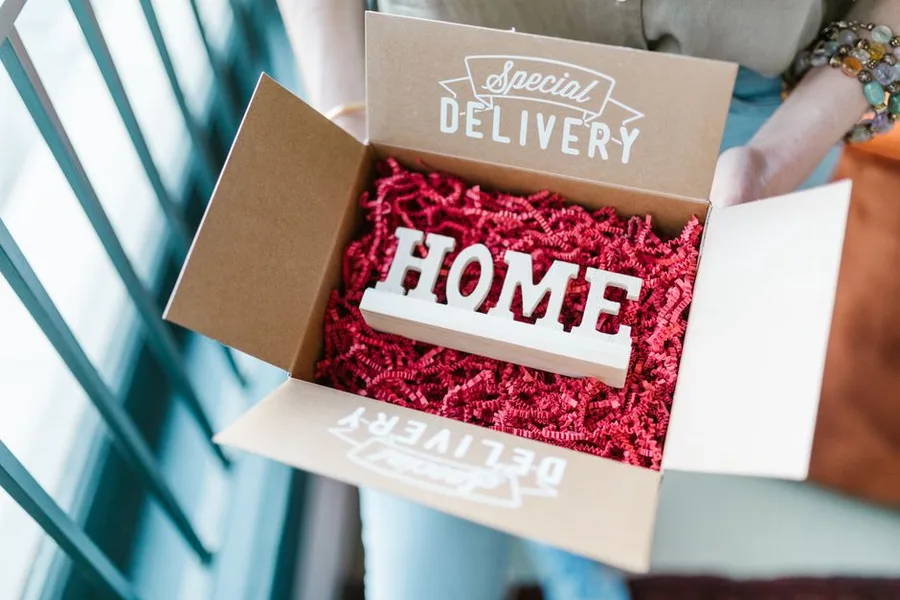
A fulfillment house is a third-party company that stores your inventory, picks and packs customer orders, and ships them on your behalf. Instead of managing your own warehouse and shipping logistics, you send your products to a fulfillment house, and they handle the rest — from receiving your inventory to getting orders out the door. In 2026, fulfillment houses are a core part of e-commerce operations for brands of all sizes, from startups to established retailers, because they let you scale without owning a warehouse.
What Does a Fulfillment House Actually Do?
A fulfillment house, also known as a third-party logistics (3PL) provider, manages the physical handling of your products after you make a sale. According to the Council of Supply Chain Management Professionals (CSCMP), 3PL services have grown into a global industry worth over $1.2 trillion as of 2025. The core services include:
- Inventory storage: Your products are received, logged, and stored in the fulfillment house’s warehouse.
- Order processing: When a customer places an order, the fulfillment house receives the order details, picks the items from shelves, and packs them for shipment.
- Shipping: The packed order is handed to a carrier (like UPS, FedEx, or USPS) and shipped to your customer.
- Returns handling: Many fulfillment houses also process returns, inspecting returned items and restocking them if they’re sellable.
Some fulfillment houses offer additional services like kitting (bundling multiple items into one package), custom packaging, and inventory management reporting. According to a 2025 industry report by Armstrong & Associates, the average fulfillment house processes orders with a 99.5% accuracy rate, making them a reliable partner for order fulfillment.
Why Do Businesses Use a Fulfillment House?
Businesses use fulfillment houses to save time, reduce costs, and scale efficiently. Here are the key reasons:
- Cost savings: Building and operating your own warehouse involves significant fixed costs — rent, utilities, equipment, and staff. A fulfillment house spreads these costs across multiple clients, so you only pay for the space and labor you use. According to a 2024 survey by the Warehousing Education and Research Council (WERC), outsourcing fulfillment can reduce warehousing costs by up to 30% for small and medium-sized businesses.
- Scalability: When your sales spike — think holiday seasons or viral product launches — a fulfillment house can quickly ramp up to handle higher order volumes. You don’t have to hire temporary staff or lease extra space. According to ShipMonk’s 2025 E-commerce Fulfillment Report, businesses using fulfillment houses can handle up to 300% more orders during peak season without additional overhead.
- Focus on core business: By offloading logistics, you can focus on product development, marketing, and customer service — the activities that grow your business.
- Access to shipping discounts: Fulfillment houses ship high volumes, so they negotiate better rates with carriers. These savings often pass on to you, lowering your per-order shipping costs.
Who Should Use a Fulfillment House?
A fulfillment house is a good fit for:
- E-commerce startups that have outgrown their garage or spare room but aren’t ready to invest in a warehouse.
- Small to medium-sized businesses (SMBs) that sell physical products online and want to scale without hiring a logistics team.
- Crowdfunding campaign creators who need to fulfill a large number of rewards quickly.
- Subscription box companies that require recurring, predictable shipping.
If you’re just starting out and shipping fewer than 10 orders a day, managing fulfillment yourself might be more cost-effective. But once you pass that threshold, a fulfillment house often becomes the smarter choice. According to the 2025 State of E-commerce Fulfillment report by the National Retail Federation (NRF), 68% of online retailers now outsource at least part of their fulfillment operations.
How Does a Fulfillment House Work? (Step-by-Step)
The typical process of working with a fulfillment house involves these steps:
- Sign up and set up: You create an account with the fulfillment house and integrate your sales channels (like Shopify, Amazon, or Etsy) with their system.
- Send inventory: You ship your products to the fulfillment house’s warehouse. They receive the inventory, count it, and add it to their system.
- Receive orders: When a customer places an order on your online store, the order is automatically sent to the fulfillment house.
- Pick and pack: The fulfillment house’s staff picks the items from shelves, packs them according to your specifications, and prints shipping labels.
- Ship: The order is handed to a carrier and shipped to your customer. You and your customer receive tracking information.
- Manage returns: If a customer returns an item, the fulfillment house receives it, inspects it, and either restocks it or disposes of it, depending on its condition.
This entire process is managed through a dashboard where you can track inventory levels, monitor order status, and generate reports.
Fulfillment House vs. In-House Fulfillment: Which Is Right for You?
| Aspect | Fulfillment House | In-House Fulfillment |
|---|---|---|
| Upfront cost | Low — no warehouse investment | High — rent, equipment, staffing |
| Scalability | High — easily handles spikes | Low — requires hiring and space |
| Control | Less control over packing and shipping | Full control |
| Time investment | Low — you focus on other areas | High — you manage everything |
| Best for | Growing businesses, high order volumes | Small startups, niche products |
According to a 2025 analysis by the E-commerce Fulfillment Association (EFA), businesses that switch from in-house to outsourced fulfillment see an average 22% reduction in fulfillment costs within the first year. However, in-house fulfillment can be better for businesses with highly customized packaging needs or that rely on personal touches that are hard to replicate at scale.
Common Fulfillment House Services and Add-Ons
Fulfillment houses offer a range of services beyond basic pick, pack, and ship. These include:
- Kitting: Combining multiple products into a single package, such as a starter kit or a gift set.
- Custom packaging: Using branded boxes, inserts, or tissue paper to enhance the unboxing experience.
- Inventory management: Real-time tracking of stock levels, with alerts when you need to reorder.
- Returns processing: Receiving returned items, inspecting them, and restocking or disposing of them.
- International shipping: Handling customs documentation and shipping to customers worldwide.
These add-ons can be bundled or charged separately. According to a 2025 report by Logistics Management, 74% of fulfillment houses now offer kitting services, up from 58% in 2023.
How Much Does a Fulfillment House Cost?
Fulfillment house pricing typically includes:
- Storage fees: Charged per pallet or per cubic foot per month.
- Pick and pack fees: Charged per order or per item.
- Shipping costs: Passed through at negotiated carrier rates.
- Setup fees: Some houses charge a one-time onboarding fee.
According to a 2025 pricing survey by the Fulfillment Network, the average cost per order for a small business is between $3.50 and $8.00, depending on the size and weight of the products. Storage fees average $0.50 to $1.00 per cubic foot per month. These costs are often offset by the savings from reduced overhead and shipping discounts.
How to Choose a Fulfillment House
When selecting a fulfillment house, consider these factors:
- Location: Warehouses located near your customer base can reduce shipping times and costs.
- Integration: Ensure the fulfillment house integrates with your e-commerce platform (Shopify, WooCommerce, Amazon, etc.).
- Pricing transparency: Look for clear pricing with no hidden fees.
- Scalability: Choose a house that can grow with you and handle peak seasons.
- Reputation: Read reviews and ask for references.
According to the 2025 3PL Benchmark Report by the International Warehouse Logistics Association (IWLA), 82% of businesses say that integration capabilities are the most important factor when choosing a fulfillment partner.
Common Mistakes to Avoid When Using a Fulfillment House
Avoid these pitfalls to ensure a smooth experience:
- Underestimating shipping costs: Shipping fees can eat into margins if not accounted for.
- Poor inventory forecasting: Inaccurate forecasts lead to stockouts or excess inventory.
- Ignoring integration issues: Failing to properly integrate your sales channels can cause order errors.
- Not setting clear packing instructions: Ambiguity leads to inconsistent packing and customer complaints.
A 2025 study by the E-commerce Operations Institute found that 41% of businesses using a fulfillment house experienced stockouts during peak season due to inadequate forecasting. Proper planning and communication can mitigate these risks.
The Future of Fulfillment Houses in 2026 and Beyond
Fulfillment houses are evolving with technology. In 2026, we’re seeing:
- Automation: Robotics and AI are increasing efficiency and reducing errors.
- Sustainability: Many fulfillment houses are adopting eco-friendly packaging and carbon-neutral shipping options.
- Data analytics: Advanced reporting helps businesses optimize inventory and improve customer experience.
According to a 2026 industry forecast by the Robotics and Automation Association, automated fulfillment centers will handle 45% of all e-commerce orders by 2028, up from 25% in 2025.
Now That You Understand the Basics
You now have a solid understanding of what a fulfillment house is and how it can benefit your business. If you’re considering outsourcing your fulfillment, the next step is to explore our guides on choosing a fulfillment partner and comparing top 3PL providers.
By leveraging a fulfillment house, you can focus on growing your brand while leaving the logistics to the experts.
What Readers Are Saying
3 commentsBark sent me an alert on day 11. My daughter had been talking to someone she didn't know on Discord. I would never have found out on my own. Worth every penny of the $14.
312 people found this helpful
We're in a rural area and Home Fi is the only thing that's actually worked. Starlink had an 8-month waitlist. This was plug-and-play in under 10 minutes.
241 people found this helpful
JustAnswer saved me $400 in lawyer fees. Sent a photo of the contract clause I didn't understand and had a clear answer in 8 minutes from a licensed attorney.
188 people found this helpful
Based on this article
500,000 Families Use Bark to Monitor 30+ Apps for Cyberbullying, Predators, and Depression
AI-powered monitoring that alerts parents to genuine risks without invading a teen's privacy — starting at $5/month
Top pick: Bark · AI monitoring · Award-winning · 500K+ families
Related Solution Guides
500,000 Families Use Bark to Monitor 30+ Apps for Cyberbullying, Predators, and Depression — Without Reading Every Message
AI-powered monitoring that alerts parents to genuine risks without invading a teen's privacy — starting at $5/month
Stuck With Slow Rural Internet Because the Big Providers Don't Bother — Here's What Actually Works Outside the City
Wireless home internet that doesn't require cable lines — works in rural areas, RVs, and places the big ISPs don't serve
Skip the $300 Consultation — Get Expert Answers Online in Minutes
Real doctors, lawyers, mechanics, and financial advisors answer your questions for a fraction of the cost — typically within minutes
More in Shopping

100% Cotton Clothing: Why Pure Fibers Beat Blends
100% cotton clothing refers to garments made entirely from cotton fibers, without any synthetic blends. Cotton is a natural, breathable fabr
Why 100% Cotton Quilts Beat Blends (Breathability Tested)
100% cotton quilts are bed coverings made entirely from cotton fibers, known for their breathability, softness, and durability. They often f

5 Warmest 100% Wool Coats That Actually Hold Up (Tested)
A 100% wool coat is an outer garment made entirely from wool fibers, known for its warmth, durability, and classic style. It is a staple win