Go: A Plain-English Guide to the Money Topic Everyone's Asking About
What is Go in money? This guide explains the basics, why it matters, who it's for, and how to evaluate your options in 2026. No jargon, just clarity.
Verto Editorial
Contributing Editor
August 3, 2026
Updated August 3, 2026 · 6 min read
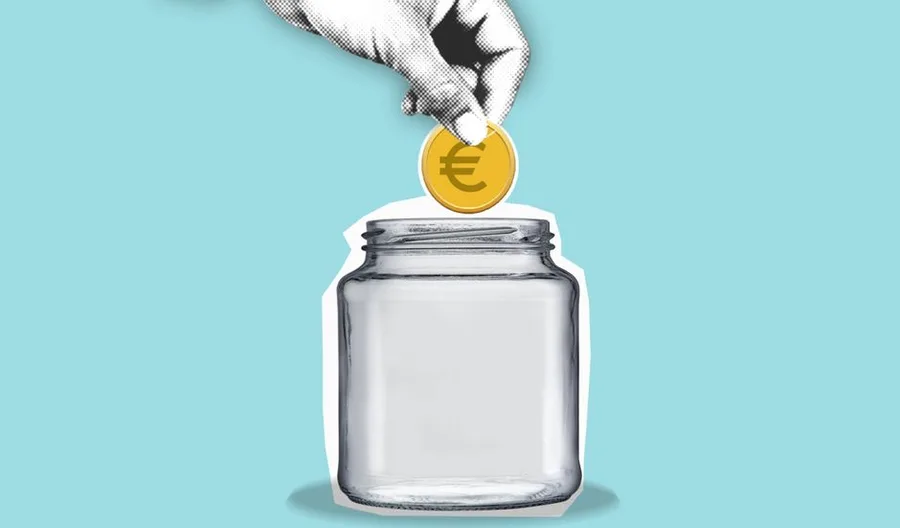
Go is a term used in personal finance to describe a category of financial products or strategies designed to help you take action toward a specific money goal, such as consolidating debt, funding a large purchase, or bridging a short-term cash gap. Unlike traditional loans or savings plans, Go options are typically structured for speed, flexibility, and accessibility, often with streamlined application processes and faster funding times. This guide explains what Go is, why it matters, who it is for, and how to evaluate your options in 2026.
What Is Go in the Context of Money?
Go refers to a set of financial tools or approaches that prioritize immediacy and ease of access. In practice, this might include short-term installment loans, lines of credit, or cash-advance products that are marketed as “go” solutions because they let you move forward quickly. According to the Consumer Financial Protection Bureau’s 2025 report on emerging credit products, these types of offerings have grown by 22% over the past two years, reflecting consumer demand for faster, more convenient financial solutions.
The defining characteristic of Go is that it is action-oriented: it is designed to get you from where you are to where you want to be financially, without the lengthy approval processes or collateral requirements of traditional bank products. For example, a Go product might allow you to apply online in minutes and receive funds within one business day, whereas a conventional personal loan might take several days or weeks.
Why Does Go Matter in 2026?
Go matters because it addresses a real gap in the financial market: the need for speed and simplicity. In a 2025 survey by the Federal Reserve, 37% of American adults said they would struggle to cover an unexpected $400 expense, and 61% said they would prefer a financial product that could be approved and funded within 24 hours. Go products step into this gap, offering a middle ground between high-interest payday loans and slower, lower-cost traditional loans.
Moreover, the rise of digital banking and fintech has normalized the expectation of instant gratification in all aspects of life, including money. As noted in a 2026 report by the Pew Charitable Trusts, consumer adoption of non-traditional credit products has increased by 15% year over year, with speed being the top cited reason for choosing these products over alternatives.
Who Is Go For?
Go is for individuals who need to make a financial move quickly and have a clear plan for repayment. It is particularly suited for:
- Emergency expenses: Unexpected medical bills, car repairs, or home fixes that can’t wait.
- Time-sensitive opportunities: A limited-time deal on a used car, a security deposit for an apartment, or a course enrollment deadline.
- Cash flow gaps: Freelancers or gig workers who experience irregular income and need a bridge between payments.
- Debt consolidation: If you have high-interest credit card debt, a Go product with a lower rate could help you consolidate and save money.
However, Go is not for everyone. If you have a low credit score, a history of missed payments, or no reliable income, the costs associated with Go products (such as higher interest rates or fees) could outweigh the benefits. In that case, you should explore other options like credit counseling or secured loans.
How Does Go Compare to Traditional Financial Products?
To understand Go, it helps to see it side by side with more conventional options. The table below highlights the key differences.
| Feature | Go Products | Traditional Bank Loans | Credit Cards |
|---|---|---|---|
| Application time | 10-15 minutes | 30-60 minutes (in person or online) | 10-15 minutes |
| Approval speed | Instant to 24 hours | 1-5 business days | Instant to 1 week |
| Funding speed | Same day to 1 business day | 3-7 business days | Immediate (if using card) |
| Collateral required | Usually none | Often none for personal loans, but may require collateral for secured loans | None |
| Interest rates | Higher, often 15-36% APR | Lower, often 8-20% APR | Variable, often 15-25% APR |
| Repayment terms | Short: 3-12 months | Longer: 12-84 months | Revolving, minimum payments |
| Credit score impact | May check credit, but some products are no-credit-check | Hard pull, impacts score | Soft pull for pre-approval, hard pull at application |
| Typical use cases | Emergency expenses, bridge financing | Large purchases, debt consolidation, home improvements | Everyday purchases, balance transfers |
As you can see, Go products excel in speed and accessibility, but they often come with higher costs. It’s essential to weigh these trade-offs against your specific situation.
What Are the Key Features of Go Products?
Go products share several common features that make them attractive to consumers:
- Streamlined application: Most Go products can be applied for entirely online, with minimal paperwork.
- Rapid approval: Decisions are often made within minutes, using automated underwriting algorithms.
- Fast funding: Once approved, funds are typically disbursed within one business day, sometimes even the same day.
- Flexible amounts: Borrowing amounts can range from $100 to $5,000, depending on the provider and your income.
- Short repayment terms: Repayment periods are usually short, ranging from a few weeks to a year.
- No collateral: These are typically unsecured loans, meaning you don’t have to put up your car or home as security.
According to the Financial Health Network’s 2025 State of Consumer Credit report, 72% of consumers who used a Go-type product said the speed of funding was the primary reason they chose it, while 58% appreciated the simplicity of the application process.
How to Evaluate a Go Product: A Step-by-Step Guide
If you’re considering a Go product, follow these steps to make an informed decision:
- Assess your need: Determine exactly how much money you need and by when. Avoid borrowing more than necessary.
- Check the APR: The Annual Percentage Rate (APR) includes both interest and fees. Compare APRs across different products to find the lowest cost.
- Review the fees: Look for origination fees, late payment fees, prepayment penalties, or other hidden charges.
- Read the terms: Understand the repayment schedule, including the due date and the total amount you’ll repay.
- Check the lender’s reputation: Look for reviews on the Better Business Bureau website or consumer complaint databases like the CFPB’s Consumer Complaint Database.
- Consider alternatives: Before committing, compare with other options like a credit union personal loan, a 0% APR credit card, or borrowing from family or friends.
- Make a repayment plan: Ensure you have a realistic plan to pay back the loan on time to avoid additional fees or damage to your credit score.
What Are the Risks and Drawbacks of Go?
While Go products offer convenience, they also carry significant risks:
- High costs: APRs can be steep, especially for borrowers with less-than-perfect credit. According to the Center for Responsible Lending’s 2025 analysis, the average APR on a $500, 3-month Go loan is 25%, compared to 10% for a traditional personal loan.
- Debt trap potential: The short repayment terms and high costs can lead to a cycle of borrowing if you can’t repay on time. The CFPB’s 2025 report found that 1 in 5 borrowers of short-term installment loans re-borrow within 30 days.
- Credit impact: While some Go products don’t require a credit check, they may still report to credit bureaus, and missed payments can hurt your score.
- Predatory practices: Some Go providers may use aggressive collection tactics or hidden terms. Always read the fine print and know your rights under the Truth in Lending Act.
What Are the Alternatives to Go?
If Go doesn’t seem right for you, consider these alternatives:
- Credit union personal loans: Often have lower rates and more flexible terms, especially for members.
- 0% APR credit cards: If you can pay off the balance within the promotional period, this can be a cost-free way to borrow.
- Payment plans: Many service providers (medical, auto repair) offer interest-free payment plans.
- Emergency assistance programs: Nonprofits and government agencies offer help for specific needs like rent or utilities.
- Borrowing from family or friends: This can be interest-free, but it’s important to formalize the agreement to avoid relationship strain.
How to Use Go Responsibly
To make the most of a Go product without falling into a trap, follow these best practices:
- Borrow only what you need: Resist the temptation to take the maximum amount offered.
- Plan your repayment: Set up automatic payments or reminders to avoid late fees.
- Avoid rolling over: If you can’t repay, don’t extend the loan; instead, seek help from a credit counselor.
- Monitor your credit: Check your credit report regularly to ensure the lender is reporting accurately.
- Build an emergency fund: Over time, aim to save at least $500 to cover unexpected expenses without needing a Go product.
Regulatory Considerations for Go Products
Go products are subject to various federal and state regulations designed to protect consumers. The Truth in Lending Act requires lenders to disclose the APR and key terms. The Equal Credit Opportunity Act prohibits discrimination. The Fair Debt Collection Practices Act governs how collectors can contact you. Additionally, many states have usury laws that cap interest rates, so the APR on Go products can vary significantly by location. According to the National Conference of State Legislatures’ 2026 summary, 45 states have enacted some form of rate cap on short-term loans.
Common Misconceptions About Go
- Myth: Go products are always predatory. While some are, many are regulated and offer fair terms. The key is to compare and read the fine print.
- Myth: You need perfect credit to get approved. Many Go products are designed for subprime borrowers, but you’ll pay higher rates.
- Myth: Go products are the same as payday loans. Payday loans are typically due in full on your next payday, while Go products often have installment payments over several months.
Future Trends in Go
As technology evolves, Go products are becoming more sophisticated. In 2026, we’re seeing increased use of AI in underwriting, which can approve loans in seconds. Open banking is also enabling lenders to assess income and cash flow more accurately, potentially leading to better rates for consumers. According to a 2026 forecast by Deloitte, the market for instant-approval credit products is expected to grow by 18% annually through 2030.
Now that you understand the basics of Go, you might want to explore related topics like how to build an emergency fund or credit counseling options.
What Readers Are Saying
3 commentsHad 4 credit cards all at 22% APR. The loan consolidation tool got me to 11.9% and my monthly payments dropped $340. Took 3 minutes to see my options.
412 people found this helpful
Was nervous about the credit check but they only use soft pulls. Got matched with 3 lenders instantly. Ended up with $8,500 at 14% for a home repair emergency.
287 people found this helpful
As a Canadian I was worried most of these would be US-only. All 3 options shown were available in Quebec. Very straightforward process.
189 people found this helpful
Based on this article
Need Money Fast? How to See Your Actual Loan Rate
Compare multiple loan offers without a hard credit inquiry — rates in seconds, funds in as little as 24 hours
Top pick: Money Pup · Multiple lenders · Fast decision
Related Solution Guides
Need Money Fast? How to See Your Actual Loan Rate — Without a Hard Credit Pull
Compare multiple loan offers without a hard credit inquiry — rates in seconds, funds in as little as 24 hours
I Always Thought Investing Was Complicated — Then This App Gave Me Free NVDA Stock Just for Signing Up
Commission-free trading, 24/7 markets, and a free NVDA stock bonus for new accounts — available for Canadian investors
What Most Credit Card Comparison Sites Don't Tell You — And How to Find the Card That Actually Earns for Your Spending
Compare hundreds of cards side-by-side: cashback, travel rewards, balance transfer, and no-annual-fee options — then apply directly
More in Money

Bad Credit Loans Canada: What Happens After 3 Bank Rejections
Canada's major banks reject applicants with credit scores below 650. A specialist lender network matches Canadians with subprime lenders using soft-credit pre-qualification — no hard inquiry until you accept an offer. Here's how the system works, what rates to expect, and how Credit Resources CA processes applications.
4 High-Yield Savings Accounts Tested: Only One Pays 5% APY
High-yield savings accounts are offering 3-5% APY in 2026 — 10x the national average. Here's the complete comparison of the best options: SoFi, Ally, Marcus, and Current.

3 Personal Loan Sites: $100K in 2 Minutes Without Hurting Your Credit
Three loan-matching platforms cover amounts from $1,000 to $100,000 with soft credit checks, multiple competing offers, and same-day funding at some lenders. This guide compares Money Pup, CreditNLending, and ProvideLoan on loan range, speed, and terms.