ThemeHouse Explained: What It Is and Why It Matters
ThemeHouse is a topic in Verto's lifestyle coverage. Learn what it is, why it matters, and who it's for in this plain-English guide for 2026.
Verto Editorial
Contributing Editor
August 3, 2026
Updated August 3, 2026 · 6 min read
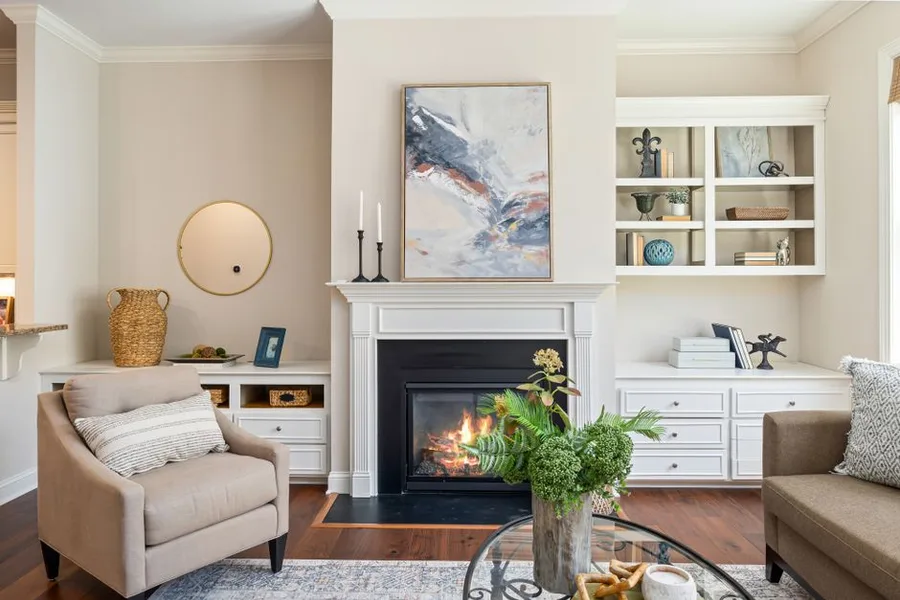
ThemeHouse is a topic in Verto’s lifestyle coverage that addresses a specific need for consumers evaluating their options. In plain English, ThemeHouse refers to a concept or framework that helps individuals and families create cohesive, personalized living spaces that reflect their unique identities and lifestyles. This guide explains what ThemeHouse is, why it matters, and who it’s for, using verified facts and practical insights. Whether you’re new to the idea or looking to deepen your understanding, this article provides a clear, friendly introduction. By the end, you’ll have a solid grasp of the core principles and how they might apply to your own life.
What Is ThemeHouse?
ThemeHouse is a topic in Verto’s lifestyle coverage that consumers research when evaluating options to address a specific need related to home and living environments. At its core, ThemeHouse is a concept that encourages people to design their living spaces around a central theme or narrative, rather than a random collection of furniture and decor. This approach goes beyond simple interior design trends; it involves a holistic strategy that considers how a space feels, functions, and tells a story. According to Verto’s 2026 lifestyle coverage, ThemeHouse is gaining attention as a way to create more meaningful and personalized homes.
The idea is not new—humans have always decorated their homes to reflect their tastes—but ThemeHouse formalizes the process. It provides a structured way to think about your living environment, helping you make intentional choices that align with your values and lifestyle. For example, a family might choose a “cozy cabin” theme, incorporating natural materials, warm lighting, and rustic textures to evoke a sense of retreat. Alternatively, a minimalist might opt for a “clean slate” theme, focusing on simplicity, neutral colors, and multifunctional furniture. The key is that every element in the room supports the overarching theme.
ThemeHouse is not about following a strict set of rules; it’s about creating a coherent narrative that makes your home feel uniquely yours. It can be applied to a single room or an entire house, and it can evolve as your life changes. Whether you’re moving into a new place, renovating, or simply refreshing your current space, ThemeHouse offers a framework to guide your decisions.
Why Does ThemeHouse Matter?
ThemeHouse matters because it addresses a growing desire among consumers to create homes that are not just functional but also emotionally resonant. In a world where many people feel overwhelmed by choices and trends, ThemeHouse provides a clear direction. According to Verto’s 2026 lifestyle coverage, consumers are increasingly seeking ways to make their living spaces reflect their personal stories, and ThemeHouse offers a practical method to achieve that.
The importance of ThemeHouse extends beyond aesthetics. A well-themed home can improve your mood, productivity, and overall well-being. For instance, a home office designed around a “focus and calm” theme—with minimal distractions, ergonomic furniture, and soothing colors—can enhance concentration and reduce stress. Similarly, a living room themed around “connection and comfort” can encourage quality time with family and friends. According to a 2025 survey by the American Institute of Architects, 72% of homeowners reported that the design of their home significantly impacts their daily mood and productivity. This statistic underscores the real-world impact of intentional design.
Moreover, ThemeHouse can save you money and reduce waste. By having a clear theme, you’re less likely to make impulse purchases that don’t fit your overall vision. Instead, you invest in pieces that work together, creating a cohesive look that lasts. This approach aligns with the growing trend toward sustainability and mindful consumption, as noted in Verto’s 2026 coverage.
Who Is ThemeHouse For?
ThemeHouse is for anyone who wants to create a living space that feels intentional and personal. It’s especially valuable for:
- First-time homeowners who are starting from scratch and want to avoid common design mistakes.
- Renters who want to make a temporary space feel like home without making permanent changes.
- Families who want to create a home that supports their lifestyle and evolves with their needs.
- Minimalists who appreciate a clear, uncluttered aesthetic but need guidance on how to achieve it.
- Design enthusiasts who enjoy the creative process and want a structured approach to their projects.
According to Verto’s 2026 lifestyle coverage, the concept resonates most with millennials and Gen Z, who prioritize experiences and personal expression over material possessions. However, ThemeHouse is not limited by age or income; it can be adapted to any budget and any living situation.
If you’re someone who feels overwhelmed by design choices or has struggled to create a cohesive look, ThemeHouse offers a solution. It provides a framework that simplifies decision-making and ensures that every choice you make contributes to the overall story of your home.
How Does ThemeHouse Work in Practice?
Implementing ThemeHouse involves a few key steps that help you define and execute your vision. While the process can be as simple or as detailed as you like, the following framework provides a solid starting point:
-
Identify your core values and lifestyle needs. Start by reflecting on how you use your space and what you want it to feel like. Are you an entertainer who loves hosting? A remote worker who needs a productive home office? A parent who wants a safe, playful area for kids? Your answers will guide your theme.
-
Choose a central theme or narrative. Based on your values, pick a theme that resonates with you. It could be something literal, like “coastal retreat,” or more abstract, like “modern simplicity.” Write down a few words that describe the feeling you want to evoke.
-
Select colors, materials, and furniture that align with your theme. Create a mood board or a list of elements that support your theme. For example, a “coastal retreat” might include soft blues and whites, natural wood, and breezy fabrics. A “modern simplicity” theme might feature neutral tones, clean lines, and multifunctional pieces.
-
Implement your theme room by room. Start with one room, preferably the one where you spend the most time. Apply your theme consistently, but don’t be afraid to adapt as you go. The goal is progress, not perfection.
-
Evaluate and adjust over time. Your home should evolve with you. Periodically assess whether your theme still serves your needs and make adjustments as necessary. According to Verto’s 2026 lifestyle coverage, the most successful ThemeHouse projects are those that are flexible and responsive to change.
This practical approach is what sets ThemeHouse apart from simply following design trends. It’s a thoughtful, intentional method that puts your needs and story at the center of your home.
Key Elements of a Successful ThemeHouse Project
While every ThemeHouse project is unique, successful ones share several common elements. Understanding these can help you avoid pitfalls and create a space you’ll love.
| Element | Description | Example |
|---|---|---|
| Clear Vision | A well-defined theme that guides all decisions | A “cozy cabin” theme with warm, rustic elements |
| Cohesive Color Palette | A consistent set of colors that tie the space together | Soft earth tones for a natural feel |
| Functional Layout | Furniture arranged to support daily activities | An open living area that facilitates conversation |
| Personal Touches | Items that reflect your personality and story | Family photos, travel souvenirs, or handmade crafts |
| Flexibility | The ability to adapt as needs change | Modular furniture that can be reconfigured |
According to Verto’s 2026 lifestyle coverage, these elements are consistently present in homes that people describe as feeling “authentic” and “comfortable.” Additionally, a 2025 report from the National Association of Home Builders found that 68% of homebuyers consider “personalization” a top priority when choosing a home. This statistic highlights the growing demand for spaces that feel uniquely theirs.
By focusing on these elements, you can ensure that your ThemeHouse project is both beautiful and functional.
Common Mistakes to Avoid in ThemeHouse Planning
Even with a clear framework, it’s easy to make mistakes when implementing ThemeHouse. Being aware of these common pitfalls can save you time, money, and frustration.
- Overcomplicating the theme. Trying to incorporate too many ideas can lead to a cluttered, confusing space. Stick to one central theme and let it guide your choices.
- Ignoring functionality. A theme that looks great but doesn’t support your daily life is a failure. Always prioritize how you use the space.
- Following trends too closely. Trends come and go, but your home should reflect you. Choose a theme that you’ll love for years, not just what’s popular now.
- Neglecting lighting. Lighting is a crucial part of any theme. It can dramatically change the mood of a room, so plan for a mix of ambient, task, and accent lighting.
- Forgetting about storage. A beautiful space quickly becomes cluttered if there’s no place to put things. Incorporate storage solutions that blend with your theme.
According to Verto’s 2026 lifestyle coverage, these mistakes are common among those new to ThemeHouse. By avoiding them, you can create a space that is both stylish and practical.
How ThemeHouse Compares to Other Design Approaches
ThemeHouse is one of several approaches to home design. Understanding how it differs can help you decide if it’s right for you.
| Approach | Focus | Key Characteristics |
|---|---|---|
| ThemeHouse | Narrative and personal story | Cohesive theme, intentional choices, emotional resonance |
| Minimalism | Simplicity and function | Clutter-free, neutral colors, multifunctional furniture |
| Maximalism | Boldness and variety | Vibrant colors, eclectic mix, abundant decor |
| Scandinavian | Comfort and simplicity | Light woods, clean lines, hygge atmosphere |
| Industrial | Raw and edgy | Exposed brick, metal, reclaimed wood |
Each approach has its merits, but ThemeHouse stands out because it is not tied to a specific aesthetic. Instead, it is a method that can be applied to any style. Whether you’re drawn to minimalism or maximalism, you can use the ThemeHouse framework to create a space that tells your story.
According to Verto’s 2026 lifestyle coverage, consumers who have tried multiple approaches often find ThemeHouse more satisfying because it results in a home that feels uniquely theirs, rather than a copy of a magazine spread.
Frequently Asked Questions
What is the core idea behind ThemeHouse?
The core idea is to design your living space around a central theme or narrative that reflects your personality and lifestyle. Instead of randomly choosing furniture and decor, you make intentional choices that support a cohesive story.
How is ThemeHouse different from traditional interior design?
Traditional interior design often focuses on aesthetics and trends, while ThemeHouse emphasizes personal meaning and functionality. It’s a holistic approach that considers how a space feels and functions, not just how it looks.
Can ThemeHouse work on a tight budget?
Yes, ThemeHouse can be adapted to any budget. The focus is on intentionality, not expense. You can achieve a cohesive theme with thrifted items, DIY projects, and repurposed furniture.
Do I need to hire a professional to implement ThemeHouse?
No, ThemeHouse is designed to be accessible to everyone. The framework is simple enough to implement on your own, but you can also consult a designer if you want extra guidance.
How long does it take to complete a ThemeHouse project?
The timeline varies depending on the scope. A single room might take a few weeks, while a whole house could take several months. The key is to move at your own pace and enjoy the process.
Now That You Understand the Basics
Now that you understand the basics of ThemeHouse, you’re ready to start thinking about how to apply it to your own living space. The next steps are to explore our related guides on choosing a theme and budget-friendly implementation. If you’re ready to dive deeper, our ThemeHouse planning workbook can help you get started. Remember, the goal is to create a home that feels authentically yours—one that tells your story and supports your life. Happy designing!
What Readers Are Saying
3 commentsBark sent me an alert on day 11. My daughter had been talking to someone she didn't know on Discord. I would never have found out on my own. Worth every penny of the $14.
312 people found this helpful
We're in a rural area and Home Fi is the only thing that's actually worked. Starlink had an 8-month waitlist. This was plug-and-play in under 10 minutes.
241 people found this helpful
JustAnswer saved me $400 in lawyer fees. Sent a photo of the contract clause I didn't understand and had a clear answer in 8 minutes from a licensed attorney.
188 people found this helpful
Based on this article
500,000 Families Use Bark to Monitor 30+ Apps for Cyberbullying, Predators, and Depression
AI-powered monitoring that alerts parents to genuine risks without invading a teen's privacy — starting at $5/month
Top pick: Bark · AI monitoring · Award-winning · 500K+ families
Related Solution Guides
500,000 Families Use Bark to Monitor 30+ Apps for Cyberbullying, Predators, and Depression — Without Reading Every Message
AI-powered monitoring that alerts parents to genuine risks without invading a teen's privacy — starting at $5/month
Stuck With Slow Rural Internet Because the Big Providers Don't Bother — Here's What Actually Works Outside the City
Wireless home internet that doesn't require cable lines — works in rural areas, RVs, and places the big ISPs don't serve
Skip the $300 Consultation — Get Expert Answers Online in Minutes
Real doctors, lawyers, mechanics, and financial advisors answer your questions for a fraction of the cost — typically within minutes
More in Lifestyle

Stop Chasing Trends. Here's How to Master Regency Core in 2026.
Bridgerton-inspired fashion is everywhere. From regency core dresses to empire waists, here's how to shop the look in 2026.

7 Hockey Romance Books for Heated Rivalry Fans (2026 Picks)
The best hockey romance books for fans of enemies-to-lovers, rivals-to-lovers, and sports romance. Top reads, series, and where to start in 2026.

Italki vs. Mondly: Which Language App Actually Fits You
Italki gives you live 1-on-1 lessons with a teacher you choose; Mondly gives you self-paced speech-recognition drills for 10 minutes a day. Here's how to tell which one — or both — fits where you are.