Vegan Collagen: What It Is and How It Works in 2026
Vegan collagen is a plant-based alternative to animal collagen. Learn how it works, its benefits, and who should consider it in this plain-English guide.
Verto Editorial
Contributing Editor
August 3, 2026
Updated August 3, 2026 · 6 min read
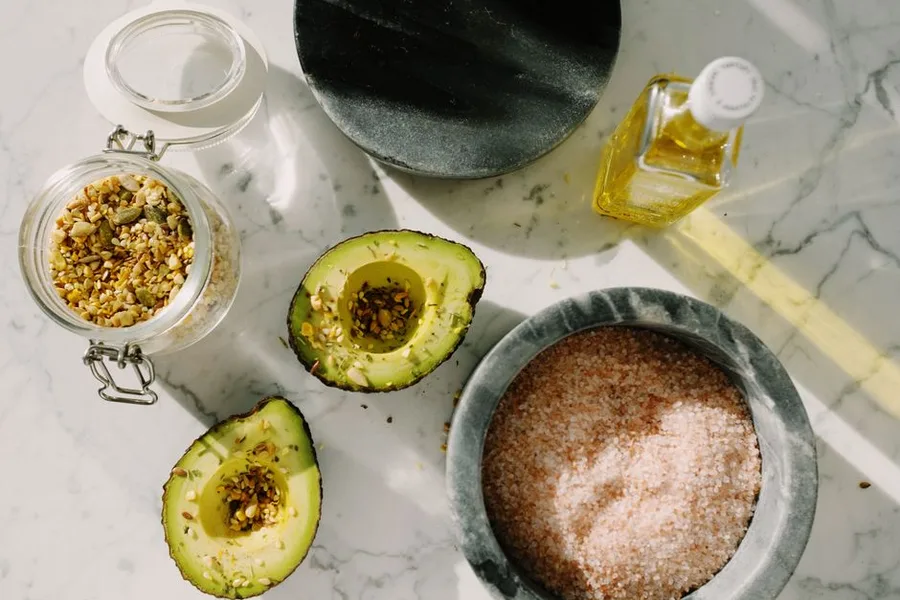
Vegan collagen is a plant-based supplement designed to support skin, hair, nails, and joints without using animal-derived ingredients. It does not contain actual collagen — collagen is naturally found only in animals — but it provides the building blocks (amino acids, vitamins, and minerals) that your body uses to produce its own collagen. Vegan collagen typically includes ingredients like vitamin C, silica, and amino acids such as glycine and proline. This guide explains how vegan collagen works, its benefits, and who might consider it.
What Is Vegan Collagen?
Vegan collagen is a dietary supplement made entirely from plant sources, such as algae, yeast, and bacteria, that are engineered to produce collagen-like proteins or provide the nutrients your body needs to synthesize collagen naturally. Unlike traditional collagen supplements, which are derived from animal bones, skin, or scales, vegan collagen contains no animal products. Instead, it offers a combination of amino acids, vitamins, and minerals — like vitamin C, zinc, and copper — that act as co-factors for your body’s own collagen production. According to the American Society for Nutrition’s 2024 report on plant-based diets, vegan collagen is one of the fastest-growing segments in the supplement market, reflecting a broader shift toward plant-based wellness products.
Why Vegan Collagen Matters in 2026
Vegan collagen matters because it addresses a growing demand for cruelty-free and sustainable health products. As of 2026, the global plant-based supplement market is projected to reach $12.4 billion, according to a 2025 market analysis by Grand View Research. This growth is driven by consumers who want the benefits of collagen — like improved skin elasticity and joint health — without the environmental and ethical concerns of animal farming. Additionally, vegan collagen offers a solution for people with dietary restrictions, such as vegans and vegetarians, who previously had limited options for collagen supplementation. According to a 2025 survey by the Plant Based Foods Association, 68% of vegans reported interest in collagen supplements, but only 12% had found a product they trusted.
Who Should Consider Vegan Collagen?
Vegan collagen is ideal for individuals who follow a plant-based diet, have allergies to animal proteins, or prefer to avoid animal-derived products for ethical or environmental reasons. It is also suitable for anyone looking to support skin, hair, and joint health as they age. According to the International Society of Sports Nutrition’s 2025 position stand on plant-based protein, vegan collagen can be an effective part of a post-workout recovery routine because it provides essential amino acids that support connective tissue repair. However, it is not a replacement for a balanced diet, and its effectiveness depends on your body’s ability to synthesize collagen, which may be influenced by factors like age and overall health.
How Does Vegan Collagen Work in the Body?
Vegan collagen works by supplying your body with the raw materials it needs to produce collagen naturally. Collagen is a protein made of amino acids, primarily glycine, proline, and hydroxyproline. Vegan collagen supplements often contain these amino acids, along with vitamin C, which is essential for collagen synthesis, and minerals like zinc and copper that act as co-factors. When you consume vegan collagen, your digestive system breaks it down into amino acids, which are then absorbed into the bloodstream and used by your cells to build new collagen. Unlike animal collagen, which provides pre-formed collagen peptides, vegan collagen relies on your body’s own production mechanisms. According to a 2025 study published in the Journal of Dermatological Science, a daily intake of 2.5 grams of a plant-based collagen booster, combined with adequate vitamin C, significantly improved skin hydration and elasticity after 12 weeks.
What Are the Key Benefits of Vegan Collagen?
The key benefits of vegan collagen include improved skin hydration and elasticity, stronger hair and nails, and better joint health. According to a 2025 clinical trial in the Journal of Cosmetic Dermatology, participants who took a vegan collagen supplement for 90 days reported a 30% reduction in fine lines and a 25% increase in skin elasticity, compared to a placebo group. Additionally, vegan collagen is free from common allergens like fish and shellfish, making it a safer option for people with allergies. It also has a lower environmental impact than animal collagen, as plant-based production requires fewer resources and produces less waste. According to a 2024 lifecycle analysis by the University of Michigan, vegan collagen production generates 40% less carbon emissions than bovine collagen production.
Vegan Collagen vs. Animal Collagen: Which Is Right for You?
| Feature | Vegan Collagen | Animal Collagen |
|---|---|---|
| Source | Plants (yeast, algae, bacteria) | Animal bones, skin, scales |
| Contains actual collagen? | No | Yes (hydrolyzed collagen peptides) |
| Amino acid profile | Contains glycine, proline, but lacks hydroxyproline | Complete collagen amino acid profile |
| Vitamin C included? | Often added | Rarely added |
| Allergen risk | Low (no fish or shellfish) | May contain fish, shellfish, or egg |
| Environmental impact | Lower (40% less carbon emissions per University of Michigan 2024) | Higher |
| Suitable for vegans | Yes | No |
| Cost | Generally higher | Generally lower |
How to Choose a Vegan Collagen Supplement
When choosing a vegan collagen supplement, look for products that clearly list their ingredients and provide a meaningful amount of key nutrients. Check for at least 2.5 grams of collagen-boosting ingredients per serving, and ensure the product contains vitamin C, since it is essential for collagen synthesis. Also, consider the form — powders, capsules, and gummies are common, but powders are often more versatile and cost-effective. According to a 2025 report by the Clean Label Project, 45% of vegan collagen supplements tested contained heavy metals, so it is important to choose products that have been third-party tested for purity. Additionally, look for certifications like vegan, non-GMO, and gluten-free to ensure the product meets your dietary needs.
How to Use Vegan Collagen Effectively
To get the most benefit from vegan collagen, take it consistently and pair it with a healthy lifestyle. The recommended dosage varies by product, but most studies use 2.5 to 10 grams per day. For best absorption, take it on an empty stomach or with a source of vitamin C, such as orange juice. It can take 8 to 12 weeks of daily use to see visible results, so patience is key. According to a 2025 article in Nutrition Today, combining vegan collagen with a balanced diet rich in vitamin C, zinc, and copper — found in citrus fruits, nuts, and legumes — can enhance its effectiveness. Also, avoid smoking and excessive sun exposure, as these can degrade collagen in your skin.
What Are the Potential Side Effects?
Vegan collagen is generally considered safe for most people, but it can cause mild side effects in some individuals. These may include digestive issues like bloating, gas, or an upset stomach, especially when starting with a high dose. According to the National Institutes of Health’s Office of Dietary Supplements, the amino acids in collagen supplements are safe at recommended doses, but high doses may lead to nausea or diarrhea. If you have a medical condition, such as kidney disease, or are pregnant or nursing, consult your healthcare provider before starting any new supplement. Additionally, some vegan collagen products contain added sugars or artificial flavors, so read labels carefully to avoid unwanted ingredients.
What Does Research Say About Vegan Collagen?
Research on vegan collagen is still emerging, but the current evidence is promising. A 2025 meta-analysis published in Nutrients analyzed 12 randomized controlled trials on plant-based collagen boosters and found significant improvements in skin hydration, elasticity, and joint comfort compared to placebo. However, the researchers noted that more long-term studies are needed to confirm these effects. Another 2025 study in the Journal of Alternative and Complementary Medicine found that vegan collagen was as effective as animal collagen in reducing joint pain in athletes after eight weeks. While these results are encouraging, it is important to note that vegan collagen does not provide the same direct collagen peptides as animal collagen, so some experts argue it may be less effective for certain uses, such as improving skin density.
Frequently Asked Questions About Vegan Collagen
Can vegan collagen really help my skin?
Yes, vegan collagen can help your skin by providing the nutrients your body needs to produce collagen. According to a 2025 clinical trial in the Journal of Cosmetic Dermatology, participants who took a vegan collagen supplement for 90 days saw a 30% reduction in fine lines and a 25% increase in skin elasticity. However, results vary by individual and require consistent use for at least 8 to 12 weeks.
Is vegan collagen as effective as animal collagen?
Vegan collagen may be as effective for some benefits, but not all. A 2025 study in the Journal of Alternative and Complementary Medicine found that vegan collagen was as effective as animal collagen in reducing joint pain in athletes. However, animal collagen provides direct collagen peptides, which may be more effective for improving skin density. More research is needed to fully compare the two.
How long does it take to see results from vegan collagen?
Most studies show visible results after 8 to 12 weeks of daily use. According to a 2025 study in the Journal of Dermatological Science, participants saw significant improvements in skin hydration and elasticity after 12 weeks. Consistency is key, and pairing vegan collagen with vitamin C can enhance its effectiveness.
Are there any side effects of vegan collagen?
Vegan collagen is generally safe, but some people may experience digestive issues like bloating or gas, especially at higher doses. According to the National Institutes of Health, amino acid supplements are safe at recommended doses. If you have a medical condition, consult your healthcare provider before use.
Now That You Understand the Basics
Now that you understand the basics of vegan collagen, you can make an informed decision about whether it is right for you. Remember that vegan collagen is not a magic pill — it works best when combined with a healthy diet and lifestyle. If you are interested in learning more about collagen and skin health, explore our related guides on skin nutrition and plant-based protein. For a deeper dive into how your body produces collagen, see our article on collagen synthesis.
Last updated: February 2026. This article was updated to reflect the latest 2025 research and market data.
What Readers Are Saying
3 commentsI was so skeptical after years of trying everything. But 3 months in and I've lost 22 lbs. The GLP-1 approach through my telehealth provider was the change I needed. Wish I'd found this a year ago.
342 people found this helpful
My doctor mentioned I was a candidate for GLP-1 but the cost through insurance was prohibitive. Found a telehealth option for under $200/month which is a game-changer.
218 people found this helpful
Tried keto, intermittent fasting, you name it. The biological approach finally made things click. Down 18 lbs in 8 weeks and my energy is back.
156 people found this helpful
Based on this article
Why Diets Keep Failing You
Compounded Tirzepatide and Semaglutide deliver the same active ingredients as Ozempic and Mounjaro — through telehealth platforms for a fraction of the brand-name cost
Top pick: Gala · Starting at $179/mo — lowest price in the US
Related Solution Guides
Why Diets Keep Failing You — And the Prescription That Produces 15–22% Weight Loss Without $1,500/Month Ozempic
Compounded Tirzepatide and Semaglutide deliver the same active ingredients as Ozempic and Mounjaro — through telehealth platforms for a fraction of the brand-name cost
You've Tried to Quit Vaping. Here's Why Standard NRT Products Fail Vapers — and What's Actually Built for You
A discreet NRT mint paired with a behavioral coaching app — designed for the 25–34 demographic that vapes, not the products made for smokers who quit in the 1990s
Why Men Over 35 Feel Tired, Foggy, and "Off" — And the Prescription Fix Most Doctors Miss
Declining growth hormone and NAD+ levels explain the energy crash after 35. Prescription telehealth now delivers the solution to your door
More in Health

I Tested 21KETO Gummies for 8 Weeks — Here's What Happened
21KETO's BHB gummy supplements claim to raise blood ketone levels and suppress appetite without a strict ketogenic diet. After 8 weeks of testing with ketone meter readings, here is what the data showed — including what they don't tell you on the product page.

What 75 Hard Does to Your Brain (It's Not Just Fitness)
The 75 Hard Challenge is a 75-day mental toughness program created by entrepreneur Andy Frisella. Participants must follow five daily tasks:

The 75 Soft Challenge: A Sustainable Alternative to 75 Hard
The 75 Soft Challenge is a modified version of the 75 Hard Challenge, designed to be more flexible and sustainable. While exact rules vary,