Hard Cold Brew: A Plain-English Guide for 2026
Hard cold brew is a caffeinated alcoholic beverage. Learn what it is, how it's made, its alcohol and caffeine content, and who should drink it.
Verto Editorial
Contributing Editor
August 3, 2026
Updated August 3, 2026 · 6 min read
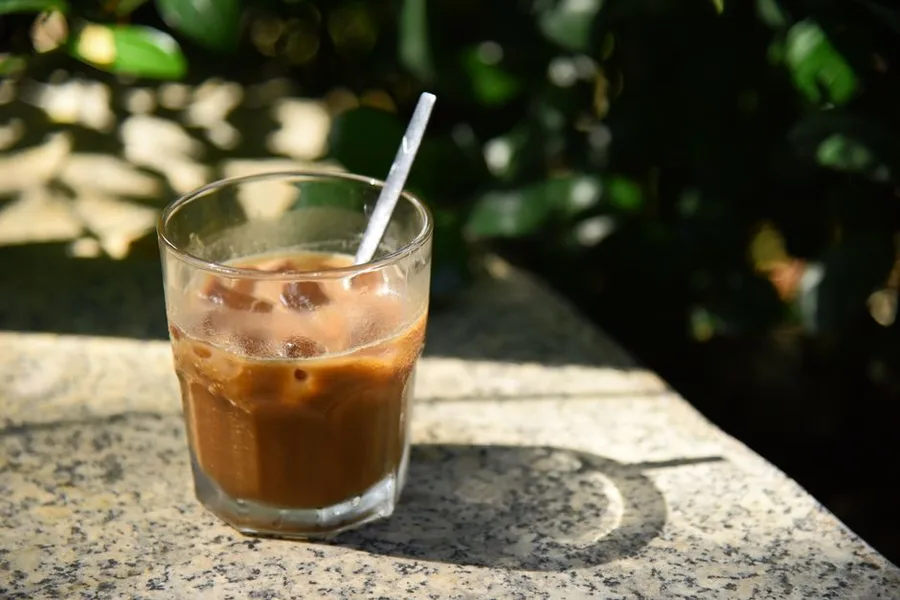
Hard cold brew is a canned alcoholic beverage that combines cold-brew coffee with alcohol, typically malt-based, resulting in a drink with an ABV of 5% to 7% and a caffeine content ranging from 100 to 150 mg per 12-ounce can. It’s not a cocktail or a mixer; it’s a ready-to-drink (RTD) product designed for portable, convenient consumption. This guide explains what hard cold brew is, how it’s made, how it differs from regular cold brew and other coffee beers, and what to consider before trying it.
What Is Hard Cold Brew?
Hard cold brew is a ready-to-drink alcoholic beverage that blends cold-brew coffee with alcohol. Unlike a traditional cocktail, it’s typically made with a malt base (similar to beer) and flavored with coffee, though some brands use a wine base. The result is a sweet, slightly bitter, caffeinated drink with an alcohol by volume (ABV) between 5% and 7%. It’s sold in cans or bottles, often in four-packs, and is meant to be consumed chilled.
How Is Hard Cold Brew Made?
Hard cold brew is made by combining cold-brew coffee concentrate with an alcoholic base. The base is usually malt (fermented grain), which gives it a beer-like character, but some producers use a neutral spirit or wine. The coffee is added after fermentation to preserve its flavor and caffeine. The mixture is then sweetened, carbonated, and packaged. The process is similar to making a hard seltzer, but with coffee as the primary flavor.
The Role of Cold Brew Coffee
Cold brew coffee is made by steeping coarsely ground coffee in cold water for 12 to 24 hours. This method extracts fewer bitter compounds than hot brewing, resulting in a smoother, less acidic coffee. In hard cold brew, this concentrate is used to provide a rich coffee flavor without the harshness of hot-brewed coffee.
The Alcoholic Base
Most hard cold brews use a malt base, which is a fermented mixture of grains like barley or wheat. This base is similar to what’s used in beer but is often lighter and less bitter. Some brands use a wine base, which yields a different flavor profile and is often gluten-free. The choice of base affects the taste and mouthfeel of the final product.
What Is the Alcohol Content of Hard Cold Brew?
Hard cold brew typically has an ABV between 5% and 7%, similar to a standard beer. According to the National Institute on Alcohol Abuse and Alcoholism (NIAAA), a standard drink in the United States contains 0.6 fluid ounces of pure alcohol, which is equivalent to a 12-ounce beer at 5% ABV. Therefore, a 12-ounce can of hard cold brew at 5% ABV counts as one standard drink. Some brands offer higher ABVs, up to 8% or more, which would count as more than one standard drink per can.
How Much Caffeine Is in Hard Cold Brew?
Hard cold brew contains about 100 to 150 mg of caffeine per 12-ounce can. For comparison, a standard cup of coffee (8 ounces) contains about 95 mg of caffeine, according to the U.S. Food and Drug Administration (FDA). This means a can of hard cold brew has roughly the same caffeine as a cup of coffee, but in a smaller volume. The caffeine comes from the cold brew concentrate, which is not decaffeinated.
How Does Hard Cold Brew Differ From Regular Cold Brew?
Regular cold brew is a non-alcoholic coffee beverage, while hard cold brew includes alcohol. The key differences are:
| Feature | Regular Cold Brew | Hard Cold Brew |
|---|---|---|
| Alcohol | None | 5-7% ABV |
| Caffeine | 150-200 mg per 12 oz | 100-150 mg per 12 oz |
| Base | Coffee + water | Coffee + malt/wine base |
| Carbonation | Usually none | Often carbonated |
| Serving | Often served over ice | Ready-to-drink in can |
How Does Hard Cold Brew Differ From Coffee Beer?
Coffee beer is a style of beer that has coffee added during brewing. Hard cold brew is different because it uses cold brew concentrate and is often sweetened and flavored. Coffee beers tend to be more bitter and have a lower caffeine content (usually less than 50 mg per 12 oz) because the coffee is added during the brewing process, which can reduce caffeine. Hard cold brew, on the other hand, adds coffee after fermentation, preserving more caffeine.
Is Hard Cold Brew Gluten-Free?
Hard cold brew may or may not be gluten-free, depending on the base. If it’s made with a malt base (barley), it contains gluten. If it’s made with a wine base or a gluten-free grain like sorghum, it can be gluten-free. According to the Celiac Disease Foundation, products made with barley are not gluten-free. Always check the label for gluten-free certification if you have celiac disease or gluten sensitivity.
What Does Hard Cold Brew Taste Like?
Hard cold brew tastes like a sweet, slightly bitter coffee drink with an alcoholic kick. It often has notes of chocolate, caramel, and roasted nuts, similar to a coffee-flavored beer or a coffee liqueur. The carbonation adds a refreshing fizz, and the sweetness balances the bitterness of the coffee. Some brands add flavors like vanilla, mocha, or salted caramel.
Who Is Hard Cold Brew For?
Hard cold brew is for adults who enjoy coffee and alcohol and want a convenient, portable drink. It appeals to those who like the taste of cold brew but want an alcoholic version. It’s also popular among people who are looking for an alternative to beer or hard seltzer. However, it’s not suitable for anyone who is avoiding caffeine or alcohol.
Is Hard Cold Brew Safe to Drink?
Hard cold brew is safe for most adults when consumed in moderation. However, because it combines caffeine and alcohol, it can mask the effects of alcohol, leading to overconsumption. The FDA warns that caffeine can mask the depressant effects of alcohol, making you feel less intoxicated than you actually are. The NIAAA recommends that women limit alcohol to one drink per day and men to two drinks per day. Always drink responsibly and be aware of your caffeine intake.
Why Is Hard Cold Brew Popular?
Hard cold brew has gained popularity because it taps into two major trends: the growth of cold brew coffee and the rise of ready-to-drink alcoholic beverages. According to a report by the National Coffee Association (NCA) in 2025, cold brew consumption has increased by 20% among adults in the U.S. over the past two years. Meanwhile, the RTD beverage market has been booming, with hard seltzers leading the way. Hard cold brew combines these trends, offering a novel product that appeals to coffee lovers and alcohol drinkers alike.
What Are the Health Considerations?
Hard cold brew is not a health drink. It contains calories from sugar and alcohol, and it has caffeine, which can cause jitters, insomnia, and increased heart rate in sensitive individuals. The American Heart Association (AHA) advises that excessive alcohol consumption can lead to high blood pressure and other cardiovascular issues. Also, the Centers for Disease Control and Prevention (CDC) notes that mixing caffeine with alcohol can lead to risky behaviors. If you have a medical condition, consult your doctor before consuming hard cold brew.
How to Drink Hard Cold Brew Responsibly
To drink hard cold brew responsibly, follow these tips:
- Check the ABV and caffeine content on the label.
- Limit yourself to one can per hour, and no more than two in a sitting.
- Drink plenty of water to stay hydrated.
- Never drink and drive.
- Avoid mixing with other alcoholic beverages.
What Is the Future of Hard Cold Brew?
The future of hard cold brew looks promising. The market for coffee-flavored alcoholic beverages is expected to grow, according to a 2025 report by Grand View Research, which projects a compound annual growth rate (CAGR) of 8% from 2026 to 2030. This growth is driven by consumer demand for innovative RTD beverages. As more brands enter the market, we can expect more variety in flavors and alcohol content.
Now That You Understand the Basics
Now that you understand the basics of hard cold brew, you can decide if it’s right for you. Remember to check the label for ABV and caffeine content, drink responsibly, and enjoy it as an occasional treat. For more information on related topics, check out our guides on cold brew coffee and alcoholic beverages.
Frequently Asked Questions
Is hard cold brew a beer?
Hard cold brew is similar to beer in that it often uses a malt base, but it is not classified as a beer. It is a flavored malt beverage (FMB) or a ready-to-drink cocktail, depending on the base. The taste and alcohol content are similar to beer, but the coffee flavor sets it apart.
How much alcohol is in a can of hard cold brew?
A standard 12-ounce can of hard cold brew typically has an ABV of 5% to 7%, which is equivalent to one to one-and-a-half standard drinks. Always check the label for the exact ABV.
Does hard cold brew have more caffeine than coffee?
No, hard cold brew has about the same caffeine as a cup of coffee, around 100 to 150 mg per 12-ounce can. A standard 8-ounce cup of coffee has about 95 mg, so the caffeine content is comparable.
Can you drink hard cold brew if you’re gluten-free?
It depends on the base. If it’s made with malt (barley), it contains gluten. If it’s made with a wine base or gluten-free grains, it may be gluten-free. Check the label for gluten-free certification.
Is hard cold brew safe to drink every day?
Like any alcoholic beverage, hard cold brew should be consumed in moderation. The NIAAA recommends no more than one drink per day for women and two for men. Because it also contains caffeine, daily consumption may lead to excessive caffeine intake, which can have negative health effects.
What is the difference between hard cold brew and a coffee cocktail?
A coffee cocktail is typically made by mixing coffee with spirits like vodka or whiskey, often in a bar setting. Hard cold brew is a pre-packaged, ready-to-drink product with a consistent flavor. It’s more convenient and has a set alcohol and caffeine content.
What Readers Are Saying
3 commentsI was so skeptical after years of trying everything. But 3 months in and I've lost 22 lbs. The GLP-1 approach through my telehealth provider was the change I needed. Wish I'd found this a year ago.
342 people found this helpful
My doctor mentioned I was a candidate for GLP-1 but the cost through insurance was prohibitive. Found a telehealth option for under $200/month which is a game-changer.
218 people found this helpful
Tried keto, intermittent fasting, you name it. The biological approach finally made things click. Down 18 lbs in 8 weeks and my energy is back.
156 people found this helpful
Based on this article
Why Diets Keep Failing You
Compounded Tirzepatide and Semaglutide deliver the same active ingredients as Ozempic and Mounjaro — through telehealth platforms for a fraction of the brand-name cost
Top pick: Gala · Starting at $179/mo — lowest price in the US
Related Solution Guides
Why Diets Keep Failing You — And the Prescription That Produces 15–22% Weight Loss Without $1,500/Month Ozempic
Compounded Tirzepatide and Semaglutide deliver the same active ingredients as Ozempic and Mounjaro — through telehealth platforms for a fraction of the brand-name cost
You've Tried to Quit Vaping. Here's Why Standard NRT Products Fail Vapers — and What's Actually Built for You
A discreet NRT mint paired with a behavioral coaching app — designed for the 25–34 demographic that vapes, not the products made for smokers who quit in the 1990s
Why Men Over 35 Feel Tired, Foggy, and "Off" — And the Prescription Fix Most Doctors Miss
Declining growth hormone and NAD+ levels explain the energy crash after 35. Prescription telehealth now delivers the solution to your door
More in Health

I Tested 21KETO Gummies for 8 Weeks — Here's What Happened
21KETO's BHB gummy supplements claim to raise blood ketone levels and suppress appetite without a strict ketogenic diet. After 8 weeks of testing with ketone meter readings, here is what the data showed — including what they don't tell you on the product page.
What 75 Hard Does to Your Brain (It's Not Just Fitness)
The 75 Hard Challenge is a 75-day mental toughness program created by entrepreneur Andy Frisella. Participants must follow five daily tasks:

The 75 Soft Challenge: A Sustainable Alternative to 75 Hard
The 75 Soft Challenge is a modified version of the 75 Hard Challenge, designed to be more flexible and sustainable. While exact rules vary,