Gut Biome Explained: Your 2026 Guide to a Healthier Microbiome
Learn what your gut biome is, why it matters for digestion, immunity, and mood, and how to support it with diet and lifestyle changes in 2026.
Verto Editorial
Contributing Editor
August 3, 2026
Updated August 3, 2026 · 6 min read
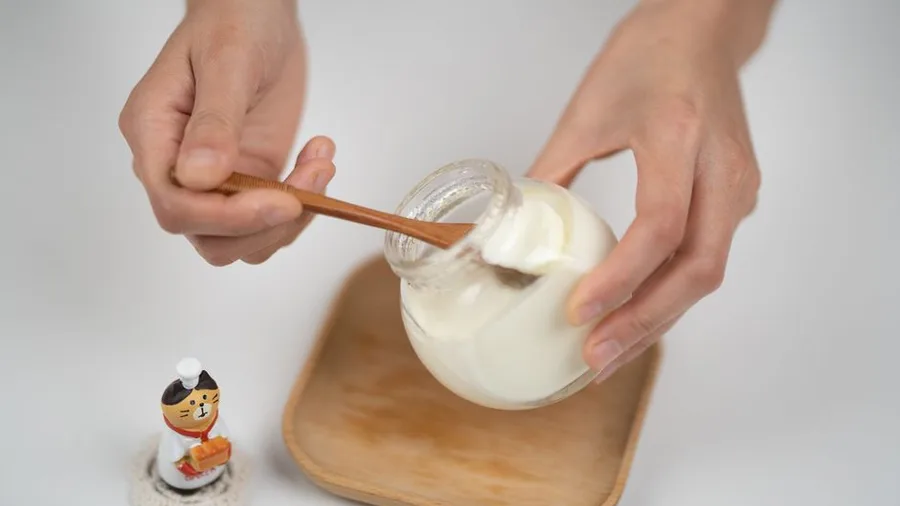
Your gut biome is the collection of trillions of microorganisms—bacteria, viruses, fungi, and other microbes—living in your digestive tract, primarily your large intestine. This ecosystem influences everything from digestion and nutrient absorption to immune function and even mental health. In 2026, the gut biome is recognized as a cornerstone of overall wellness, with research linking its composition to conditions like obesity, diabetes, and inflammatory bowel disease. This guide explains what your gut biome is, why it matters, and practical steps to nurture it—no brand recommendations, just science-based insights.
What Is the Gut Biome?
The gut biome, also known as the gut microbiota, refers to the complex community of microorganisms that reside in your gastrointestinal tract. These microbes include hundreds of species of bacteria, as well as viruses, fungi, and other single-celled organisms. Each person’s gut biome is unique, shaped by genetics, diet, environment, and lifestyle. The collective genetic material of these microbes—called the microbiome—contains over 3 million genes, which is 150 times more than the human genome, according to the National Institutes of Health’s Human Microbiome Project.
Your gut biome performs essential functions: it helps break down food, produces vitamins like B12 and K, trains your immune system to distinguish friend from foe, and protects against harmful pathogens. In 2026, scientists view the gut biome as a virtual organ, given its profound impact on health. When your gut biome is balanced, it supports optimal digestion and a robust immune response. When it’s disrupted—a state called dysbiosis—it can contribute to a range of health issues.
Why Your Gut Biome Matters for Overall Health
Your gut biome is not just about digestion; it’s central to your overall health. A healthy gut biome supports efficient nutrient absorption, synthesizes essential vitamins, and maintains the integrity of the intestinal lining, preventing harmful substances from entering your bloodstream. Moreover, the gut-brain axis—a bidirectional communication system between your gut and brain—means your gut biome can influence your mood, stress levels, and cognitive function. According to a 2025 review in Nature Reviews Gastroenterology & Hepatology, gut microbiome imbalances are linked to mental health conditions like anxiety and depression, though more research is needed to establish causation.
Your gut biome also plays a pivotal role in immune function. Approximately 70% of your immune system resides in your gut-associated lymphoid tissue (GALT), as reported by the World Health Organization’s 2024 report on nutrition and immunity. A diverse gut biome trains immune cells to respond appropriately to threats while tolerating harmless substances like food. This balance is crucial for preventing autoimmune diseases and allergies.
Who Should Care About Their Gut Biome?
Everyone has a gut biome, and its health affects people of all ages. However, certain groups should pay particular attention to their gut health. If you have digestive issues like bloating, gas, diarrhea, or constipation, your gut biome may be out of balance. People with chronic conditions such as irritable bowel syndrome (IBS), inflammatory bowel disease (IBD), or type 2 diabetes often have altered gut microbiomes. Additionally, if you’ve recently taken antibiotics, you may experience temporary gut microbiome disruption, as antibiotics kill both harmful and beneficial bacteria.
Athletes and fitness enthusiasts also benefit from a healthy gut biome, as it aids in nutrient absorption and reduces inflammation, potentially enhancing performance and recovery. Pregnant women and infants are another key group: a mother’s gut biome can influence her baby’s microbiome development, which is critical for early immune programming, according to a 2025 study in Cell Host & Microbe. Even if you consider yourself healthy, nurturing your gut biome is a proactive step toward long-term wellness.
How to Support a Healthy Gut Biome
Supporting your gut biome involves lifestyle choices that promote microbial diversity and balance. The most effective strategy is diet. A diet rich in fiber—found in fruits, vegetables, legumes, and whole grains—feeds beneficial gut bacteria. When these bacteria ferment fiber, they produce short-chain fatty acids (SCFAs) like butyrate, which fuel colon cells and reduce inflammation. The American Gut Project, a citizen-science initiative led by the University of California San Diego, found that people who consumed more than 30 different plant-based foods per week had more diverse gut microbiomes than those who ate fewer than 10.
Fermented foods are another key component. Foods like yogurt, kefir, sauerkraut, kimchi, and kombucha contain live beneficial bacteria that can colonize your gut and enhance diversity. A 2021 Stanford University study, published in Cell, demonstrated that a 10-week diet high in fermented foods increased microbiome diversity and decreased markers of inflammation. While this study is older, its findings remain widely cited in 2026.
Other lifestyle factors include managing stress, getting adequate sleep, and exercising regularly. Chronic stress and poor sleep can negatively alter your gut biome, while physical activity promotes microbial diversity. Additionally, avoid unnecessary antibiotics, as they can disrupt your gut ecosystem. If you must take them, consider a probiotic supplement under medical guidance.
The Gut Biome vs. Probiotics: What’s the Difference?
To clarify a common confusion, the gut biome and probiotics are related but distinct concepts. Your gut biome is the ecosystem of microorganisms living in your digestive tract, while probiotics are live beneficial bacteria or yeasts that you consume, often as supplements or in fermented foods, to support that ecosystem. Think of your gut biome as a garden and probiotics as seeds you plant to encourage beneficial growth. Prebiotics, on the other hand, are non-digestible fibers that feed the existing beneficial bacteria, acting as fertilizer. Here’s a quick comparison:
| Aspect | Gut Biome | Probiotics | Prebiotics |
|---|---|---|---|
| Definition | The collection of all microorganisms in your gut | Live beneficial microbes consumed for health | Non-digestible fibers that feed good bacteria |
| Role | Maintains digestion, immunity, and overall health | Adds beneficial microbes to the gut | Nourishes existing beneficial microbes |
| Sources | Naturally occurring in your body | Yogurt, kefir, supplements | Garlic, onions, bananas, oats |
| Impact | Determines gut health status | Can help restore balance after disruption | Supports long-term microbial diversity |
Signs Your Gut Biome May Be Out of Balance
An imbalanced gut biome, or dysbiosis, can manifest in various symptoms. Common signs include persistent digestive discomfort such as bloating, gas, abdominal pain, and irregular bowel movements. You might also experience food intolerances, fatigue, and skin issues like acne or eczema, which have been linked to gut health. Frequent infections or slow wound healing can indicate a weakened immune system, partly due to gut dysbiosis. Mental health symptoms like mood swings, anxiety, or brain fog may also signal gut-brain axis disruption.
If you notice these symptoms persistently, consult a healthcare professional. They may recommend a stool test to analyze your gut microbiome composition, though such tests are not yet standard practice. According to the American Gastroenterological Association’s 2025 clinical update, routine microbiome testing is not recommended for the general public due to lack of standardized interpretation, but it can be useful in specific clinical scenarios.
Common Myths About the Gut Biome
Several myths about the gut biome circulate online, and it’s important to separate fact from fiction. One common myth is that you need to “detox” your gut with cleanses or extreme diets. In reality, your body has its own detoxification systems—your liver and kidneys—and there is no scientific evidence that gut cleanses improve health. Another myth is that all bacteria are harmful. In fact, your gut biome is home to many beneficial bacteria that are essential for health.
Another misconception is that taking a probiotic supplement can completely fix an unhealthy gut. While probiotics can help, they are not a magic bullet; a balanced diet and healthy lifestyle are more impactful. Additionally, some believe that a gut biome is the same for everyone, but each person’s microbiome is as unique as a fingerprint, influenced by genetics, diet, and environment. Finally, the idea that “germ-free” living is best is false—over-sanitizing can reduce microbial diversity and weaken immunity, according to the “hygiene hypothesis” supported by the Centers for Disease Control and Prevention’s 2023 report on infection control.
The Future of Gut Biome Research
Gut biome research is rapidly evolving, with new discoveries emerging regularly. In 2026, scientists are exploring personalized nutrition based on individual microbiome profiles, aiming to tailor dietary recommendations to optimize gut health. Fecal microbiota transplantation (FMT) is being studied as a treatment for recurrent Clostridium difficile infections and potentially for other conditions like ulcerative colitis and metabolic syndrome. According to a 2025 trial published in The Lancet Gastroenterology & Hepatology, FMT showed promising results in restoring gut diversity in patients with metabolic syndrome, though larger studies are needed.
Another frontier is the development of microbiome-based diagnostics and therapeutics. Companies are developing live biotherapeutic products—engineered microbes designed to treat specific diseases. The National Center for Complementary and Integrative Health (NCCIH) is funding research on how diet modulates the gut microbiome to prevent chronic diseases. As research advances, our understanding of the gut biome’s role in health will only deepen, offering new opportunities for prevention and treatment.
Now That You Understand the Basics
Now that you understand the basics of the gut biome, you can take informed steps to support your health. Remember that a diverse gut biome is a marker of good health, and you can nurture it through a fiber-rich diet, fermented foods, stress management, and regular physical activity. Avoid unnecessary antibiotics and consult a healthcare provider if you suspect dysbiosis. For deeper insights, explore our guides on gut-friendly foods and the gut-brain connection.
Frequently Asked Questions
What is the gut biome?
The gut biome is the collection of trillions of microorganisms living in your digestive tract. It includes bacteria, viruses, fungi, and other microbes that play a crucial role in digestion, immunity, and overall health.
How does the gut biome affect mental health?
The gut biome communicates with the brain via the gut-brain axis, influencing mood, stress, and cognition. Imbalances have been linked to anxiety and depression, though more research is needed to fully understand this connection.
What foods are good for the gut biome?
Foods rich in fiber, such as fruits, vegetables, legumes, and whole grains, feed beneficial bacteria. Fermented foods like yogurt, kefir, and sauerkraut also introduce beneficial microbes.
Can I improve my gut biome quickly?
While some changes like adding fermented foods can have rapid effects, building a diverse gut biome takes time. Consistent dietary and lifestyle habits over weeks and months yield the best results.
Are probiotic supplements necessary for a healthy gut biome?
Not necessarily. A balanced diet rich in fiber and fermented foods can support gut health without supplements. Probiotics may be helpful after antibiotic use, but consult a healthcare provider first.
How do I know if my gut biome is unhealthy?
Signs include digestive discomfort, fatigue, skin issues, and frequent infections. If you experience persistent symptoms, see a healthcare professional for evaluation.
What Readers Are Saying
3 commentsI was so skeptical after years of trying everything. But 3 months in and I've lost 22 lbs. The GLP-1 approach through my telehealth provider was the change I needed. Wish I'd found this a year ago.
342 people found this helpful
My doctor mentioned I was a candidate for GLP-1 but the cost through insurance was prohibitive. Found a telehealth option for under $200/month which is a game-changer.
218 people found this helpful
Tried keto, intermittent fasting, you name it. The biological approach finally made things click. Down 18 lbs in 8 weeks and my energy is back.
156 people found this helpful
Based on this article
Why Diets Keep Failing You
Compounded Tirzepatide and Semaglutide deliver the same active ingredients as Ozempic and Mounjaro — through telehealth platforms for a fraction of the brand-name cost
Top pick: Gala · Starting at $179/mo — lowest price in the US
Related Solution Guides
Why Diets Keep Failing You — And the Prescription That Produces 15–22% Weight Loss Without $1,500/Month Ozempic
Compounded Tirzepatide and Semaglutide deliver the same active ingredients as Ozempic and Mounjaro — through telehealth platforms for a fraction of the brand-name cost
You've Tried to Quit Vaping. Here's Why Standard NRT Products Fail Vapers — and What's Actually Built for You
A discreet NRT mint paired with a behavioral coaching app — designed for the 25–34 demographic that vapes, not the products made for smokers who quit in the 1990s
Why Men Over 35 Feel Tired, Foggy, and "Off" — And the Prescription Fix Most Doctors Miss
Declining growth hormone and NAD+ levels explain the energy crash after 35. Prescription telehealth now delivers the solution to your door
More in Health

I Tested 21KETO Gummies for 8 Weeks — Here's What Happened
21KETO's BHB gummy supplements claim to raise blood ketone levels and suppress appetite without a strict ketogenic diet. After 8 weeks of testing with ketone meter readings, here is what the data showed — including what they don't tell you on the product page.

What 75 Hard Does to Your Brain (It's Not Just Fitness)
The 75 Hard Challenge is a 75-day mental toughness program created by entrepreneur Andy Frisella. Participants must follow five daily tasks:

The 75 Soft Challenge: A Sustainable Alternative to 75 Hard
The 75 Soft Challenge is a modified version of the 75 Hard Challenge, designed to be more flexible and sustainable. While exact rules vary,