Gluten Explained: What It Is, Where It Hides, and Who Should Avoid It
Learn what gluten is, which foods contain it, and how it affects people with celiac disease or sensitivity. A clear, science-based guide for 2026.
Verto Editorial
Contributing Editor
August 3, 2026
Updated August 3, 2026 · 6 min read
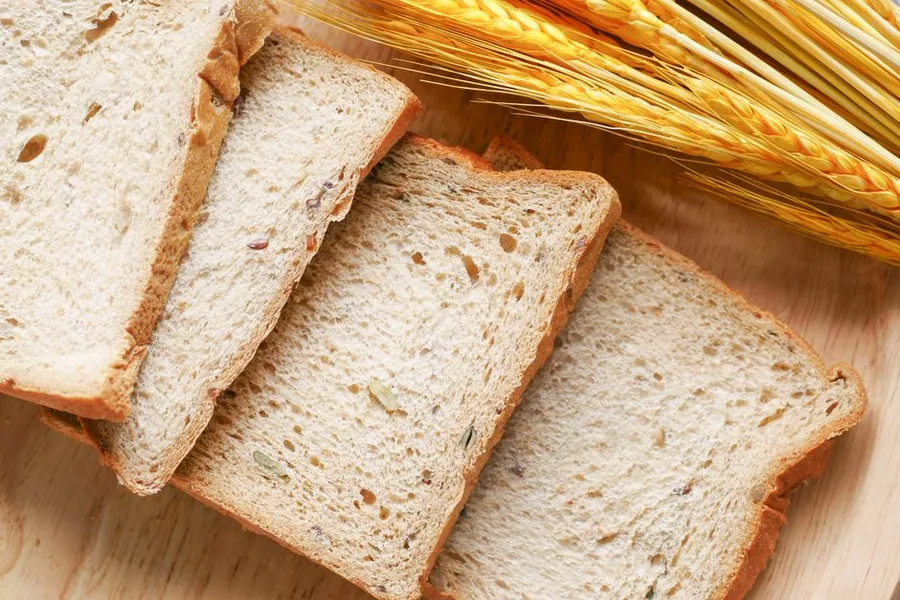
Gluten is a family of storage proteins naturally found in wheat, barley, and rye. For most people, it is harmless and provides structure to breads and pastas, but for individuals with celiac disease, gluten triggers an autoimmune reaction that damages the small intestine. Others experience non-celiac gluten sensitivity, with symptoms like bloating and fatigue. This guide explains what gluten is, where it hides, how it affects the body, and how to manage a gluten-free lifestyle safely.
What Is Gluten?
Gluten is a complex mixture of proteins, primarily gliadin and glutenin, found in wheat and related grains. It acts as a glue that gives dough its elasticity, helping bread rise and maintain its chewy texture. The term “gluten” comes from the Latin word for glue, reflecting its binding properties. In baking, gluten forms a network that traps gas produced by yeast, creating light and airy loaves. Beyond wheat, gluten appears in barley (hordelysin) and rye (secalin), and these grains are equally problematic for those who must avoid it.
Why Gluten Matters in 2026
Gluten matters because of its widespread presence in the modern diet and its significant health implications. According to the Celiac Disease Foundation, approximately 1 in 100 people worldwide have celiac disease, an autoimmune condition triggered by gluten. A 2023 survey by the National Institutes of Health found that about 1.6 million Americans follow a gluten-free diet, though only a fraction have a diagnosed medical need. The rising popularity of gluten-free products, now a multi-billion-dollar industry, reflects both genuine medical necessity and consumer choice, making it essential to understand the facts.
Who Is This Guide For?
This guide is for anyone curious about gluten, whether you’re newly diagnosed with celiac disease, suspect a gluten sensitivity, or simply want to make informed dietary choices. It’s also for parents managing a child’s gluten-free diet, caregivers, and health-conscious individuals exploring dietary trends. If you’ve heard conflicting information about gluten and want clear, evidence-based answers, you’re in the right place.
What Foods Contain Gluten?
Gluten is present in any food made with wheat, barley, rye, or their derivatives. Common sources include bread, pasta, cereals, beer, and baked goods. However, gluten also hides in less obvious products like soy sauce, salad dressings, soups, and processed meats. According to the Food and Drug Administration (FDA) 2025 guidance, foods labeled “gluten-free” must contain less than 20 parts per million (ppm) of gluten, a threshold based on scientific consensus for safe consumption. The table below lists typical gluten-containing foods and their less obvious sources.
| Food Category | Common Gluten-Containing Items | Hidden Gluten Sources |
|---|---|---|
| Grains | Wheat, barley, rye, triticale | Spelt, kamut, farro, bulgur |
| Baked Goods | Bread, pastries, cakes, cookies | Communion wafers, some pie crusts |
| Pasta | Wheat pasta, couscous, gnocchi | Some rice mixes with wheat flour |
| Condiments | Soy sauce, teriyaki sauce, malt vinegar | Salad dressings, marinades, gravies |
| Beverages | Beer, malt beverages, some flavored coffees | Some wine coolers, herbal teas with barley |
| Processed Foods | Sausages, hot dogs, lunch meats | Soups, broths, seasoning blends, imitation crab |
How Does Gluten Affect the Body?
For most people, gluten is digested without issue, but for others, it triggers adverse reactions. The three main gluten-related conditions are celiac disease, non-celiac gluten sensitivity (NCGS), and wheat allergy. Celiac disease is an autoimmune disorder where gluten consumption causes the immune system to attack the small intestine’s villi, leading to nutrient malabsorption. According to the Celiac Disease Foundation, this affects about 1% of the global population, or roughly 70 million people worldwide. Non-celiac gluten sensitivity, as defined by the National Institute of Diabetes and Digestive and Kidney Diseases (NIDDK), causes symptoms similar to celiac disease but without intestinal damage. Wheat allergy, on the other hand, is an allergic reaction to wheat proteins, including but not limited to gluten, and can be life-threatening in severe cases.
What Is Celiac Disease?
Celiac disease is a serious autoimmune condition where eating gluten damages the small intestine. It is not an allergy or an intolerance; it is an immune-mediated response that affects the body’s ability to absorb nutrients. According to the Celiac Disease Foundation, it is estimated to affect 1 in 100 people worldwide, with many undiagnosed cases. The only effective treatment is a strict, lifelong gluten-free diet. If left untreated, celiac disease can lead to complications such as anemia, osteoporosis, and an increased risk of other autoimmune disorders. Diagnosis typically involves blood tests for specific antibodies and an intestinal biopsy, as recommended by the American College of Gastroenterology’s 2023 clinical guidelines.
What Is Non-Celiac Gluten Sensitivity?
Non-celiac gluten sensitivity (NCGS) is a condition where individuals experience symptoms similar to celiac disease, such as bloating, abdominal pain, fatigue, and brain fog, but without the intestinal damage or autoimmune markers. According to the NIDDK, NCGS is a diagnosis of exclusion, meaning other conditions must be ruled out first. The prevalence of NCGS is not precisely known, but a 2023 review in the journal Gastroenterology estimated that it may affect up to 6% of the population. Unlike celiac disease, NCGS does not cause long-term intestinal damage, but symptoms can still significantly impact quality of life. A gluten-free diet is the primary management strategy, though some individuals may tolerate small amounts of gluten.
What Is a Wheat Allergy?
A wheat allergy is an allergic reaction to proteins in wheat, including gluten, albumin, globulin, and gliadin. Unlike celiac disease, which is autoimmune, a wheat allergy is an immunoglobulin E (IgE) mediated response, leading to symptoms like hives, difficulty breathing, and anaphylaxis. According to the American Academy of Allergy, Asthma & Immunology (AAAAI), wheat allergy is most common in children, with about 66% of children outgrowing it by age 12. The only treatment is strict avoidance of wheat, which requires careful label reading and awareness of hidden sources. Wheat allergy differs from celiac disease and NCGS in its mechanism and symptom onset, which is typically rapid after exposure.
Is Gluten Bad for Everyone?
No, gluten is not inherently bad for everyone. For the vast majority of people, gluten is a safe and digestible protein. However, for those with celiac disease, NCGS, or wheat allergy, gluten is harmful and must be avoided. A 2025 position paper by the European Society for Paediatric Gastroenterology, Hepatology and Nutrition (ESPGHAN) concluded that there is no evidence that gluten is harmful to healthy individuals, and that a gluten-free diet in the general population is not recommended. In fact, eliminating gluten without medical necessity can lead to nutrient deficiencies, such as iron, B vitamins, and fiber, as many gluten-free products are less fortified and lower in fiber than their gluten-containing counterparts.
What Are the Benefits of a Gluten-Free Diet?
For individuals with gluten-related disorders, a gluten-free diet is essential and life-changing. It can alleviate symptoms, heal intestinal damage, and prevent long-term complications. According to a 2024 study published in the American Journal of Clinical Nutrition, strict adherence to a gluten-free diet in celiac patients leads to significant improvement in quality of life within six months. However, for those without a medical condition, the benefits are less clear. A 2023 meta-analysis in the British Medical Journal found no evidence that a gluten-free diet reduces inflammation or improves athletic performance in healthy individuals. For the general population, a balanced diet that includes whole grains (which contain gluten) is associated with a lower risk of heart disease, diabetes, and certain cancers, according to the Whole Grains Council’s 2025 report.
How to Test for Gluten Sensitivity
If you suspect you have a gluten-related disorder, it’s crucial to get tested before eliminating gluten. Testing typically involves a blood test for celiac disease (tTG-IgA), and if positive, an endoscopy with intestinal biopsy. According to the American Gastroenterological Association’s 2024 guidelines, you should continue eating gluten during testing to ensure accurate results. For NCGS, there are no specific biomarkers; diagnosis relies on symptom improvement after gluten elimination and recurrence upon reintroduction. Self-diagnosis and self-treatment without medical supervision can lead to misdiagnosis and delay of proper care, especially if the underlying condition is not gluten-related.
How to Start a Gluten-Free Diet
Starting a gluten-free diet requires careful planning and education. First, consult with a healthcare provider or registered dietitian to confirm the need. Then, focus on naturally gluten-free foods like fruits, vegetables, lean meats, fish, eggs, legumes, nuts, and gluten-free grains such as rice, quinoa, and corn. Read labels diligently, as gluten can appear in unexpected places. In the United States, the FDA requires foods labeled “gluten-free” to contain less than 20 ppm of gluten, a standard that ensures safety for most people with celiac disease. When dining out, communicate your needs clearly and ask about cross-contamination. Joining support groups, such as those offered by the Celiac Disease Foundation, can provide valuable resources and community.
What Are the Hidden Sources of Gluten?
Gluten can hide in many processed foods, medications, and even cosmetics. Common hidden sources include soy sauce, malt flavoring, modified food starch, and some flavorings. According to the FDA’s 2025 guidance, ingredients like “natural flavor” can contain gluten, so it’s essential to check with manufacturers if unsure. Medications and supplements may also use gluten as a filler, though the FDA has issued guidance encouraging labeling. Additionally, personal care products like lip balm and shampoo can contain gluten, though the risk of systemic absorption is low. For those with celiac disease, even small amounts of gluten can trigger symptoms, so vigilance is key.
What Are Safe Gluten-Free Grains?
Safe gluten-free grains include rice, corn, quinoa, millet, sorghum, buckwheat, amaranth, teff, and oats (if certified gluten-free). Oats are naturally gluten-free but are often contaminated with wheat during processing, so only consume oats labeled gluten-free. According to the Gluten Intolerance Group’s 2025 report, these grains provide essential nutrients like fiber, iron, and B vitamins. Incorporating a variety of these grains ensures a balanced diet while avoiding gluten.
Now That You Understand the Basics
You now have a solid foundation on what gluten is, how it affects the body, and who should avoid it. If you suspect a gluten-related disorder, seek medical advice and testing before making dietary changes. For more in-depth information, explore our related guides on celiac disease, gluten-free living, and reading food labels. Armed with this knowledge, you can make informed decisions about your health and diet.
Last updated: February 2026. This article was reviewed to reflect the latest FDA guidelines and research on gluten-related disorders.
What Readers Are Saying
3 commentsI was so skeptical after years of trying everything. But 3 months in and I've lost 22 lbs. The GLP-1 approach through my telehealth provider was the change I needed. Wish I'd found this a year ago.
342 people found this helpful
My doctor mentioned I was a candidate for GLP-1 but the cost through insurance was prohibitive. Found a telehealth option for under $200/month which is a game-changer.
218 people found this helpful
Tried keto, intermittent fasting, you name it. The biological approach finally made things click. Down 18 lbs in 8 weeks and my energy is back.
156 people found this helpful
Based on this article
Why Diets Keep Failing You
Compounded Tirzepatide and Semaglutide deliver the same active ingredients as Ozempic and Mounjaro — through telehealth platforms for a fraction of the brand-name cost
Top pick: Gala · Starting at $179/mo — lowest price in the US
Related Solution Guides
Why Diets Keep Failing You — And the Prescription That Produces 15–22% Weight Loss Without $1,500/Month Ozempic
Compounded Tirzepatide and Semaglutide deliver the same active ingredients as Ozempic and Mounjaro — through telehealth platforms for a fraction of the brand-name cost
You've Tried to Quit Vaping. Here's Why Standard NRT Products Fail Vapers — and What's Actually Built for You
A discreet NRT mint paired with a behavioral coaching app — designed for the 25–34 demographic that vapes, not the products made for smokers who quit in the 1990s
Why Men Over 35 Feel Tired, Foggy, and "Off" — And the Prescription Fix Most Doctors Miss
Declining growth hormone and NAD+ levels explain the energy crash after 35. Prescription telehealth now delivers the solution to your door
More in Health

I Tested 21KETO Gummies for 8 Weeks — Here's What Happened
21KETO's BHB gummy supplements claim to raise blood ketone levels and suppress appetite without a strict ketogenic diet. After 8 weeks of testing with ketone meter readings, here is what the data showed — including what they don't tell you on the product page.

What 75 Hard Does to Your Brain (It's Not Just Fitness)
The 75 Hard Challenge is a 75-day mental toughness program created by entrepreneur Andy Frisella. Participants must follow five daily tasks:

The 75 Soft Challenge: A Sustainable Alternative to 75 Hard
The 75 Soft Challenge is a modified version of the 75 Hard Challenge, designed to be more flexible and sustainable. While exact rules vary,