Glucose Test Explained: Types, Accuracy, and What Results Mean
Learn what a glucose test measures, the different types available, and how to interpret your results. A plain-English guide for 2026.
Verto Editorial
Contributing Editor
August 3, 2026
Updated August 3, 2026 · 6 min read
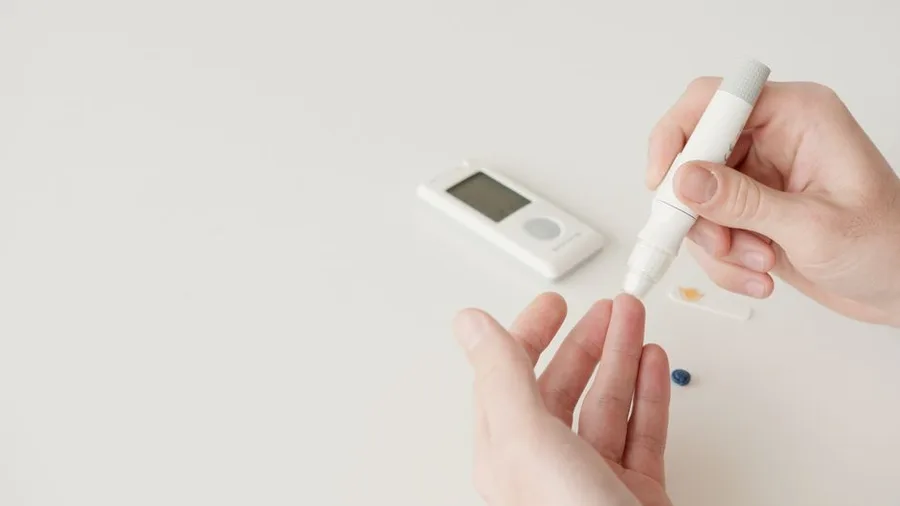
A glucose test measures the amount of sugar (glucose) in your blood. It is used to screen for, diagnose, and monitor diabetes and prediabetes, as well as to check for hypoglycemia (low blood sugar) and hyperglycemia (high blood sugar). This guide explains the main types of glucose tests, what your results mean, and how to prepare for them, so you can approach your next blood draw with confidence.
What Is a Glucose Test?
A glucose test is a blood test that measures the concentration of glucose, the body’s main source of energy, in your bloodstream. Your body gets glucose from the foods you eat, and the hormone insulin helps your cells absorb it. When this system is disrupted, blood sugar levels can become too high (hyperglycemia) or too low (hypoglycemia). Glucose tests are essential for diagnosing conditions like diabetes, prediabetes, and gestational diabetes, as well as for managing existing conditions.
Why Glucose Testing Matters
Glucose testing is critical because abnormal blood sugar levels often cause no symptoms in the early stages. According to the Centers for Disease Control and Prevention (CDC) 2024 report, 38.4 million Americans have diabetes, and 1 in 5 of them don’t know it. Early detection through glucose testing can prevent serious complications such as heart disease, kidney failure, and nerve damage. Regular testing helps you and your healthcare provider make informed decisions about diet, exercise, and medication.
Who Should Get a Glucose Test?
Glucose testing is recommended for adults over 45, according to the American Diabetes Association (ADA) 2025 Standards of Care. You should also consider testing if you are under 45 and have risk factors like being overweight, having a family history of diabetes, leading a sedentary lifestyle, or having high blood pressure. Pregnant individuals are typically screened for gestational diabetes between 24 and 28 weeks. If you experience symptoms like excessive thirst, frequent urination, blurred vision, or unexplained fatigue, talk to your doctor about getting tested.
What Are the Different Types of Glucose Tests?
There are several types of glucose tests, each with a specific purpose. The most common are:
| Test Type | What It Measures | How It’s Done | Typical Use |
|---|---|---|---|
| Fasting Blood Sugar (FBS) | Blood glucose after 8-12 hours without food | Blood draw | Screening for diabetes and prediabetes |
| Random Blood Sugar | Blood glucose at any time, regardless of food | Blood draw | Quick check for diabetes symptoms |
| Oral Glucose Tolerance Test (OGTT) | Blood glucose before and after drinking a sugary solution | Blood draws at intervals | Diagnosing diabetes, prediabetes, and gestational diabetes |
| Hemoglobin A1c (HbA1c) | Average blood sugar over the past 2-3 months | Blood draw | Monitoring long-term glucose control |
| Continuous Glucose Monitoring (CGM) | Glucose levels every few minutes | Sensor inserted under the skin | Managing diabetes in real time |
Each test provides different information, and your doctor will choose the most appropriate one based on your risk factors and symptoms.
How Does a Fasting Blood Sugar Test Work?
A fasting blood sugar test measures your blood glucose after an overnight fast of at least 8 hours. You cannot eat or drink anything except water during this time. A healthcare professional draws a small blood sample, usually from a vein in your arm, and sends it to a lab for analysis. Results are typically available within a day. This test is often the first step in screening for diabetes.
How Does an Oral Glucose Tolerance Test Work?
An oral glucose tolerance test (OGTT) is a more comprehensive test that assesses how your body processes sugar. You first have your fasting blood glucose measured, then you drink a solution containing 75 grams of glucose. Your blood is drawn again at 1-hour and 2-hour intervals. The OGTT is the standard test for diagnosing gestational diabetes and is also used to diagnose type 2 diabetes and prediabetes. According to the World Health Organization (WHO) 2023 guidelines, a 2-hour glucose level of 200 mg/dL or higher indicates diabetes.
What Is the Hemoglobin A1c Test?
The hemoglobin A1c (HbA1c) test measures the percentage of your red blood cells that have glucose attached to them. This gives an average of your blood sugar levels over the past 2 to 3 months. The A1c test does not require fasting and can be done at any time. According to the National Institutes of Health (NIH) 2024 report, an A1c level of 6.5% or higher indicates diabetes, while 5.7% to 6.4% indicates prediabetes. This test is essential for monitoring long-term glucose control in people with diabetes.
What Do Glucose Test Results Mean?
Glucose test results are reported in milligrams per deciliter (mg/dL) in the United States. Here are the standard ranges for fasting blood sugar and A1c, based on the American Diabetes Association (ADA) 2025 guidelines:
| Condition | Fasting Blood Sugar (mg/dL) | A1c (%) |
|---|---|---|
| Normal | Less than 100 | Less than 5.7% |
| Prediabetes | 100 to 125 | 5.7% to 6.4% |
| Diabetes | 126 or higher | 6.5% or higher |
For the OGTT, a 2-hour blood sugar level of less than 140 mg/dL is normal, 140 to 199 mg/dL indicates prediabetes, and 200 mg/dL or higher indicates diabetes. If your results fall in the prediabetes range, lifestyle changes like losing weight and increasing physical activity can significantly reduce your risk of developing diabetes, according to the CDC 2024 National Diabetes Statistics Report.
How Should You Prepare for a Glucose Test?
Preparation depends on the type of test. For a fasting blood sugar test or OGTT, you must fast for 8 to 12 hours before the test, drinking only water. For a random blood sugar or A1c test, no fasting is required. Always inform your doctor about any medications you are taking, as some can affect blood sugar levels. Also, avoid alcohol and strenuous exercise for 24 hours before the test, as these can skew results.
What Factors Can Affect Glucose Test Accuracy?
Several factors can influence the accuracy of your glucose test. These include:
- Fasting status: Eating or drinking anything other than water before a fasting test can raise glucose levels.
- Medications: Certain drugs, such as corticosteroids and diuretics, can raise blood sugar.
- Illness: Acute illness or stress can cause temporary spikes in blood sugar.
- Time of day: Blood sugar levels naturally fluctuate, so consistent timing is important for monitoring.
- Lab errors: Though rare, sample handling or analyzer errors can occur.
If your results seem inconsistent with your symptoms or previous tests, your doctor may repeat the test.
How Often Should You Get a Glucose Test?
For healthy adults with no risk factors, the ADA 2025 recommends screening every 3 years starting at age 45. If you have prediabetes, you should be tested every 1 to 2 years. People with diabetes may need to test multiple times a day using a home glucose meter or continuous glucose monitor, depending on their treatment plan. Your healthcare provider will give you a personalized schedule based on your health status.
What Are the Risks of Glucose Testing?
Glucose testing is a routine, low-risk procedure. The most common side effects are minor pain, bruising, or bleeding at the needle site. Some people may feel lightheaded or dizzy during or after the blood draw. For the OGTT, the sugary drink can cause nausea, headache, or fatigue. Serious complications are extremely rare. If you have a bleeding disorder or are taking blood thinners, inform your healthcare provider before the test.
Glucose Test vs. Other Blood Tests: What’s the Difference?
A glucose test specifically measures blood sugar, while other blood tests like a lipid panel measure cholesterol and triglycerides. A complete blood count (CBC) evaluates red and white blood cells, and a metabolic panel includes glucose along with electrolytes and kidney function markers. The key difference is that a glucose test is the primary tool for diagnosing and managing diabetes, whereas other tests assess different aspects of your health.
The Evolution of Glucose Testing: A Brief History
Glucose testing has evolved significantly over the past century. The first urine glucose test was developed in the early 1900s, but urine tests are not accurate for diagnosing diabetes because they only detect glucose when blood sugar is very high. In the 1960s, the first blood glucose test strips were introduced, allowing for quicker results. The development of the hemoglobin A1c test in the 1970s revolutionized diabetes management by providing a long-term average. Today, continuous glucose monitors (CGMs) provide real-time data, and according to a 2026 report from the International Diabetes Federation (IDF), CGM use has increased by 40% among type 1 diabetes patients in the last five years.
How to Understand Your Glucose Test Results in Context
Your glucose test results should always be interpreted in the context of your overall health. A single abnormal result does not necessarily mean you have diabetes; your doctor may order a second test to confirm. Factors like age, pregnancy, and other medical conditions can influence what is considered “normal” for you. For example, the target glucose range for a pregnant woman with gestational diabetes is stricter than for a non-pregnant adult, according to the American College of Obstetricians and Gynecologists (ACOG) 2024 practice bulletin. Always discuss your results with your healthcare provider to understand what they mean for your specific situation.
What Are the Latest Advances in Glucose Testing?
In 2026, glucose testing is more convenient and accurate than ever. Continuous glucose monitors (CGMs) are now available without a prescription, and a 2026 study published in the Journal of the American Medical Association (JAMA) found that over-the-counter CGMs are as accurate as traditional fingerstick tests for measuring glucose levels. Additionally, non-invasive glucose monitors that use sensors on the skin are in clinical trials, according to the National Institutes of Health (NIH) 2025 report. These technologies promise to make glucose monitoring easier for millions of people.
Now That You Understand the Basics
You now have a solid understanding of what a glucose test is, the different types available, and what your results mean. The next step is to talk to your healthcare provider about whether you need testing and which type is right for you. If you’re looking for more detailed information on related topics, check out our guides on prediabetes management and continuous glucose monitors.
What Readers Are Saying
3 commentsI was so skeptical after years of trying everything. But 3 months in and I've lost 22 lbs. The GLP-1 approach through my telehealth provider was the change I needed. Wish I'd found this a year ago.
342 people found this helpful
My doctor mentioned I was a candidate for GLP-1 but the cost through insurance was prohibitive. Found a telehealth option for under $200/month which is a game-changer.
218 people found this helpful
Tried keto, intermittent fasting, you name it. The biological approach finally made things click. Down 18 lbs in 8 weeks and my energy is back.
156 people found this helpful
Based on this article
Why Diets Keep Failing You
Compounded Tirzepatide and Semaglutide deliver the same active ingredients as Ozempic and Mounjaro — through telehealth platforms for a fraction of the brand-name cost
Top pick: Gala · Starting at $179/mo — lowest price in the US
Related Solution Guides
Why Diets Keep Failing You — And the Prescription That Produces 15–22% Weight Loss Without $1,500/Month Ozempic
Compounded Tirzepatide and Semaglutide deliver the same active ingredients as Ozempic and Mounjaro — through telehealth platforms for a fraction of the brand-name cost
You've Tried to Quit Vaping. Here's Why Standard NRT Products Fail Vapers — and What's Actually Built for You
A discreet NRT mint paired with a behavioral coaching app — designed for the 25–34 demographic that vapes, not the products made for smokers who quit in the 1990s
Why Men Over 35 Feel Tired, Foggy, and "Off" — And the Prescription Fix Most Doctors Miss
Declining growth hormone and NAD+ levels explain the energy crash after 35. Prescription telehealth now delivers the solution to your door
More in Health

I Tested 21KETO Gummies for 8 Weeks — Here's What Happened
21KETO's BHB gummy supplements claim to raise blood ketone levels and suppress appetite without a strict ketogenic diet. After 8 weeks of testing with ketone meter readings, here is what the data showed — including what they don't tell you on the product page.

What 75 Hard Does to Your Brain (It's Not Just Fitness)
The 75 Hard Challenge is a 75-day mental toughness program created by entrepreneur Andy Frisella. Participants must follow five daily tasks:

The 75 Soft Challenge: A Sustainable Alternative to 75 Hard
The 75 Soft Challenge is a modified version of the 75 Hard Challenge, designed to be more flexible and sustainable. While exact rules vary,