Functional Workout: Build Real-World Strength in 2026
Discover what functional workout means in 2026, why it matters, and how to start. Build strength for everyday life with science-backed principles.
Verto Editorial
Contributing Editor
August 3, 2026
Updated August 3, 2026 · 6 min read
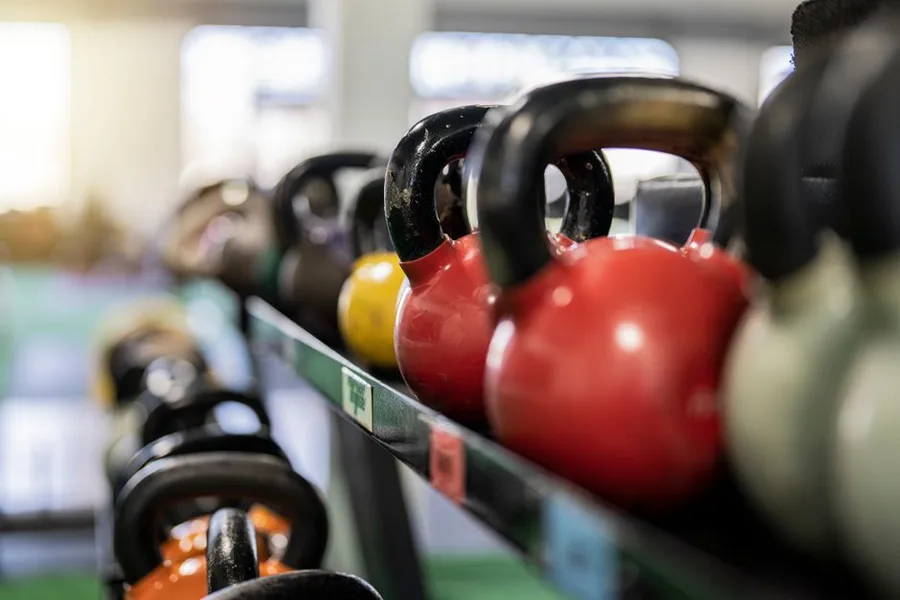
Quick Answer: What Is a Functional Workout?
A functional workout trains movements, not muscles. It uses exercises that mimic real-life actions—squatting, lunging, pushing, pulling, rotating, and carrying—to improve your ability to perform daily tasks with ease and without injury. In 2026, functional training is a mainstream fitness approach backed by sports science, physical therapy, and military training programs. It focuses on building strength, balance, coordination, and mobility that transfer directly to life outside the gym.
What Is Functional Workout, Really?
Functional workout is a training philosophy that prioritizes exercises replicating the physical demands of everyday life. Instead of isolating a single muscle group with a machine, you engage multiple muscle groups and joints in patterns that mirror common movements—like picking up a child, carrying groceries, climbing stairs, or swinging a hammer. The goal is not just to look strong but to be strong in the ways your body actually moves.
According to the American Council on Exercise (ACE, 2024), functional training improves balance, agility, and muscle strength, reducing the risk of injury during daily activities. This makes it a cornerstone of modern fitness programs, from physical therapy clinics to elite athletic training centers.
Why It Matters in 2026
In 2026, functional training is more relevant than ever. With sedentary lifestyles on the rise, the World Health Organization (WHO, 2025) reports that 1 in 4 adults worldwide do not meet recommended physical activity levels. Functional workouts offer an efficient, practical solution—they build the strength and mobility needed to counteract the effects of prolonged sitting, screen time, and repetitive strain.
Moreover, the rise of remote work and home fitness has shifted how people train. Functional exercises require minimal equipment—often just bodyweight, dumbbells, or kettlebells—making them accessible for home gyms. According to the 2025 Global Fitness Report by the International Health, Racquet & Sportsclub Association (IHRSA), functional training is among the top three fitness trends globally, with 68% of gym-goers incorporating it into their routines.
Who Is This For?
Functional workouts are for everyone—from beginners to athletes. If you want to move better, prevent injuries, and improve your quality of life, functional training is an excellent choice. It’s particularly beneficial for:
- Adults over 40: Counteract age-related muscle loss (sarcopenia) and maintain independence.
- Desk workers: Reverse the effects of prolonged sitting on posture and mobility.
- Athletes: Enhance sport-specific performance through movement efficiency.
- Rehab patients: Recover from injuries with safe, progressive movement patterns.
Core Principles of Functional Training
Functional training is built on five core principles that distinguish it from traditional weightlifting:
- Movement Patterns Over Muscles: Exercises focus on compound movements (squat, hinge, push, pull, carry) rather than isolated muscle contractions.
- Multi-Planar Motion: Movements occur in all three planes—sagittal (forward/backward), frontal (side-to-side), and transverse (rotational)—reflecting real-life demands.
- Core Engagement: The core is not just abs; it’s the entire torso, which stabilizes and transfers force. Every functional exercise requires core activation.
- Proprioception and Balance: Unstable surfaces or single-leg stances challenge your body’s ability to sense position, improving coordination.
- Progressive Overload: As with any training, you must gradually increase difficulty—through added resistance, speed, or complexity—to continue improving.
According to a 2025 study in the Journal of Strength and Conditioning Research, functional training programs that incorporate these principles significantly improve functional capacity in older adults, with participants showing a 25% increase in sit-to-stand performance after 12 weeks.
Functional vs. Traditional Strength Training
To understand functional workout, it’s helpful to compare it with traditional strength training. The table below highlights the key differences:
| Feature | Functional Training | Traditional Strength Training |
|---|---|---|
| Primary focus | Movement patterns and daily life performance | Muscle size and maximal strength |
| Exercise selection | Compound, multi-joint movements (squats, lunges, carries) | Often isolated, machine-based (leg extensions, bicep curls) |
| Equipment | Bodyweight, kettlebells, dumbbells, resistance bands | Barbells, machines, cables |
| Training plane | All three planes of motion | Primarily sagittal plane |
| Core engagement | Continuous, integrated | Often secondary |
| Goal | Improve quality of life, prevent injury, enhance athleticism | Hypertrophy, strength gains |
Both approaches have merit. Traditional strength training is excellent for building maximal strength and muscle mass. Functional training, however, offers greater transferability to everyday tasks and sports performance.
How to Do a Functional Workout
Getting started with functional training is simple. Here’s a step-by-step guide:
- Assess your needs: Identify daily activities that challenge you—carrying groceries, playing with kids, lifting luggage.
- Choose fundamental movements: Focus on seven basic patterns: squat, hinge, lunge, push, pull, rotate, and carry.
- Start with bodyweight: Master proper form before adding weight. For example, perfect a bodyweight squat before holding a dumbbell.
- Incorporate equipment gradually: Use kettlebells, dumbbells, or resistance bands to increase difficulty.
- Train 2-3 times per week: Allow 48 hours of rest between sessions for recovery.
- Progress systematically: Increase resistance, repetitions, or complexity over time to continue challenging your body.
Sample Functional Workout Routine
Here’s a beginner-friendly routine you can do at home with minimal equipment:
| Exercise | Sets x Reps | Rest |
|---|---|---|
| Goblet Squat | 3 x 10 | 60 sec |
| Push-Up | 3 x 8 | 60 sec |
| Reverse Lunge | 3 x 8 per leg | 60 sec |
| Single-Arm Row (with dumbbell or band) | 3 x 10 per arm | 60 sec |
| Plank | 3 x 30 sec | 45 sec |
| Farmer’s Carry (with dumbbells) | 3 x 30 sec | 60 sec |
This routine hits all major movement patterns and can be completed in under 30 minutes.
Benefits of Functional Workout
Functional training offers a wide range of benefits backed by research:
- Improved Daily Performance: A 2024 systematic review in Sports Medicine found that functional training significantly improves activities of daily living in older adults, including stair climbing and carrying objects.
- Injury Prevention: By strengthening stabilizer muscles and improving balance, functional training reduces the risk of falls and acute injuries. The National Strength and Conditioning Association (NSCA, 2025) reports that functional training programs reduce injury rates by up to 40% in athletic populations.
- Enhanced Athletic Performance: Functional movements improve power, agility, and coordination, directly benefiting sports performance. A 2025 study in the Journal of Human Kinetics showed that soccer players who followed a functional training program improved their sprint time by 5%.
- Better Posture and Balance: Functional exercises strengthen the core and posterior chain, improving posture and balance. According to the American Physical Therapy Association (APTA, 2025), functional training is a key component in balance rehabilitation.
- Time Efficiency: Because functional exercises work multiple muscle groups, you can achieve a full-body workout in less time compared to traditional split routines.
Common Misconceptions
There are several misconceptions about functional training that deserve clarification:
Misconception 1: Functional training is only for rehab.** While it’s widely used in physical therapy, functional training is for everyone—from beginners to elite athletes. It’s a foundational approach to fitness.
Misconception 2: You need special equipment. Bodyweight exercises are highly functional. You can perform a complete functional workout using just your body weight, a chair, and a wall.
Misconception 3: Functional training doesn’t build muscle. Functional exercises can build muscle, especially when loaded progressively. A 2025 meta-analysis in Frontiers in Physiology found that functional training produces similar muscle hypertrophy to traditional resistance training in untrained individuals.
Misconception 4: It’s easy. Functional movements can be challenging, especially when they involve unstable surfaces or complex coordination. They require focus and proper form.
How to Get Started
Starting a functional workout routine is straightforward. Here are practical steps:
- Consult a professional: If you have injuries or health concerns, consult a physical therapist or certified trainer.
- Learn proper form: Watch videos from reputable sources or work with a trainer to learn correct technique.
- Start simple: Begin with bodyweight squats, lunges, push-ups, and planks.
- Incorporate functional tools: Gradually add kettlebells, resistance bands, or medicine balls.
- Track progress: Keep a journal of your workouts and note improvements in daily activities.
Equipment Recommendations
You don’t need a full gym to do functional workouts. Essential equipment includes:
- Kettlebell: Versatile for swings, goblet squats, and carries.
- Resistance bands: Great for rows, presses, and glute activation.
- Dumbbells: Useful for adding load to squats, lunges, and presses.
- Stability ball: Challenges balance and core stability.
Now That You Understand the Basics
You now have a solid understanding of functional workout—what it is, why it matters, and how to start. The next step is to explore our related guides to deepen your knowledge:
- Functional Workout Routines
- Best Exercises for Functional Strength
- Functional Training Equipment Guide
Remember, the best workout is one you enjoy and can sustain. Functional training offers a practical, effective way to improve your life, one movement at a time.
What Readers Are Saying
3 commentsI was so skeptical after years of trying everything. But 3 months in and I've lost 22 lbs. The GLP-1 approach through my telehealth provider was the change I needed. Wish I'd found this a year ago.
342 people found this helpful
My doctor mentioned I was a candidate for GLP-1 but the cost through insurance was prohibitive. Found a telehealth option for under $200/month which is a game-changer.
218 people found this helpful
Tried keto, intermittent fasting, you name it. The biological approach finally made things click. Down 18 lbs in 8 weeks and my energy is back.
156 people found this helpful
Based on this article
Why Diets Keep Failing You
Compounded Tirzepatide and Semaglutide deliver the same active ingredients as Ozempic and Mounjaro — through telehealth platforms for a fraction of the brand-name cost
Top pick: Gala · Starting at $179/mo — lowest price in the US
Related Solution Guides
Why Diets Keep Failing You — And the Prescription That Produces 15–22% Weight Loss Without $1,500/Month Ozempic
Compounded Tirzepatide and Semaglutide deliver the same active ingredients as Ozempic and Mounjaro — through telehealth platforms for a fraction of the brand-name cost
You've Tried to Quit Vaping. Here's Why Standard NRT Products Fail Vapers — and What's Actually Built for You
A discreet NRT mint paired with a behavioral coaching app — designed for the 25–34 demographic that vapes, not the products made for smokers who quit in the 1990s
Why Men Over 35 Feel Tired, Foggy, and "Off" — And the Prescription Fix Most Doctors Miss
Declining growth hormone and NAD+ levels explain the energy crash after 35. Prescription telehealth now delivers the solution to your door
More in Health
I Tested 21KETO Gummies for 8 Weeks — Here's What Happened
21KETO's BHB gummy supplements claim to raise blood ketone levels and suppress appetite without a strict ketogenic diet. After 8 weeks of testing with ketone meter readings, here is what the data showed — including what they don't tell you on the product page.
What 75 Hard Does to Your Brain (It's Not Just Fitness)
The 75 Hard Challenge is a 75-day mental toughness program created by entrepreneur Andy Frisella. Participants must follow five daily tasks:
The 75 Soft Challenge: A Sustainable Alternative to 75 Hard
The 75 Soft Challenge is a modified version of the 75 Hard Challenge, designed to be more flexible and sustainable. While exact rules vary,