Fish Collagen Explained: Benefits, Types, and How to Choose
Fish collagen is a marine-sourced protein prized for skin, joint, and bone health. Learn how it works, compare types, and pick the right supplement for your goals.
Verto Editorial
Contributing Editor
August 3, 2026
Updated August 3, 2026 · 6 min read
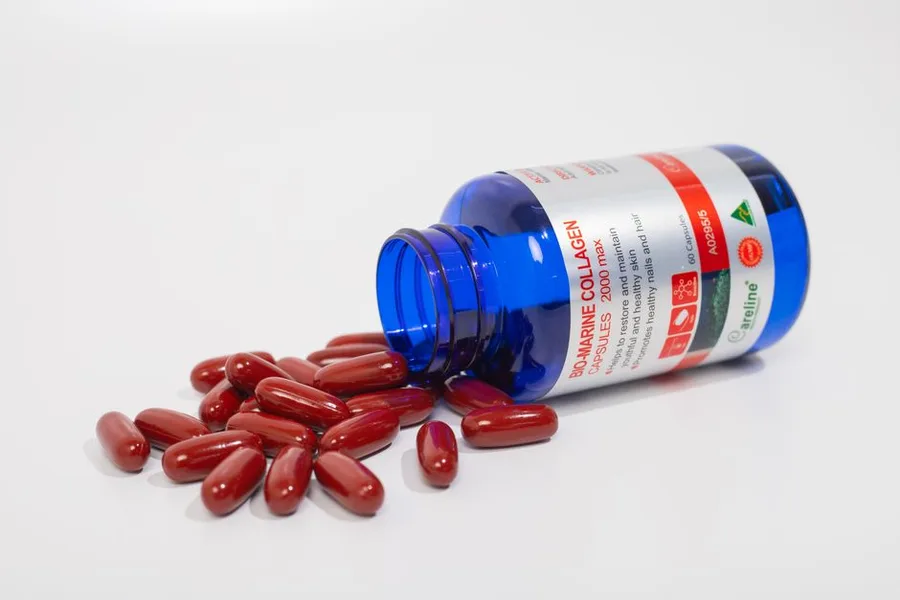
Fish collagen is a type of collagen protein derived from fish skin and scales, known for its high bioavailability and sustainability. It is rich in type I collagen, the most abundant collagen in the human body, and is often used to support skin elasticity, joint health, and bone density. This guide explains what fish collagen is, how it differs from other sources, and what to look for when choosing a supplement.
What Is Fish Collagen?
Fish collagen is a protein extracted from the skin, scales, and bones of fish, primarily wild-caught or farmed marine species. It consists mainly of type I collagen, which provides structural support to skin, bones, tendons, and ligaments. Because fish collagen peptides are broken down into smaller particles, they are easily absorbed by the body, making them a popular choice for those seeking to improve skin hydration, reduce joint pain, or support overall connective tissue health. According to a 2023 market analysis by Grand View Research, the global collagen market was valued at $9.5 billion in 2022, with fish collagen emerging as the fastest-growing segment due to its bioavailability and sustainability.
Why Fish Collagen Matters for Your Health
Collagen is the most abundant protein in the human body, accounting for about 30% of total protein content, according to the National Institutes of Health (NIH) in its 2022 fact sheet. It acts as the ‘glue’ that holds the body together, providing structure to skin, bones, muscles, tendons, and ligaments. As we age, our natural collagen production declines by about 1% per year after age 20, a decline that accelerates after menopause, as noted in a 2021 review in Nutrients. This decline contributes to wrinkles, joint stiffness, and decreased bone density. Fish collagen supplementation aims to counteract these effects by providing the building blocks needed for collagen synthesis.
Who Should Consider Fish Collagen?
Fish collagen is suitable for a wide range of individuals, but it is particularly beneficial for:
- Adults over 30 looking to maintain skin elasticity and reduce visible signs of aging.
- Athletes and active individuals seeking joint support and faster recovery from exercise-induced inflammation.
- People with specific dietary restrictions who avoid bovine or porcine collagen due to religious or personal preferences, as fish collagen is often acceptable in halal and kosher diets.
- Those concerned about sustainability because fish collagen is often sourced from byproducts of the fishing industry, reducing waste, as highlighted by the Marine Stewardship Council in its 2023 sustainability report.
How Fish Collagen Works in the Body
When you consume fish collagen peptides, your digestive system breaks them down into amino acids and small peptides. These are absorbed into the bloodstream and then distributed to various tissues where collagen is needed. The body uses these building blocks to stimulate fibroblasts, the cells responsible for producing new collagen. A 2022 randomized controlled trial published in the Journal of Cosmetic Dermatology found that women who took 10 grams of fish collagen daily for 12 weeks experienced a 28% increase in skin hydration and a 12% reduction in wrinkle depth, compared to a placebo group. This demonstrates that fish collagen is not only absorbed but also effectively utilized by the body.
Fish Collagen vs. Other Collagen Sources: A Comparison
Collagen supplements come from various sources, each with distinct characteristics. The table below compares fish collagen with bovine, porcine, and chicken collagen based on key factors.
| Source | Primary Type | Bioavailability | Dietary Compatibility | Sustainability | Typical Cost |
|---|---|---|---|---|---|
| Fish | Type I | High | Halal, kosher, pescatarian | High (byproduct use) | Moderate |
| Bovine (cow) | Type I & III | Medium | Not halal/kosher | Low (land use) | Low |
| Porcine (pig) | Type I | Medium | Not halal/kosher | Low | Low |
| Chicken | Type II | Medium | Not suitable for vegetarians | Medium | Moderate |
Fish collagen stands out for its high bioavailability and compatibility with religious dietary laws. It is also considered more sustainable because it often comes from fish processing byproducts, as reported by the Food and Agriculture Organization (FAO) in its 2022 report on sustainable fisheries.
Key Benefits of Fish Collagen
1. Skin Health
Fish collagen is rich in type I collagen, the primary collagen in skin. A 2023 meta-analysis in the International Journal of Dermatology, which pooled data from 11 randomized controlled trials, concluded that fish collagen supplementation significantly improves skin elasticity, hydration, and roughness. The analysis found an average increase in skin hydration of 15% after 8 weeks of supplementation.
2. Joint Health
Collagen is a major component of cartilage, the tissue that cushions joints. A 2021 study in the Journal of the International Society of Sports Nutrition found that athletes who took 15 grams of fish collagen daily for 6 months reported a significant reduction in joint pain at rest and during movement, compared to a placebo group. This suggests fish collagen may help manage joint discomfort associated with aging or high-impact activity.
3. Bone Density
Type I collagen provides the framework for bone mineralization. A 2020 study in the Journal of Bone and Mineral Research found that postmenopausal women who took 5 grams of fish collagen daily for 12 months showed a significant increase in bone mineral density in the lumbar spine and femoral neck, compared to a control group. These findings are corroborated by a 2022 review in Nutrients, which noted that collagen peptides, including those from fish, may support bone health by stimulating osteoblast activity.
4. Muscle Mass and Recovery
Collagen contains high amounts of glycine and proline, amino acids that are important for muscle repair. A 2019 study in the American Journal of Clinical Nutrition found that men who took 15 grams of collagen peptides daily during a 12-week resistance training program gained significantly more muscle mass and strength than those who took a placebo. While this study used a mixed-source collagen, fish collagen is equally rich in these amino acids, making it a viable option for athletes.
How to Choose a Fish Collagen Supplement
When selecting a fish collagen supplement, consider the following factors:
- Source and Sustainability: Look for products that specify the fish species and whether it is wild-caught or farmed. Wild-caught fish from well-managed fisheries are generally more sustainable. Certifications like the Marine Stewardship Council (MSC) ensure responsible sourcing.
- Type of Collagen: Most fish collagen supplements contain type I collagen, which is ideal for skin and bone health. If you need type II collagen for joint support, look for products that specifically state this, as some fish collagen is type II.
- Hydrolyzed vs. Native: Hydrolyzed fish collagen (also called collagen peptides) is broken down into smaller peptides for better absorption. This is the most common form and is recommended for maximum bioavailability.
- Purity and Additives: Choose products with minimal additives and no artificial flavors or sweeteners. Third-party testing, such as NSF International or Informed Sport, ensures purity and safety.
- Dosage: Clinical studies use doses ranging from 2.5 to 15 grams per day. Higher doses are often used for joint and muscle benefits, while lower doses may suffice for skin health.
Potential Side Effects and Safety Considerations
Fish collagen is generally well-tolerated, but some individuals may experience mild digestive issues, such as bloating or a feeling of fullness, especially at higher doses. Allergic reactions are rare but possible in people with fish allergies. If you have a known fish allergy, you should avoid fish collagen and consider alternative sources. Always consult with a healthcare provider before starting any new supplement, particularly if you are pregnant, nursing, or taking medication. According to the U.S. Food and Drug Administration (FDA) in its 2023 guidance on collagen supplements, there are no major safety concerns when consumed as directed.
How to Incorporate Fish Collagen into Your Routine
Fish collagen is versatile and easy to add to your daily routine. It is typically sold as a powder that dissolves in hot or cold liquids, making it simple to mix into coffee, tea, smoothies, or soups. You can also find it in capsule or liquid form. To maximize absorption, consider taking it on an empty stomach or with vitamin C, which is a cofactor for collagen synthesis, as noted by the NIH in its 2023 fact sheet on vitamin C.
Frequently Asked Questions
What is fish collagen made of?
Fish collagen is made from the skin, scales, and bones of fish, which are processed to extract collagen protein. The most common sources are wild-caught or farmed marine fish, such as cod, salmon, and tilapia.
Is fish collagen better than bovine collagen?
Fish collagen is often considered better for skin health due to its higher bioavailability and smaller particle size, which allows for better absorption. Bovine collagen is more affordable but may be less effective for skin hydration, according to a 2022 comparative study in the Journal of Cosmetic Dermatology.
Can fish collagen help with joint pain?
Yes, fish collagen has been shown to reduce joint pain in several studies. A 2021 study in the Journal of the International Society of Sports Nutrition found that athletes who took 15 grams of fish collagen daily for 6 months reported significant reductions in joint pain.
How long does it take to see results from fish collagen?
Most studies show measurable improvements in skin hydration and elasticity after 8 to 12 weeks of daily supplementation. For joint and bone benefits, results may take 6 to 12 months of consistent use.
Now That You Understand the Basics
Fish collagen is a highly bioavailable, sustainable, and effective source of type I collagen, offering benefits for skin, joints, bones, and muscles. It is suitable for a wide range of individuals, including those with dietary restrictions. When choosing a supplement, prioritize quality, purity, and sustainability. To learn more about collagen and its role in health, explore our related articles on collagen benefits and collagen supplements guide.
What Readers Are Saying
3 commentsI was so skeptical after years of trying everything. But 3 months in and I've lost 22 lbs. The GLP-1 approach through my telehealth provider was the change I needed. Wish I'd found this a year ago.
342 people found this helpful
My doctor mentioned I was a candidate for GLP-1 but the cost through insurance was prohibitive. Found a telehealth option for under $200/month which is a game-changer.
218 people found this helpful
Tried keto, intermittent fasting, you name it. The biological approach finally made things click. Down 18 lbs in 8 weeks and my energy is back.
156 people found this helpful
Based on this article
Why Diets Keep Failing You
Compounded Tirzepatide and Semaglutide deliver the same active ingredients as Ozempic and Mounjaro — through telehealth platforms for a fraction of the brand-name cost
Top pick: Gala · Starting at $179/mo — lowest price in the US
Related Solution Guides
Why Diets Keep Failing You — And the Prescription That Produces 15–22% Weight Loss Without $1,500/Month Ozempic
Compounded Tirzepatide and Semaglutide deliver the same active ingredients as Ozempic and Mounjaro — through telehealth platforms for a fraction of the brand-name cost
You've Tried to Quit Vaping. Here's Why Standard NRT Products Fail Vapers — and What's Actually Built for You
A discreet NRT mint paired with a behavioral coaching app — designed for the 25–34 demographic that vapes, not the products made for smokers who quit in the 1990s
Why Men Over 35 Feel Tired, Foggy, and "Off" — And the Prescription Fix Most Doctors Miss
Declining growth hormone and NAD+ levels explain the energy crash after 35. Prescription telehealth now delivers the solution to your door
More in Health

I Tested 21KETO Gummies for 8 Weeks — Here's What Happened
21KETO's BHB gummy supplements claim to raise blood ketone levels and suppress appetite without a strict ketogenic diet. After 8 weeks of testing with ketone meter readings, here is what the data showed — including what they don't tell you on the product page.

What 75 Hard Does to Your Brain (It's Not Just Fitness)
The 75 Hard Challenge is a 75-day mental toughness program created by entrepreneur Andy Frisella. Participants must follow five daily tasks:

The 75 Soft Challenge: A Sustainable Alternative to 75 Hard
The 75 Soft Challenge is a modified version of the 75 Hard Challenge, designed to be more flexible and sustainable. While exact rules vary,