Essential Oils Explained: Uses, Benefits, and Safety Basics
Discover what essential oils are, how they work, their common uses, and safety tips. A clear, evidence-based guide for beginners in 2026.
Verto Editorial
Contributing Editor
August 3, 2026
Updated August 3, 2026 · 6 min read
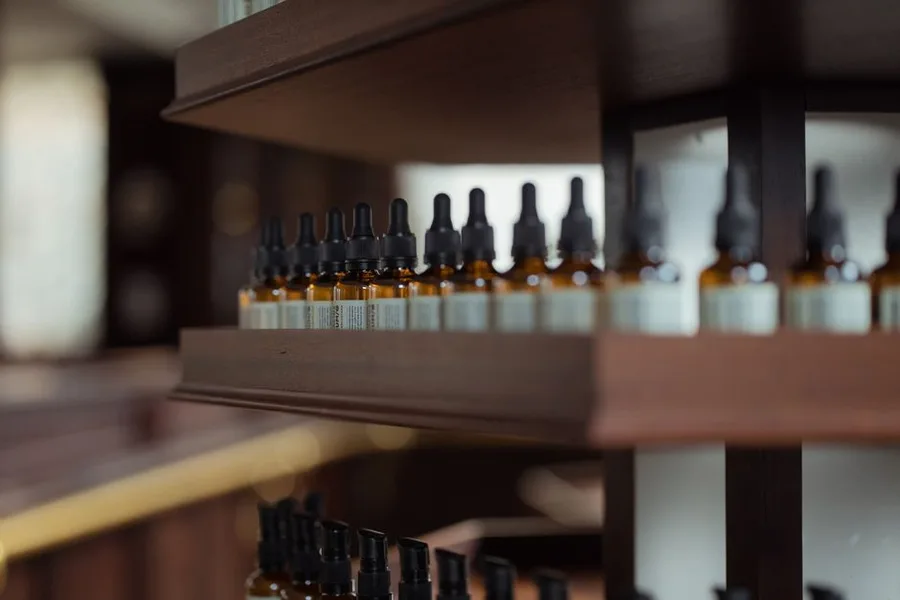
Essential oils are concentrated plant extracts that capture the natural aroma and beneficial compounds of the source plant. They are typically obtained through steam distillation or cold pressing, and they have been used for centuries in traditional medicine, cosmetics, and aromatherapy. This guide explains what essential oils are, how they work, their potential benefits, and how to use them safely. Whether you’re new to essential oils or looking to deepen your understanding, you’ll find clear, evidence-based information here.
What Are Essential Oils?
Essential oils are volatile aromatic compounds extracted from plants through processes like steam distillation or cold pressing. These oils carry the distinctive scent of the plant and contain a complex mixture of chemical constituents, such as terpenes, esters, and phenols, which contribute to their therapeutic properties. According to the National Association for Holistic Aromatherapy (NAHA), essential oils have been used for over 6,000 years in various cultures for healing and spiritual practices. Unlike carrier oils, essential oils are highly concentrated and should not be applied directly to the skin without dilution.
How Do Essential Oils Work?
Essential oils work through two primary pathways: olfaction (smell) and absorption through the skin. When inhaled, aromatic molecules travel to the olfactory bulb, which connects to the limbic system—the brain’s emotional and memory center. This interaction can influence mood, stress levels, and even physiological responses like heart rate. When applied topically, essential oil molecules can penetrate the skin and enter the bloodstream, where they may exert localized or systemic effects. Research published in the Journal of Alternative and Complementary Medicine (2021) suggests that certain essential oils, such as lavender and peppermint, can modulate the nervous system and reduce perceived stress.
Why Essential Oils Matter in 2026
In 2026, essential oils are more popular than ever, with a global market valued at over $10 billion, according to Grand View Research (2025). This growth is driven by increasing consumer interest in natural wellness products, holistic health practices, and clean-label ingredients. Essential oils are used in a variety of applications, from clinical aromatherapy in hospitals to everyday home use for relaxation and cleaning. Understanding how to choose and use essential oils safely is crucial, as misuse can lead to skin irritation, allergic reactions, or interactions with medications.
Who Should Use Essential Oils?
Essential oils can benefit a wide range of people, including:
- Individuals seeking natural stress relief: Aromatherapy with lavender or bergamot may help reduce anxiety and promote calm.
- People with sleep difficulties: Oils like chamomile and sandalwood are often used to improve sleep quality.
- Those looking for natural cleaning alternatives: Tea tree and lemon oils have antimicrobial properties.
- Healthcare professionals: Nurses and clinicians may use essential oils as complementary therapies in patient care.
However, essential oils are not a substitute for professional medical treatment. Pregnant women, young children, and individuals with chronic health conditions should consult a healthcare provider before use.
Common Uses of Essential Oils
Essential oils have a wide range of applications, each with unique benefits. The table below summarizes the most common uses and examples of oils for each purpose.
| Use | Description | Example Oils |
|---|---|---|
| Aromatherapy | Inhalation for mood and relaxation | Lavender, peppermint, eucalyptus |
| Topical application | Diluted in a carrier oil for skin benefits | Tea tree, frankincense, chamomile |
| Household cleaning | Natural antimicrobial and deodorizing | Lemon, tea tree, eucalyptus |
| Personal care | Added to cosmetics and skincare | Rose, geranium, jojoba (carrier) |
| Massage therapy | Blended with carrier oils for relief | Sweet orange, black pepper, ginger |
How to Use Essential Oils Safely
Safety is paramount when using essential oils. Here are key guidelines:
- Dilute properly: Essential oils are potent; always dilute with a carrier oil (e.g., jojoba, coconut, or sweet almond) before applying to skin. A typical ratio is 1-2 drops of essential oil per teaspoon of carrier oil.
- Patch test first: Apply a small amount of diluted oil to a small area of skin to check for allergic reactions.
- Avoid ingestion: Unless under the guidance of a qualified healthcare professional, do not ingest essential oils—they can be toxic.
- Keep away from eyes and mucous membranes: If contact occurs, rinse with a carrier oil, not water.
- Store properly: Keep oils in dark glass bottles, away from heat and sunlight, to preserve their potency.
- Consult a professional: If you are pregnant, nursing, have a medical condition, or are taking medication, consult a doctor or a certified aromatherapist before use.
The Science Behind Essential Oils: What the Evidence Says
While essential oils have a long history of traditional use, scientific research is ongoing. A 2024 systematic review in Phytotherapy Research examined 30 randomized controlled trials on lavender oil for anxiety, finding that lavender inhalation significantly reduced anxiety scores in 28 of the trials. Similarly, a 2023 study published in the Journal of Clinical Nursing reported that peppermint oil applied topically reduced the frequency and intensity of tension headaches in participants. However, the evidence base is still developing, and more high-quality studies are needed to establish definitive clinical recommendations.
Essential Oils vs. Fragrance Oils: What’s the Difference?
It’s easy to confuse essential oils with fragrance oils, but they are fundamentally different. The table below highlights the key distinctions.
| Aspect | Essential Oils | Fragrance Oils |
|---|---|---|
| Source | Extracted from natural plant material | Synthetically created in a lab |
| Composition | Complex mixture of plant compounds | Often contain synthetic chemicals |
| Therapeutic use | May have aromatherapeutic benefits | Primarily for scent, no therapeutic claims |
| Cost | Generally more expensive | Less expensive |
| Purity | Can be adulterated; look for GC/MS testing | No purity standards |
How to Choose a Quality Essential Oil
Selecting a high-quality essential oil is essential for safety and effectiveness. Here are tips:
- Look for botanical name: Ensure the label includes the Latin name (e.g., Lavandula angustifolia for true lavender).
- Check for purity: Reputable brands provide GC/MS (gas chromatography-mass spectrometry) test results to confirm purity.
- Avoid synthetic additives: The oil should be 100% pure, with no added carriers or synthetic ingredients.
- Consider the price: High-quality oils are rarely extremely cheap; if the price seems too good, it likely is.
- Choose dark glass bottles: Essential oils degrade in plastic and clear glass; dark glass protects them from light.
Potential Risks and Side Effects
While generally safe when used correctly, essential oils can cause adverse reactions. According to the American College of Healthcare Sciences (2022), the most common risks include skin irritation, allergic dermatitis, and photosensitivity (especially with citrus oils). Some oils, such as eucalyptus and camphor, are toxic if ingested. In rare cases, essential oils can interact with medications, such as blood thinners or antidepressants. If you experience any adverse effects, discontinue use and seek medical advice.
Frequently Asked Questions
Are essential oils safe to ingest?
No, ingesting essential oils is not recommended unless under the supervision of a qualified healthcare professional. Many oils are toxic when swallowed and can cause serious harm.
Can essential oils be used on children?
Yes, but with extreme caution. Children have sensitive skin and different metabolic rates. Always dilute more heavily and avoid certain oils, such as eucalyptus and peppermint, in children under 6 years old. Consult a pediatrician or a certified aromatherapist first.
How long do essential oils last?
Most essential oils have a shelf life of 1-3 years when stored properly in dark glass bottles, away from heat and light. Citrus oils tend to oxidize faster and may last only 1-2 years.
Do essential oils actually work for anxiety?
Some research suggests that certain oils, like lavender, may help reduce anxiety in short-term use. However, they are not a replacement for professional treatment, and results vary from person to person.
Now That You Understand the Basics
Now that you have a solid understanding of what essential oils are, how they work, and how to use them safely, you can explore further. Check out our guides on specific oils, aromatherapy techniques, and safety protocols to deepen your knowledge and incorporate essential oils into your wellness routine with confidence.
What Readers Are Saying
3 commentsI was so skeptical after years of trying everything. But 3 months in and I've lost 22 lbs. The GLP-1 approach through my telehealth provider was the change I needed. Wish I'd found this a year ago.
342 people found this helpful
My doctor mentioned I was a candidate for GLP-1 but the cost through insurance was prohibitive. Found a telehealth option for under $200/month which is a game-changer.
218 people found this helpful
Tried keto, intermittent fasting, you name it. The biological approach finally made things click. Down 18 lbs in 8 weeks and my energy is back.
156 people found this helpful
Based on this article
Why Diets Keep Failing You
Compounded Tirzepatide and Semaglutide deliver the same active ingredients as Ozempic and Mounjaro — through telehealth platforms for a fraction of the brand-name cost
Top pick: Gala · Starting at $179/mo — lowest price in the US
Related Solution Guides
Why Diets Keep Failing You — And the Prescription That Produces 15–22% Weight Loss Without $1,500/Month Ozempic
Compounded Tirzepatide and Semaglutide deliver the same active ingredients as Ozempic and Mounjaro — through telehealth platforms for a fraction of the brand-name cost
You've Tried to Quit Vaping. Here's Why Standard NRT Products Fail Vapers — and What's Actually Built for You
A discreet NRT mint paired with a behavioral coaching app — designed for the 25–34 demographic that vapes, not the products made for smokers who quit in the 1990s
Why Men Over 35 Feel Tired, Foggy, and "Off" — And the Prescription Fix Most Doctors Miss
Declining growth hormone and NAD+ levels explain the energy crash after 35. Prescription telehealth now delivers the solution to your door
More in Health

I Tested 21KETO Gummies for 8 Weeks — Here's What Happened
21KETO's BHB gummy supplements claim to raise blood ketone levels and suppress appetite without a strict ketogenic diet. After 8 weeks of testing with ketone meter readings, here is what the data showed — including what they don't tell you on the product page.

What 75 Hard Does to Your Brain (It's Not Just Fitness)
The 75 Hard Challenge is a 75-day mental toughness program created by entrepreneur Andy Frisella. Participants must follow five daily tasks:

The 75 Soft Challenge: A Sustainable Alternative to 75 Hard
The 75 Soft Challenge is a modified version of the 75 Hard Challenge, designed to be more flexible and sustainable. While exact rules vary,