Elderberry Benefits, Uses, and Safety: A 2026 Guide
Learn what elderberry is, its potential health benefits, how to use it safely, and who should avoid it in this plain-English 2026 guide.
Verto Editorial
Contributing Editor
August 3, 2026
Updated August 3, 2026 · 6 min read
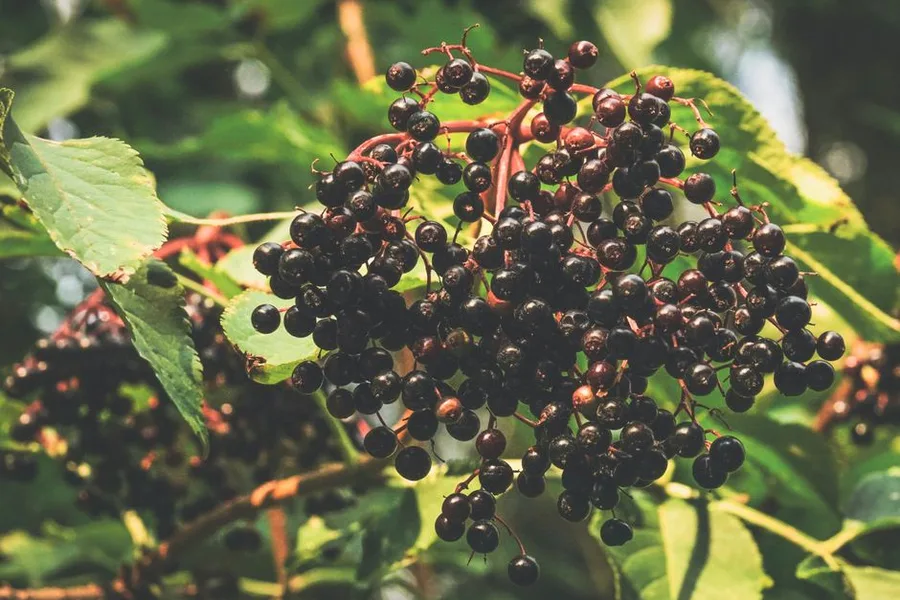
Elderberry is a dark purple berry from the Sambucus nigra plant that has been used for centuries in traditional medicine, and modern research suggests it may help shorten the duration of colds and flu. While elderberry is generally safe when cooked and consumed in moderate amounts, raw berries, leaves, and stems contain cyanogenic glycosides that can cause nausea and vomiting. This guide explains what elderberry is, its potential benefits, how to use it, and who should avoid it.
What Is Elderberry and How Does It Work?
Elderberry refers to the fruit of the Sambucus nigra plant, a shrub native to Europe, North Africa, and parts of Asia. The berries are rich in anthocyanins, flavonoids, and antioxidants that may support immune function. According to a 2019 meta-analysis published in the journal Complementary Therapies in Medicine, elderberry supplementation significantly reduced the duration of cold symptoms by an average of 2 to 4 days. The proposed mechanism involves elderberry’s ability to inhibit viral replication and stimulate the immune system, though more research is needed to confirm these effects in humans.
Why Elderberry Matters for Your Health
Elderberry matters because it is one of the most popular natural remedies for cold and flu season, with global sales of elderberry products exceeding $1 billion in 2020, according to a report by Grand View Research. Consumers are increasingly turning to plant-based supplements for immune support, and elderberry is among the top-selling herbal supplements in the United States, according to the American Botanical Council’s 2021 market report. Understanding what elderberry can and cannot do helps you make informed decisions about your health and avoid wasting money on ineffective products.
Who Should Consider Using Elderberry?
Elderberry is most beneficial for healthy adults who want to reduce the duration of cold or flu symptoms. If you are over 18, not pregnant, and do not have an autoimmune condition, elderberry syrup or lozenges taken at the onset of symptoms may help you recover faster. However, if you are pregnant, breastfeeding, or taking immunosuppressive drugs, you should avoid elderberry because its effects on these populations have not been adequately studied. Always consult your healthcare provider before starting any new supplement, especially if you have a chronic condition.
How to Use Elderberry Safely
To use elderberry safely, always cook the berries before consumption, as raw elderberries contain cyanogenic glycosides that can cause nausea, vomiting, and diarrhea. The most common forms are elderberry syrup, lozenges, gummies, and capsules. For cold and flu, typical dosages are 15 milliliters of syrup four times a day for adults, according to a 2019 clinical trial published in the Journal of International Medical Research. Do not exceed the recommended dose on the product label, and do not give elderberry to children under 5 without pediatrician approval.
What Are the Different Forms of Elderberry?
Elderberry is available in several forms, each with different onset times and convenience. The table below compares the most common forms.
| Form | Typical Dosage | Onset | Best For |
|---|---|---|---|
| Syrup | 15 ml, 4x/day | 15-30 min | At-home cold relief |
| Lozenges | 1 lozenge, 2-3x/day | 10-20 min | Sore throat |
| Gummies | 1-2 gummies/day | 30-60 min | Daily immune support |
| Capsules | 500-1000 mg/day | 30-60 min | Convenience |
What Are the Potential Health Benefits of Elderberry?
Elderberry’s primary benefit is reducing cold and flu duration. A 2019 meta-analysis in Complementary Therapies in Medicine found that elderberry supplementation reduced cold duration by 2 to 4 days on average. Additionally, a 2016 randomized controlled trial published in Nutrients found that elderberry extract reduced the duration of influenza symptoms by 4 days compared to placebo. Some research suggests elderberry may also have antioxidant and anti-inflammatory effects, but these are not as well-studied in humans.
Can Elderberry Prevent Colds and Flu?
Elderberry is not proven to prevent colds or flu, but it may reduce symptom severity and duration. According to the National Center for Complementary and Integrative Health, there is insufficient evidence to recommend elderberry for prevention. If you want to reduce your risk of respiratory infections, the CDC recommends annual flu vaccination and good hand hygiene as more effective strategies.
What Are the Risks and Side Effects of Elderberry?
Elderberry is generally safe for most adults when consumed in cooked or processed forms, but raw berries, leaves, and stems can be toxic. According to the American Herbal Products Association’s 2020 safety guidelines, raw elderberry parts contain cyanogenic glycosides that can cause nausea, vomiting, and diarrhea. Allergic reactions are rare but possible. People with autoimmune diseases, such as rheumatoid arthritis or lupus, should avoid elderberry because it may stimulate the immune system, potentially worsening symptoms.
How Does Elderberry Compare to Other Immune Supplements?
Elderberry is often compared to other natural immune supplements like echinacea, zinc, and vitamin C. While all three have some evidence for cold relief, elderberry has the strongest evidence for reducing duration, according to a 2021 review in the journal Advances in Integrative Medicine. The table below compares elderberry to these alternatives.
| Supplement | Evidence for Cold Duration | Common Side Effects |
|---|---|---|
| Elderberry | Strong (2-4 days reduction) | Mild GI upset |
| Echinacea | Moderate | Allergic reactions |
| Zinc | Moderate (1-2 days reduction) | Nausea, metallic taste |
| Vitamin C | Weak (8% reduction in adults) | GI upset |
When to Avoid Elderberry
Avoid elderberry if you are pregnant, breastfeeding, or under 5 years old, as safety data are lacking. Also avoid it if you have an autoimmune condition or are taking immunosuppressants, because elderberry may stimulate the immune system. If you are scheduled for surgery, stop taking elderberry at least 2 weeks prior, as it may affect blood sugar levels and immune function.
Frequently Asked Questions About Elderberry
Can I eat raw elderberries?
No, raw elderberries contain cyanogenic glycosides that can cause nausea and vomiting. Always cook them before eating.
How long does it take for elderberry to work?
Elderberry may reduce cold duration when taken at the onset of symptoms, with effects seen within 24-48 hours, according to clinical trials.
Is elderberry safe for children?
Elderberry is not recommended for children under 5 due to lack of safety data. For older children, consult a pediatrician.
Can elderberry interact with medications?
Elderberry may interact with diuretics, diabetes medications, and immunosuppressants. Consult your doctor if you take any of these.
Now That You Understand the Basics
Now that you understand the basics of elderberry, you can make an informed decision about whether it fits your health routine. To learn more about other natural immune support options, visit our immune health overview or explore herbal supplement safety.
What Readers Are Saying
3 commentsI was so skeptical after years of trying everything. But 3 months in and I've lost 22 lbs. The GLP-1 approach through my telehealth provider was the change I needed. Wish I'd found this a year ago.
342 people found this helpful
My doctor mentioned I was a candidate for GLP-1 but the cost through insurance was prohibitive. Found a telehealth option for under $200/month which is a game-changer.
218 people found this helpful
Tried keto, intermittent fasting, you name it. The biological approach finally made things click. Down 18 lbs in 8 weeks and my energy is back.
156 people found this helpful
Based on this article
Why Diets Keep Failing You
Compounded Tirzepatide and Semaglutide deliver the same active ingredients as Ozempic and Mounjaro — through telehealth platforms for a fraction of the brand-name cost
Top pick: Gala · Starting at $179/mo — lowest price in the US
Related Solution Guides
Why Diets Keep Failing You — And the Prescription That Produces 15–22% Weight Loss Without $1,500/Month Ozempic
Compounded Tirzepatide and Semaglutide deliver the same active ingredients as Ozempic and Mounjaro — through telehealth platforms for a fraction of the brand-name cost
You've Tried to Quit Vaping. Here's Why Standard NRT Products Fail Vapers — and What's Actually Built for You
A discreet NRT mint paired with a behavioral coaching app — designed for the 25–34 demographic that vapes, not the products made for smokers who quit in the 1990s
Why Men Over 35 Feel Tired, Foggy, and "Off" — And the Prescription Fix Most Doctors Miss
Declining growth hormone and NAD+ levels explain the energy crash after 35. Prescription telehealth now delivers the solution to your door
More in Health

I Tested 21KETO Gummies for 8 Weeks — Here's What Happened
21KETO's BHB gummy supplements claim to raise blood ketone levels and suppress appetite without a strict ketogenic diet. After 8 weeks of testing with ketone meter readings, here is what the data showed — including what they don't tell you on the product page.

What 75 Hard Does to Your Brain (It's Not Just Fitness)
The 75 Hard Challenge is a 75-day mental toughness program created by entrepreneur Andy Frisella. Participants must follow five daily tasks:

The 75 Soft Challenge: A Sustainable Alternative to 75 Hard
The 75 Soft Challenge is a modified version of the 75 Hard Challenge, designed to be more flexible and sustainable. While exact rules vary,