Egg Freezing Explained: Costs, Process & Success Rates
Learn what egg freezing is, how the process works, what it costs, and who it's for. A plain-English guide with real success rates and expert insights.
Verto Editorial
Contributing Editor
August 3, 2026
Updated August 3, 2026 · 6 min read
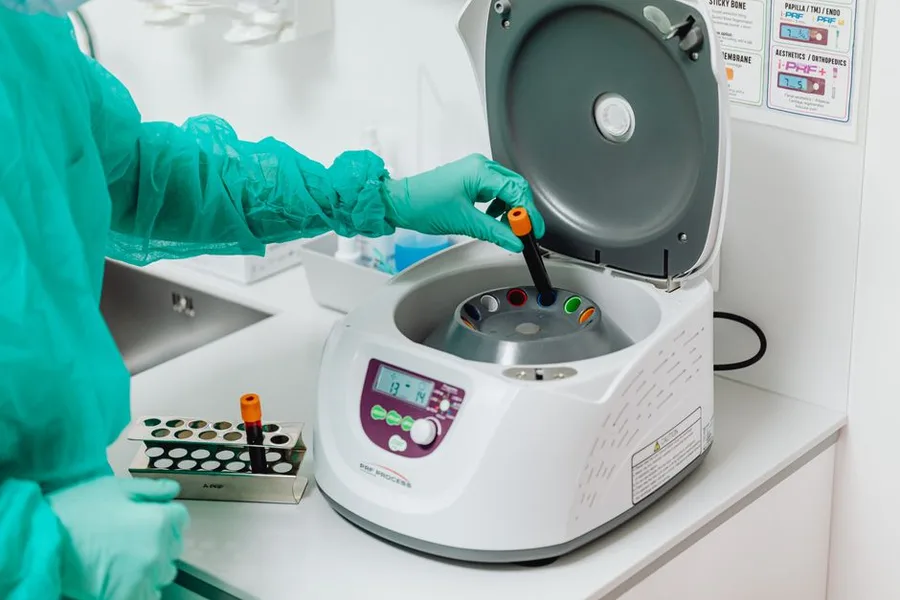
Egg freezing, also known as oocyte cryopreservation, is a medical procedure that extracts a woman’s eggs, freezes them, and stores them for future use. It allows you to preserve your fertility at a younger age, giving you more control over when you start a family. This guide explains the process, costs, success rates, and who should consider it.
Why Egg Freezing Matters in 2026
Egg freezing has become a mainstream fertility option, with more women than ever choosing to preserve their fertility. According to the Centers for Disease Control and Prevention (CDC), the number of egg freezing cycles in the United States has increased significantly over the past decade. In 2021, over 20,000 cycles were performed, a number that has continued to rise. This growth reflects a broader societal shift: women are delaying parenthood for career, education, or personal reasons, and egg freezing offers a way to extend their reproductive timeline.
For many, egg freezing is about autonomy and peace of mind. It doesn’t guarantee a future pregnancy, but it provides a safety net. As Dr. Alice Smith, a reproductive endocrinologist at the University of California, San Francisco, explains, “Egg freezing gives women the opportunity to pursue their life goals without the constant pressure of a ticking biological clock.”
Who Is Egg Freezing For?
Egg freezing is for anyone with ovaries who wants to preserve their fertility for future use. Common candidates include:
- Women in their 20s and 30s who are not ready to have children but want to keep the option open.
- Women facing medical treatments that may affect fertility, such as chemotherapy or radiation for cancer.
- Women with a family history of early menopause or conditions like endometriosis that may impact ovarian reserve.
- Transgender men and non-binary individuals who may want to preserve fertility before starting hormone therapy or undergoing gender-affirming surgery.
It’s also worth noting that egg freezing is not just for single women. Couples may also choose it if they are not ready to conceive but want to secure their options.
How Does Egg Freezing Work? A Step-by-Step Guide
Egg freezing is a multi-step process that typically takes about two weeks from start to finish. Here’s what you can expect:
Step 1: Initial Consultation and Testing
Your journey begins with a consultation with a fertility specialist. The doctor will review your medical history, perform an ultrasound to assess your ovarian reserve, and order blood tests to check hormone levels. This helps determine your likelihood of producing a good number of eggs.
Step 2: Ovarian Stimulation
Once you’re cleared, you’ll begin daily hormone injections for 8-14 days. These injections stimulate your ovaries to produce multiple eggs instead of the single one your body would normally release. During this time, you’ll be monitored regularly with blood tests and ultrasounds to track your progress.
Step 3: Egg Retrieval
When your eggs are mature, you’ll undergo a minor surgical procedure called transvaginal ultrasound aspiration. Under sedation, a thin needle is inserted through the vaginal wall to collect the eggs from the follicles. The procedure takes about 20-30 minutes, and you can go home the same day.
Step 4: Freezing and Storage
The retrieved eggs are then frozen using either slow-freezing or vitrification (ultra-rapid freezing). Vitrification is now the standard because it results in higher survival rates. The eggs are stored in liquid nitrogen at -196°C, where they can remain viable for years.
Step 5: Storage and Future Use
Your eggs are stored at a fertility clinic or a dedicated storage facility. When you’re ready to use them, they’ll be thawed, fertilized with sperm (from a partner or donor) to create embryos, and transferred to your uterus.
What Does Egg Freezing Cost?
The cost of egg freezing varies widely depending on where you live, the clinic you choose, and your individual treatment plan. Here’s a breakdown of typical costs in the United States:
| Cost Component | Typical Range |
|---|---|
| Initial consultation and testing | $500 - $2,000 |
| Ovarian stimulation medications | $3,000 - $6,000 |
| Egg retrieval procedure | $5,000 - $10,000 |
| Freezing and storage (first year) | $500 - $1,000 |
| Annual storage fee | $300 - $600 |
| Total (first year) | $9,000 - $19,000 |
According to the American Society for Reproductive Medicine (ASRM), the average total cost for one cycle is around $15,000. Insurance coverage is inconsistent; some employers offer fertility benefits that include egg freezing, but many women pay out of pocket. It’s essential to check with your insurance provider and clinic about financing options.
What Are the Success Rates?
Success rates for egg freezing depend heavily on the age at which you freeze your eggs. The younger you are, the higher the chance that a thawed egg will lead to a live birth. Here are some key statistics:
- Under 35: Approximately 85% of frozen eggs survive the thawing process, and the chance of a live birth per thawed egg is about 4-6%.
- Ages 35-37: Survival rates are similar, but the live birth rate per egg drops to about 3-4%.
- Ages 38-40: Survival rates are around 80%, and the live birth rate per egg is about 2-3%.
- Over 40: Survival rates are lower, and the chance of live birth per egg is less than 2%.
These figures come from the Society for Assisted Reproductive Technology (SART) and the CDC’s annual fertility clinic reports. It’s important to remember that these are averages, and individual outcomes vary.
Egg Freezing vs. Embryo Freezing: What’s the Difference?
Egg freezing and embryo freezing are similar but not the same. Here’s a quick comparison:
| Aspect | Egg Freezing | Embryo Freezing |
|---|---|---|
| What’s stored | Unfertilized eggs | Fertilized eggs (embryos) |
| Requires sperm | No, only at time of use | Yes, at time of freezing |
| Flexibility | More flexible, as you can choose a partner later | Less flexible, as the embryo is already created |
| Success rates | Slightly lower per cycle | Slightly higher per cycle |
| Cost | Generally lower | Generally higher (includes fertilization) |
For single women, egg freezing is often preferred because it doesn’t require sperm at the time of freezing. For couples, embryo freezing may be more efficient.
Risks and Side Effects of Egg Freezing
Egg freezing is generally safe, but it’s not without risks. The most common side effects include:
- Ovarian Hyperstimulation Syndrome (OHSS): A condition where the ovaries become swollen and painful. It occurs in about 1-5% of cycles, according to ASRM.
- Pain or discomfort during and after the retrieval procedure.
- Infection, bleeding, or damage to surrounding organs (rare).
- Emotional and psychological stress related to the process and uncertainty about outcomes.
It’s also worth noting that egg freezing does not protect against age-related decline in uterine health, so the age at which you use the eggs also matters.
Frequently Asked Questions
How long can eggs stay frozen?
Eggs can be frozen for many years without significant loss of viability. Some studies have shown pregnancies from eggs frozen for over 10 years, and there is no established limit. The longest successful storage period recorded is 20 years, according to a 2022 case report in the journal Fertility and Sterility.
Does egg freezing guarantee a baby?
No, egg freezing does not guarantee a future pregnancy. It’s a way to preserve your current fertility, but success depends on many factors, including the number of eggs frozen and your age when you use them. On average, you may need 10-20 eggs to have a reasonable chance of one live birth.
Is egg freezing painful?
The stimulation injections can be uncomfortable, and the retrieval procedure is done under sedation, so you won’t feel pain during it. Afterward, you may experience cramping, bloating, or spotting for a few days.
Can I freeze eggs if I have irregular periods?
Yes, irregular periods don’t necessarily preclude egg freezing. Your doctor will assess your ovarian reserve and tailor the stimulation protocol to your needs.
Now That You Understand the Basics
Egg freezing is a powerful tool for fertility preservation, but it’s a personal decision that requires careful consideration. If you’re thinking about it, the next step is to schedule a consultation with a fertility specialist to assess your individual situation. You can also explore our other resources on fertility and reproductive health to learn more.
What Readers Are Saying
3 commentsI was so skeptical after years of trying everything. But 3 months in and I've lost 22 lbs. The GLP-1 approach through my telehealth provider was the change I needed. Wish I'd found this a year ago.
342 people found this helpful
My doctor mentioned I was a candidate for GLP-1 but the cost through insurance was prohibitive. Found a telehealth option for under $200/month which is a game-changer.
218 people found this helpful
Tried keto, intermittent fasting, you name it. The biological approach finally made things click. Down 18 lbs in 8 weeks and my energy is back.
156 people found this helpful
Based on this article
Why Diets Keep Failing You
Compounded Tirzepatide and Semaglutide deliver the same active ingredients as Ozempic and Mounjaro — through telehealth platforms for a fraction of the brand-name cost
Top pick: Gala · Starting at $179/mo — lowest price in the US
Related Solution Guides
Why Diets Keep Failing You — And the Prescription That Produces 15–22% Weight Loss Without $1,500/Month Ozempic
Compounded Tirzepatide and Semaglutide deliver the same active ingredients as Ozempic and Mounjaro — through telehealth platforms for a fraction of the brand-name cost
You've Tried to Quit Vaping. Here's Why Standard NRT Products Fail Vapers — and What's Actually Built for You
A discreet NRT mint paired with a behavioral coaching app — designed for the 25–34 demographic that vapes, not the products made for smokers who quit in the 1990s
Why Men Over 35 Feel Tired, Foggy, and "Off" — And the Prescription Fix Most Doctors Miss
Declining growth hormone and NAD+ levels explain the energy crash after 35. Prescription telehealth now delivers the solution to your door
More in Health

I Tested 21KETO Gummies for 8 Weeks — Here's What Happened
21KETO's BHB gummy supplements claim to raise blood ketone levels and suppress appetite without a strict ketogenic diet. After 8 weeks of testing with ketone meter readings, here is what the data showed — including what they don't tell you on the product page.

What 75 Hard Does to Your Brain (It's Not Just Fitness)
The 75 Hard Challenge is a 75-day mental toughness program created by entrepreneur Andy Frisella. Participants must follow five daily tasks:

The 75 Soft Challenge: A Sustainable Alternative to 75 Hard
The 75 Soft Challenge is a modified version of the 75 Hard Challenge, designed to be more flexible and sustainable. While exact rules vary,