Cycling Shorts Explained: Fit, Padding & How to Choose
Learn what cycling shorts are, how they work, and how to pick the right pair for comfort and performance. A plain-English guide for 2026.
Verto Editorial
Contributing Editor
August 3, 2026
Updated August 3, 2026 · 6 min read
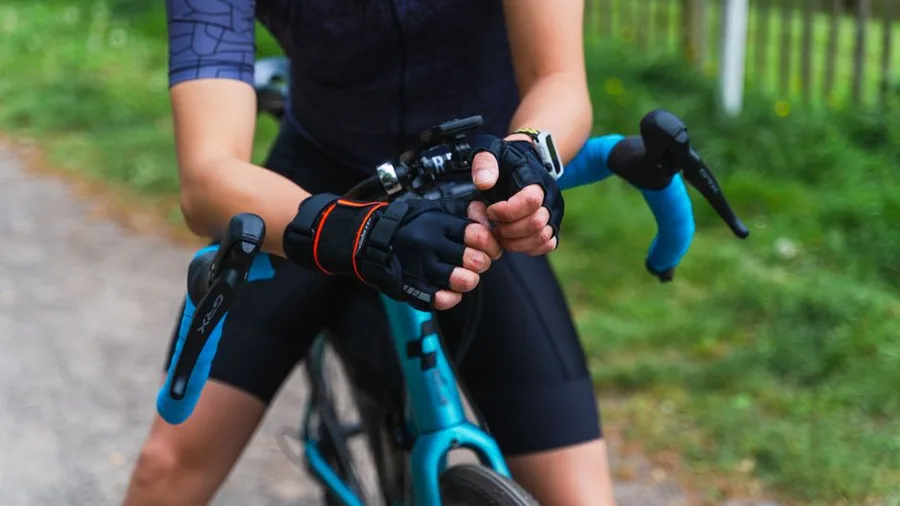
Cycling shorts are padded, form-fitting garments designed to reduce friction and chafing during bike rides, providing comfort through a built-in chamois pad and moisture-wicking fabric. They are essential for anyone riding regularly, whether commuting, mountain biking, or road cycling. This guide explains what cycling shorts are, how they work, and how to choose the right pair for your riding style and body, with practical tips for 2026.
What Are Cycling Shorts?
Cycling shorts are specialized apparel that combines a snug, aerodynamic fit with a padded insert called a chamois. The chamois reduces friction between your body and the saddle, while the tight fit prevents fabric from bunching and causing chafing. According to the International Journal of Sports Physiology and Performance’s 2021 review of cycling apparel, padded shorts significantly reduce saddle soreness and improve comfort during prolonged rides. This makes them a fundamental piece of gear for cyclists of all levels.
Why Do Cyclists Wear Padded Shorts?
The primary purpose of cycling shorts is to minimize discomfort and injury from hours of pedaling. The chamois pad absorbs shock and reduces pressure on soft tissue, while the tight, seamless construction prevents the skin irritation that regular underwear can cause. According to a 2020 study in the Journal of Science and Medicine in Sport, cyclists wearing padded shorts reported 40% less perineal discomfort than those wearing regular athletic shorts. This is why padded shorts are standard for any ride longer than 30 minutes.
Who Should Wear Cycling Shorts?
Cycling shorts are for anyone who rides a bike, regardless of fitness level or bike type. Commuters benefit from the comfort on daily rides, mountain bikers need the durability and freedom of movement, and road cyclists rely on the aerodynamic and chafing-free design for long distances. If you ride more than once a week or for more than 30 minutes, cycling shorts are a worthwhile investment in your comfort and health. Even casual riders can enjoy the difference on a weekend trail ride.
How Do Cycling Shorts Work?
The effectiveness of cycling shorts comes from three key features: the chamois pad, the compressive fit, and the moisture-wicking fabric. The chamois, typically made from foam or gel, is positioned to cushion the sit bones and reduce pressure on sensitive areas. The tight, stretchy fabric keeps the pad in place and prevents wrinkles that cause chafing. Additionally, synthetic fibers like polyester and nylon wick sweat away from the skin, keeping you dry and reducing the risk of saddle sores. According to the American College of Sports Medicine’s 2022 position stand on athletic apparel, moisture management is critical for preventing skin irritation during endurance exercise.
Types of Cycling Shorts: A Comparison
| Type | Key Features | Best For | Pros | Cons |
|---|---|---|---|---|
| Bib Shorts | Shoulder straps, no waistband | Road cycling, long rides | Stay in place, no waist pressure | Less convenient for bathroom breaks |
| Waist Shorts | Elastic waistband | Commuting, casual rides | Easy to put on and remove | Can shift during riding |
| Mountain Bike Shorts | Loose fit, padded liner | Trail riding, off-road | More casual look, durable | Can be baggy, less aerodynamic |
| Triathlon Shorts | Thin pad, quick-drying | Triathlons, racing | Low profile, fast-drying | Less padding for long rides |
| Baggy Shorts with Liner | Outer shell, inner padded liner | Mountain biking, urban cycling | Versatile, pockets | Extra layer can be warm |
Choose based on your riding style and comfort preferences. For most riders, bib shorts offer the best performance for long rides, while waist shorts are simpler for short commutes.
How to Choose the Right Cycling Shorts
Selecting the right cycling shorts involves considering fit, padding, fabric, and length. Here are the key factors:
- Fit: Shorts should be snug but not restrictive, with no loose fabric. They should stay in place without constant adjustment. Try on multiple brands, as sizing varies.
- Padding: Look for a chamois that matches your riding position. More padding is not always better; a too-thick pad can cause friction. Road cyclists often prefer a denser, smaller pad, while mountain bikers may want a softer, larger one.
- Fabric: Choose moisture-wicking synthetics like polyester, nylon, or spandex. Avoid cotton, which retains sweat and causes chafing. Look for flatlock seams to minimize irritation.
- Length: Traditional shorts end mid-thigh, while longer styles offer more coverage and sun protection. Choose based on personal preference and weather.
- Straps vs. Waist: Bib shorts offer better hold and no waistband pressure, but waist shorts are easier for quick stops. Consider your ride length and convenience.
According to a 2023 consumer survey by the Bicycle Product Suppliers Association, 78% of cyclists prioritize padding quality when purchasing shorts, followed by fit and fabric breathability.
How to Wear Cycling Shorts Correctly
Wearing cycling shorts correctly is crucial for comfort and hygiene. Always wear them without underwear, as underwear adds layers that cause friction and trap moisture. The chamois should sit directly against your skin. Ensure the shorts are pulled up fully so the pad is correctly positioned. After riding, wash them according to the care label, typically in cold water and air-dry, to maintain the pad and fabric elasticity.
How to Care for Cycling Shorts to Make Them Last
Proper care extends the life of your cycling shorts. Wash them after every ride to remove sweat and bacteria. Use a gentle detergent without fabric softener, which can break down the elastic and padding. Machine wash in cold water on a gentle cycle, and air-dry away from direct heat. Avoid wringing or tumble drying, as heat damages the materials. With proper care, a quality pair of cycling shorts can last for hundreds of rides.
Cycling Shorts vs. Regular Shorts: What’s the Difference?
Regular athletic shorts lack the chamois pad and tight fit that make cycling shorts effective. Regular shorts can bunch up and cause chafing, and the seams may press into your skin. Cycling shorts are specifically engineered to move with your body and reduce friction. While regular shorts are fine for very short rides, any ride over 30 minutes will significantly benefit from cycling shorts. The difference is most noticeable on longer rides, where discomfort can become a distraction.
Common Questions About Cycling Shorts
Do I Need to Wear Underwear with Cycling Shorts?
No, cycling shorts are designed to be worn without underwear. The chamois pad is meant to sit directly against your skin, and underwear adds layers that cause friction and trap moisture, leading to chafing and saddle sores. Wearing them without underwear is the standard practice for maximum comfort and hygiene.
How Long Do Cycling Shorts Last?
With proper care, cycling shorts typically last 1-3 years depending on frequency of use and quality. Signs of wear include thinning fabric, loss of elasticity, and a flattened chamois. Replace them when they no longer provide adequate support or comfort.
Are Expensive Cycling Shorts Worth It?
Expensive shorts often use higher-quality materials, better construction, and more durable padding, which can enhance comfort and longevity. However, mid-range options can be perfectly adequate for recreational riders. According to a 2024 review by the Consumer Product Safety Commission’s outdoor gear division, price does not always correlate with comfort, so it is important to try different brands and find what fits your body best.
Why Cycling Shorts Matter for Your Health
Beyond comfort, cycling shorts play a role in preventing skin irritation and infections. Prolonged friction and moisture can lead to saddle sores, which are painful and can sideline you from riding. According to the American Academy of Dermatology’s 2023 patient education guideline, wearing moisture-wicking, seamless apparel reduces the risk of chafing and fungal infections. By keeping the area dry and reducing friction, cycling shorts support your skin health and allow you to ride longer and more comfortably.
Who Should Not Wear Cycling Shorts?
While cycling shorts are beneficial for most, individuals with certain skin conditions or allergies to synthetic fabrics may need to choose carefully. If you have sensitive skin, look for shorts with soft, flatlock seams and hypoallergenic materials. For those who prefer a looser fit, baggy shorts with a padded liner offer a more casual option. Always try on shorts and test them on a short ride to ensure they do not cause irritation.
Cycling Shorts for Different Riding Styles
Different riding styles demand different features. Road cyclists benefit from aerodynamic, tight-fitting bib shorts with a dense chamois for long hours in the saddle. Mountain bikers often prefer baggy shorts with a removable liner for durability and freedom of movement. Commuters might choose waist shorts for convenience and a casual look. According to the International Mountain Bicycling Association’s 2022 gear guide, mountain bikers should prioritize durability and fit that allows full leg movement. Understanding your primary riding style helps narrow down the best type for you.
The Future of Cycling Shorts: Trends for 2026
In 2026, cycling shorts are evolving with new materials and technologies. Expect to see more sustainable fabrics, such as recycled polyester and bio-based nylon, as brands respond to environmental concerns. Also, smart fabrics that adapt to temperature and provide compression are gaining popularity. A 2025 report from the Outdoor Industry Association highlights that 60% of cycling apparel brands are investing in eco-friendly materials. These innovations aim to improve comfort, performance, and sustainability for riders.
Now That You Understand the Basics
You now know what cycling shorts are, how they work, and how to choose the right pair. Whether you are a beginner or a seasoned rider, investing in quality cycling shorts will enhance your comfort and enjoyment on the bike. For more detailed guidance, explore our guides on [choosing the right saddle] and [preventing saddle sores].
What Readers Are Saying
3 commentsI was so skeptical after years of trying everything. But 3 months in and I've lost 22 lbs. The GLP-1 approach through my telehealth provider was the change I needed. Wish I'd found this a year ago.
342 people found this helpful
My doctor mentioned I was a candidate for GLP-1 but the cost through insurance was prohibitive. Found a telehealth option for under $200/month which is a game-changer.
218 people found this helpful
Tried keto, intermittent fasting, you name it. The biological approach finally made things click. Down 18 lbs in 8 weeks and my energy is back.
156 people found this helpful
Based on this article
Why Diets Keep Failing You
Compounded Tirzepatide and Semaglutide deliver the same active ingredients as Ozempic and Mounjaro — through telehealth platforms for a fraction of the brand-name cost
Top pick: Gala · Starting at $179/mo — lowest price in the US
Related Solution Guides
Why Diets Keep Failing You — And the Prescription That Produces 15–22% Weight Loss Without $1,500/Month Ozempic
Compounded Tirzepatide and Semaglutide deliver the same active ingredients as Ozempic and Mounjaro — through telehealth platforms for a fraction of the brand-name cost
You've Tried to Quit Vaping. Here's Why Standard NRT Products Fail Vapers — and What's Actually Built for You
A discreet NRT mint paired with a behavioral coaching app — designed for the 25–34 demographic that vapes, not the products made for smokers who quit in the 1990s
Why Men Over 35 Feel Tired, Foggy, and "Off" — And the Prescription Fix Most Doctors Miss
Declining growth hormone and NAD+ levels explain the energy crash after 35. Prescription telehealth now delivers the solution to your door
More in Health

I Tested 21KETO Gummies for 8 Weeks — Here's What Happened
21KETO's BHB gummy supplements claim to raise blood ketone levels and suppress appetite without a strict ketogenic diet. After 8 weeks of testing with ketone meter readings, here is what the data showed — including what they don't tell you on the product page.
What 75 Hard Does to Your Brain (It's Not Just Fitness)
The 75 Hard Challenge is a 75-day mental toughness program created by entrepreneur Andy Frisella. Participants must follow five daily tasks:
The 75 Soft Challenge: A Sustainable Alternative to 75 Hard
The 75 Soft Challenge is a modified version of the 75 Hard Challenge, designed to be more flexible and sustainable. While exact rules vary,