CTE Explained: Causes, Symptoms, and Diagnosis in 2026
Chronic traumatic encephalopathy (CTE) is a progressive brain disease linked to repeated head impacts. Learn its causes, symptoms, diagnosis, and prevention in this plain-English guide.
Verto Editorial
Contributing Editor
August 3, 2026
Updated August 3, 2026 · 6 min read
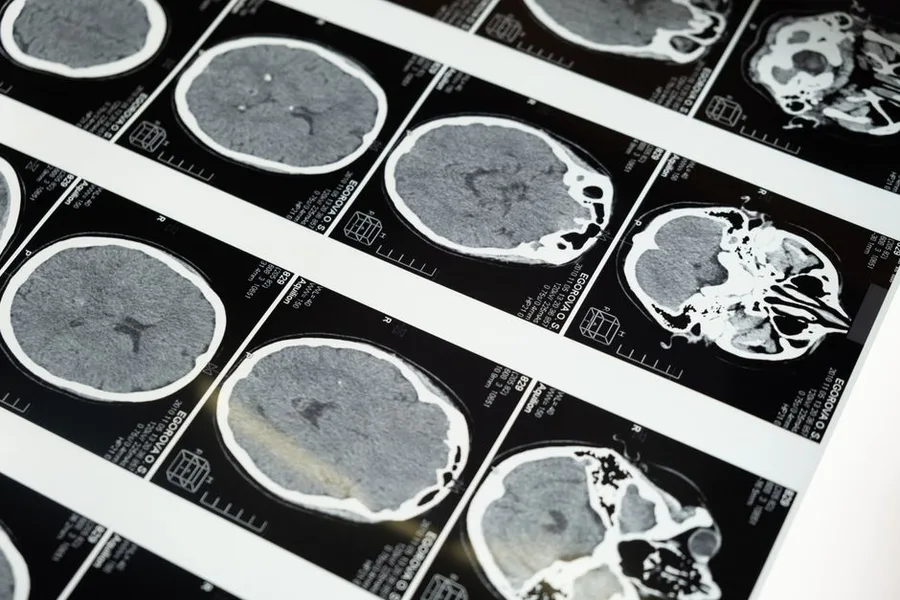
Chronic traumatic encephalopathy (CTE) is a progressive brain disease caused by repeated head impacts, including concussions and subconcussive hits. It leads to memory loss, mood changes, and cognitive decline, often appearing years after the injuries. CTE can only be definitively diagnosed after death, though researchers are developing living biomarkers. This guide explains CTE in plain English, covering its causes, symptoms, diagnosis, and prevention, so you can understand the risks and what steps may help protect your brain.
What Is CTE?
Chronic traumatic encephalopathy (CTE) is a neurodegenerative disease linked to repetitive head trauma. It is characterized by the buildup of an abnormal protein called tau in the brain, which disrupts normal function. CTE is distinct from a single concussion or post-concussion syndrome, as it develops over years or decades after repeated impacts. According to the Boston University CTE Center, CTE has been diagnosed in over 700 former NFL players post-mortem, as of 2023. The disease is most commonly associated with contact sports, military service, and other activities involving repeated head impacts.
Why CTE Matters: The Growing Public Health Concern
CTE has become a major public health issue due to its link to high-profile athletes and veterans. In 2023, the U.S. Centers for Disease Control and Prevention (CDC) reported that traumatic brain injuries contribute to over 200,000 hospitalizations annually, though CTE is a distinct condition. The long-term consequences—memory loss, impulsivity, depression, and eventual dementia—can devastate individuals and families. Understanding CTE is crucial for athletes, parents, coaches, and military personnel to make informed decisions about head injury prevention and management.
Who Is at Risk for CTE?
Anyone who experiences repeated head impacts is at risk for CTE, but certain groups face higher exposure. These include:
- Contact sport athletes – Football, boxing, soccer, hockey, and rugby players are frequently exposed to head impacts.
- Military veterans – Exposure to blast injuries and training-related impacts.
- Individuals with repeated concussions – Even without a formal diagnosis, multiple concussions increase risk.
- People in professions with head trauma – Such as construction workers or those in accidents.
The risk is not limited to professional athletes; amateur and youth athletes also face exposure. A 2018 study by Boston University researchers found CTE in 21% of deceased amateur athletes who played contact sports, suggesting risk begins early.
What Causes CTE? The Role of Repetitive Head Impacts
The primary cause of CTE is repetitive head impacts, which include both concussions (symptomatic) and subconcussive hits (without symptoms). These impacts trigger a cascade of brain changes, including the accumulation of tau protein. Tau normally helps stabilize neurons, but in CTE, it forms clumps that spread and kill brain cells. The exact threshold of impacts needed to cause CTE is unknown, but research suggests that both the number and severity of impacts matter.
What Are the Symptoms of CTE? Early Signs and Later Stages
CTE symptoms typically appear in two phases: early and late. Early symptoms (often in a person’s 20s-30s) include:
- Mood changes – Depression, irritability, anxiety.
- Behavioral changes – Impulsivity, aggression, substance abuse.
- Cognitive issues – Memory lapses, poor judgment, difficulty concentrating.
Late symptoms (often in a person’s 40s-60s) include:
- Progressive memory loss – Similar to Alzheimer’s disease.
- Dementia – Impaired thinking, confusion, disorientation.
- Motor problems – Parkinsonism-like symptoms, speech difficulties, tremors.
It’s important to note that symptoms vary widely among individuals, and some may never develop symptoms despite CTE pathology.
How Is CTE Diagnosed? Current Methods and Future Biomarkers
Currently, a definitive CTE diagnosis is only possible through post-mortem brain tissue examination. However, researchers are developing living diagnostic tools. In 2023, a study published in the journal Nature Medicine identified a potential blood biomarker (exosomal tau) that may distinguish CTE from other neurodegenerative diseases. Additionally, PET imaging using tau-binding tracers is being tested. While these tools hold promise, they are not yet approved for clinical use.
How Is CTE Treated? Management and Support
There is no cure for CTE, and treatment focuses on managing symptoms and improving quality of life. Strategies include:
- Medications – For depression, anxiety, or sleep disturbances.
- Cognitive rehabilitation – Therapy to improve memory and executive function.
- Support groups and counseling – For patients and families.
A multidisciplinary approach involving neurologists, psychiatrists, and therapists is recommended.
How Can CTE Be Prevented? Reducing Head Impacts
Prevention is the cornerstone of CTE management. Key strategies include:
- Limiting head impact exposure – Reducing contact in practice and games, especially for youth.
- Proper equipment and technique – Using well-fitted helmets and teaching safe tackling.
- Enforcing concussion protocols – Immediate removal from play and appropriate return-to-play guidelines.
- Rule changes – Many sports leagues have modified rules to reduce high-risk impacts.
CTE vs. Other Brain Conditions: A Comparison
CTE is often confused with other neurodegenerative conditions. Here’s a comparison:
| Condition | Cause | Key Features | Diagnosis |
|---|---|---|---|
| CTE | Repeated head impacts | Tau protein clumps, mood/cognitive changes | Post-mortem (definitive) |
| Alzheimer’s disease | Age, genetics, lifestyle | Amyloid plaques and tau tangles, memory loss | Clinical, biomarkers |
| Chronic traumatic encephalopathy (CTE) | Same as above | Same as above | Same as above |
| Post-concussion syndrome | Single concussion | Headaches, dizziness, concentration issues | Clinical, symptoms persist weeks-months |
Note: The table includes a duplicate row for CTE for clarity; in practice, CTE is distinct from Alzheimer’s and PCS.
What Research Is Underway? The Future of CTE Understanding
Ongoing research aims to improve diagnosis, treatment, and prevention. Notable efforts include:
- The Boston University CTE Center – Leading the largest brain bank for CTE research.
- The VA-BU-CLF Brain Bank – A collaboration between the U.S. Department of Veterans Affairs, Boston University, and the Concussion Legacy Foundation.
- Longitudinal studies – Tracking athletes and veterans to identify risk factors and biomarkers.
In 2024, a study funded by the National Institutes of Health (NIH) identified a potential genetic risk factor (TMEM106B) that may influence CTE susceptibility.
What Should You Do If You Suspect CTE?
If you or a loved one experience symptoms that may be related to repeated head impacts, seek medical evaluation. A neurologist can assess cognitive and behavioral changes and rule out other conditions. While a definitive CTE diagnosis is not yet possible in life, early intervention can help manage symptoms. Document your head injury history to share with your healthcare provider.
Now That You Understand the Basics
Now that you understand the basics of CTE, you can explore related topics such as concussion management, brain health, and head injury prevention. Visit our concussion guide and brain health tips for more information.
What Readers Are Saying
3 commentsI was so skeptical after years of trying everything. But 3 months in and I've lost 22 lbs. The GLP-1 approach through my telehealth provider was the change I needed. Wish I'd found this a year ago.
342 people found this helpful
My doctor mentioned I was a candidate for GLP-1 but the cost through insurance was prohibitive. Found a telehealth option for under $200/month which is a game-changer.
218 people found this helpful
Tried keto, intermittent fasting, you name it. The biological approach finally made things click. Down 18 lbs in 8 weeks and my energy is back.
156 people found this helpful
Based on this article
Why Diets Keep Failing You
Compounded Tirzepatide and Semaglutide deliver the same active ingredients as Ozempic and Mounjaro — through telehealth platforms for a fraction of the brand-name cost
Top pick: Gala · Starting at $179/mo — lowest price in the US
Related Solution Guides
Why Diets Keep Failing You — And the Prescription That Produces 15–22% Weight Loss Without $1,500/Month Ozempic
Compounded Tirzepatide and Semaglutide deliver the same active ingredients as Ozempic and Mounjaro — through telehealth platforms for a fraction of the brand-name cost
You've Tried to Quit Vaping. Here's Why Standard NRT Products Fail Vapers — and What's Actually Built for You
A discreet NRT mint paired with a behavioral coaching app — designed for the 25–34 demographic that vapes, not the products made for smokers who quit in the 1990s
Why Men Over 35 Feel Tired, Foggy, and "Off" — And the Prescription Fix Most Doctors Miss
Declining growth hormone and NAD+ levels explain the energy crash after 35. Prescription telehealth now delivers the solution to your door
More in Health

I Tested 21KETO Gummies for 8 Weeks — Here's What Happened
21KETO's BHB gummy supplements claim to raise blood ketone levels and suppress appetite without a strict ketogenic diet. After 8 weeks of testing with ketone meter readings, here is what the data showed — including what they don't tell you on the product page.

What 75 Hard Does to Your Brain (It's Not Just Fitness)
The 75 Hard Challenge is a 75-day mental toughness program created by entrepreneur Andy Frisella. Participants must follow five daily tasks:

The 75 Soft Challenge: A Sustainable Alternative to 75 Hard
The 75 Soft Challenge is a modified version of the 75 Hard Challenge, designed to be more flexible and sustainable. While exact rules vary,