Continuous Glucose Monitors Explained: How CGM Works in 2026
Learn what a continuous glucose monitor (CGM) is, how it works, who it helps, and what to consider before choosing one in 2026.
Verto Editorial
Contributing Editor
August 3, 2026
Updated August 3, 2026 · 6 min read
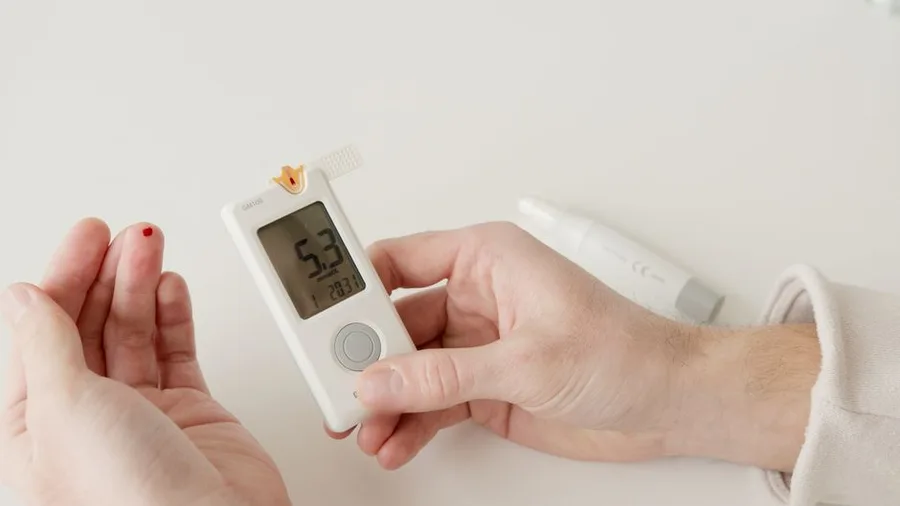
A continuous glucose monitor (CGM) is a wearable device that measures glucose levels in the interstitial fluid every few minutes, providing real-time data and trends without routine fingersticks. CGMs help people with diabetes, prediabetes, and even athletes track how food, exercise, and stress affect blood sugar. In 2026, CGMs are smaller, more accurate, and more affordable than ever, with some models lasting up to 14 days. This guide explains what a CGM is, how it works, who benefits, and key factors to weigh before using one.
What Is a Continuous Glucose Monitor (CGM)?
A continuous glucose monitor (CGM) is a small wearable sensor that automatically measures glucose levels in the interstitial fluid—the fluid surrounding cells—every 1 to 5 minutes. It transmits that data wirelessly to a receiver, smartphone app, or insulin pump, giving you a continuous picture of your glucose trends. Unlike a traditional blood glucose meter that requires a fingerstick for a single reading, a CGM provides up to 288 readings per day, revealing patterns and fluctuations that a single test misses. According to the American Diabetes Association’s 2025 Standards of Care, CGMs are recommended for anyone on intensive insulin therapy and are increasingly used by people with type 2 diabetes and prediabetes.
How Does a CGM Work?
A CGM system has three main components: a sensor, a transmitter, and a display device.
The Sensor
The sensor is a thin, flexible filament inserted just under the skin, typically on the abdomen or upper arm. It measures glucose in the interstitial fluid using an enzyme-based electrochemical reaction. The sensor is worn for 7 to 14 days, depending on the brand, then replaced.
The Transmitter
The transmitter, either attached to the sensor or integrated into it, sends glucose data wirelessly to a display device via Bluetooth or a proprietary radio frequency. Some transmitters are rechargeable and last months; others are replaced with the sensor.
The Display Device
A display device can be a dedicated receiver, a smartphone app, or an insulin pump. It shows current glucose, trend arrows (indicating direction and speed of change), and graphs of glucose over time. Many apps also provide alerts for high or low glucose levels, which can be set to vibrate or sound.
Calibration and Accuracy
Most modern CGMs are factory-calibrated and do not require fingerstick calibration. However, if your CGM readings do not match how you feel or a fingerstick test, the FDA recommends confirming with a traditional meter before making treatment decisions. According to the FDA’s 2024 guidance on CGM accuracy, systems must meet a mean absolute relative difference (MARD) of under 15%—lower is better. In 2025, the FDA approved several next-generation sensors with MARD values around 8-9%.
Why CGMs Matter: Benefits Beyond Fingersticks
CGM use is associated with improved glycemic control and reduced risk of severe hypoglycemia. A 2024 meta-analysis by the Journal of Diabetes Science and Technology found that CGM users reduced their HbA1c by an average of 0.5% compared to self-monitoring blood glucose. Additionally, CGM data helps identify post-meal glucose spikes, which are linked to increased cardiovascular risk even in people without diabetes.
Who Should Use a CGM?
People with Type 1 Diabetes
For individuals with type 1 diabetes, CGM is a standard of care. The American Diabetes Association recommends CGM for all adults with type 1 diabetes who are on intensive insulin therapy. It reduces the burden of frequent fingersticks and provides alerts for dangerous lows.
People with Type 2 Diabetes
CGM is increasingly used by people with type 2 diabetes, especially those on insulin or at risk of hypoglycemia. A 2025 study in Diabetes Care showed that CGM use in type 2 diabetes led to a significant reduction in HbA1c and improved time-in-range.
People with Prediabetes or Metabolic Concerns
People with prediabetes or those interested in optimizing metabolic health may use CGMs to understand how diet and lifestyle affect glucose. While not medically necessary for everyone, CGMs can help identify glucose spikes from certain foods and guide healthier choices.
Athletes and Biohackers
Some athletes and health enthusiasts use CGMs to fine-tune nutrition and training. They monitor glucose during exercise to maintain performance and avoid crashes. However, the evidence for using CGMs in healthy athletes is still emerging; a 2023 review in Sports Medicine noted potential benefits but called for more research.
CGM vs. Traditional Blood Glucose Meters
| Feature | CGM | Traditional Meter |
|---|---|---|
| Frequency | Every 1-5 minutes | Each fingerstick |
| Invasiveness | Sensor insertion every 7-14 days | Multiple fingersticks daily |
| Data | Continuous trends and patterns | Single snapshots |
| Alerts | High/low and trend alerts | None |
| Cost | Higher upfront cost; sensors ongoing | Lower cost per test |
| Accuracy | MARD typically 8-12% | MARD typically 5-10% |
| Wear time | 7-14 days per sensor | Immediate |
As the table shows, CGMs offer far more data and convenience but at a higher cost. For people who need frequent monitoring, the benefits often outweigh the expense.
What to Consider Before Getting a CGM
Cost and Insurance Coverage
CGMs are not cheap: sensors can cost $100-$300 per month without insurance. Many insurance plans cover CGMs for people with diabetes who meet certain criteria, such as insulin use or frequent hypoglycemia. According to the Centers for Medicare & Medicaid Services, Medicare covers CGMs for beneficiaries with diabetes who use insulin or have problematic hypoglycemia. Check your plan’s coverage before purchasing.
Accuracy and Sensor Placement
Accuracy varies by brand and sensor placement. The FDA requires that CGM systems meet accuracy standards, but individual results may differ. Rotate sensor sites to avoid skin irritation and follow manufacturer instructions for insertion. Some sensors are approved for the upper arm only; others allow abdomen or thigh placement.
Skin Irritation and Adhesion
Some people experience skin irritation from the adhesive or the sensor filament. If you have sensitive skin, look for hypoallergenic options or use barrier wipes. In 2025, several brands introduced extended-wear sensors with improved adhesives that reduce irritation.
Data Sharing and Integration
Most CGM apps allow you to share data with healthcare providers or family members in real time. This can be valuable for caregivers of children with diabetes. Also, consider whether the CGM integrates with your insulin pump or other devices. The interoperability standards set by the FDA in 2024 have made it easier to combine devices from different manufacturers.
How to Get a CGM
To get a CGM, you typically need a prescription from a healthcare provider. Your provider can help you choose a model based on your needs, lifestyle, and insurance coverage. Many diabetes clinics offer CGM training to help you get the most from the device. If you do not have diabetes but are interested in tracking your glucose, some companies offer direct-to-consumer programs, but these are not covered by insurance and may not be medically supervised.
Now That You Understand the Basics
You now know what a continuous glucose monitor is, how it works, and who benefits from it. If you are considering a CGM, talk to your doctor about whether it is right for you. For more details, explore our guides on how to choose a CGM and interpreting your glucose data.
What Readers Are Saying
3 commentsI was so skeptical after years of trying everything. But 3 months in and I've lost 22 lbs. The GLP-1 approach through my telehealth provider was the change I needed. Wish I'd found this a year ago.
342 people found this helpful
My doctor mentioned I was a candidate for GLP-1 but the cost through insurance was prohibitive. Found a telehealth option for under $200/month which is a game-changer.
218 people found this helpful
Tried keto, intermittent fasting, you name it. The biological approach finally made things click. Down 18 lbs in 8 weeks and my energy is back.
156 people found this helpful
Based on this article
Why Diets Keep Failing You
Compounded Tirzepatide and Semaglutide deliver the same active ingredients as Ozempic and Mounjaro — through telehealth platforms for a fraction of the brand-name cost
Top pick: Gala · Starting at $179/mo — lowest price in the US
Related Solution Guides
Why Diets Keep Failing You — And the Prescription That Produces 15–22% Weight Loss Without $1,500/Month Ozempic
Compounded Tirzepatide and Semaglutide deliver the same active ingredients as Ozempic and Mounjaro — through telehealth platforms for a fraction of the brand-name cost
You've Tried to Quit Vaping. Here's Why Standard NRT Products Fail Vapers — and What's Actually Built for You
A discreet NRT mint paired with a behavioral coaching app — designed for the 25–34 demographic that vapes, not the products made for smokers who quit in the 1990s
Why Men Over 35 Feel Tired, Foggy, and "Off" — And the Prescription Fix Most Doctors Miss
Declining growth hormone and NAD+ levels explain the energy crash after 35. Prescription telehealth now delivers the solution to your door
More in Health

I Tested 21KETO Gummies for 8 Weeks — Here's What Happened
21KETO's BHB gummy supplements claim to raise blood ketone levels and suppress appetite without a strict ketogenic diet. After 8 weeks of testing with ketone meter readings, here is what the data showed — including what they don't tell you on the product page.

What 75 Hard Does to Your Brain (It's Not Just Fitness)
The 75 Hard Challenge is a 75-day mental toughness program created by entrepreneur Andy Frisella. Participants must follow five daily tasks:

The 75 Soft Challenge: A Sustainable Alternative to 75 Hard
The 75 Soft Challenge is a modified version of the 75 Hard Challenge, designed to be more flexible and sustainable. While exact rules vary,