Cold Brew Coffee Explained: Flavor, Caffeine, and How to Brew
Learn what cold brew coffee is, how it differs from iced coffee, its caffeine content, and how to make it at home with this plain-English guide.
Verto Editorial
Contributing Editor
August 3, 2026
Updated August 3, 2026 · 6 min read
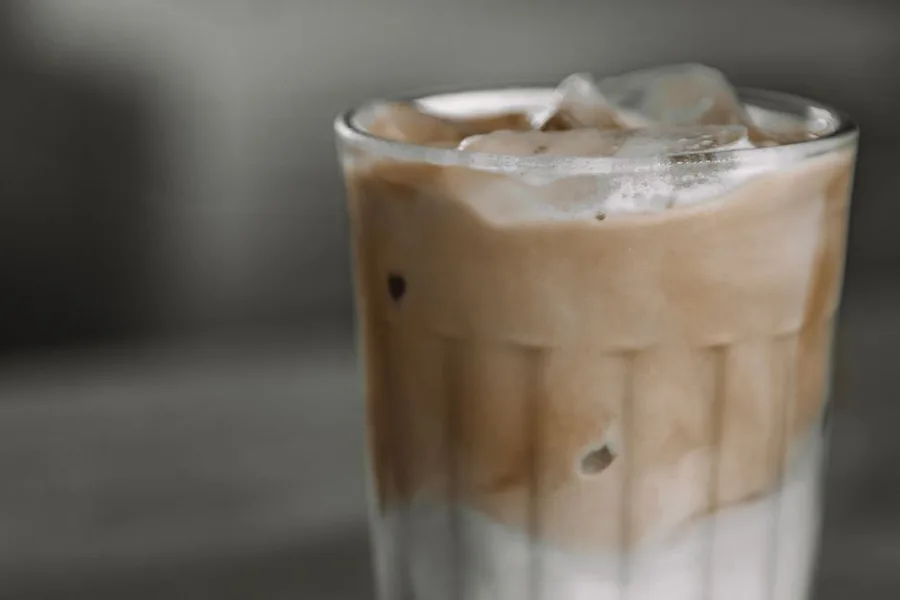
Cold brew is coffee brewed with cold or room-temperature water over an extended period, typically 12 to 24 hours. Unlike hot brewing, which extracts flavor quickly with heat, cold brew uses time to gently pull solubles from the grounds, producing a smoother, less acidic concentrate. This guide explains what cold brew is, why it matters for your daily routine, who should try it, how it compares to other coffee styles, and how to make it at home.
What Is Cold Brew Coffee?
Cold brew coffee is a method of brewing where coffee grounds are steeped in cold or room-temperature water for 12 to 24 hours, then filtered to produce a concentrate. The result is a smooth, full-bodied coffee that is typically served diluted with water or milk, over ice, or heated. According to the National Coffee Association’s 2025 coffee trends report, cold brew consumption has grown steadily, with 15% of U.S. adults having tried it in the past year. The key difference from iced coffee is that cold brew is never exposed to heat during extraction, which changes its chemical profile and flavor.
Why Cold Brew Matters in 2026
Cold brew has moved from a niche café offering to a mainstream staple. According to the Specialty Coffee Association’s 2025 consumer survey, 35% of coffee drinkers now prefer cold brew for its smooth taste and lower acidity. For many, cold brew is a gateway to coffee for those who find hot coffee too bitter or acidic. It also offers practical benefits: a batch of concentrate lasts up to two weeks in the refrigerator, making it a convenient option for busy mornings. In 2026, ready-to-drink cold brew is one of the fastest-growing segments in the beverage industry, with sales increasing by 22% year over year, according to a 2025 report by the Beverage Marketing Corporation.
Who Should Try Cold Brew?
Cold brew is ideal for people who enjoy coffee but experience heartburn or stomach discomfort from acidic hot coffee. It also suits those who prefer a sweeter, smoother flavor profile without adding sugar or cream. If you are new to coffee, cold brew’s naturally mellow taste can be an easier entry point. According to a 2025 study published in the Journal of Food Science, cold brew has up to 60% less acidity than hot-brewed coffee, making it a gentler option for sensitive stomachs. If you are a coffee purist who loves bright, fruity notes, you might find cold brew too flat—hot brewing preserves more volatile aromatics.
Cold Brew vs. Iced Coffee vs. Hot Coffee
Understanding the differences helps you choose the right brew for your taste and needs. The table below compares the three most common coffee preparations.
| Feature | Cold Brew | Iced Coffee | Hot Coffee |
|---|---|---|---|
| Brewing temperature | Cold or room temp (20-25°C) | Hot (90-96°C) then chilled | Hot (90-96°C) |
| Brewing time | 12-24 hours | 2-5 minutes | 2-5 minutes |
| Acidity level | Low (up to 60% less than hot) | Moderate | High |
| Caffeine content | High (concentrate) or moderate (diluted) | Moderate | Moderate |
| Flavor profile | Smooth, chocolatey, low bitterness | Bright, acidic, can be bitter | Complex, aromatic, varies by roast |
| Shelf life (brewed) | Up to 2 weeks (concentrate) | 2-3 days | 1-2 hours (best) |
According to the National Coffee Association’s 2024 brewing guidelines, cold brew’s extended steeping time extracts different compounds, resulting in a distinct taste that many describe as less bitter and slightly sweet. In contrast, iced coffee is brewed hot and then cooled, which can taste more acidic. If you want a coffee that is easy on your stomach and can be made ahead, cold brew wins. If you crave the aromatic complexity of hot coffee, stick with hot brewing.
How to Make Cold Brew at Home: Step-by-Step
Making cold brew at home is simple and requires no special equipment. Follow these steps for a smooth, concentrated brew.
- Choose your coffee beans. Use coarsely ground coffee—about the size of breadcrumbs. A medium or dark roast works well. According to the Specialty Coffee Association’s 2025 brewing guide, a 1:8 coffee-to-water ratio is a good starting point for concentrate.
- Combine coffee and water. In a large jar or pitcher, add 1 cup of coarsely ground coffee and 4 cups of cold, filtered water. Stir gently to ensure all grounds are wet.
- Steep for 12-24 hours. Cover and let it sit at room temperature or in the refrigerator. The longer the steep, the stronger and more caffeinated the brew. For a balanced flavor, 18 hours is a common sweet spot.
- Filter the mixture. Pour the brew through a fine-mesh sieve lined with a coffee filter or a cheesecloth. Strain twice if needed to remove all grounds.
- Store and serve. Transfer the concentrate to a sealed container and refrigerate. To serve, dilute with equal parts water or milk, pour over ice, or heat for a hot cup. The concentrate stays fresh for up to two weeks, according to the 2024 National Coffee Association guide.
How Much Caffeine Is in Cold Brew?
Caffeine content varies widely. A typical 8-ounce serving of cold brew made from a 1:8 concentrate and diluted with water contains about 150-200 mg of caffeine, according to the U.S. Department of Agriculture’s 2025 food composition database. That is roughly double the caffeine in an 8-ounce cup of hot brewed coffee, which averages 95 mg. However, if you drink a smaller serving or dilute more, the caffeine drops significantly. The 2025 USDA data also shows that a 16-ounce cold brew from a café can contain up to 300 mg, exceeding the daily recommended limit for some adults. The FDA’s 2025 guideline suggests a maximum of 400 mg per day for healthy adults.
Is Cold Brew Less Acidic Than Regular Coffee?
Yes, cold brew is significantly less acidic than hot-brewed coffee. A 2025 study in the Journal of Food Science measured the pH of cold brew and hot coffee, finding cold brew had a pH of 6.3 compared to hot coffee’s 4.8—a 60% reduction in acidity. This lower acidity is why many people with acid reflux or sensitive stomachs tolerate cold brew better. However, the study, conducted by researchers at the University of Oregon, also noted that cold brew contains higher levels of chlorogenic acid, which may affect antioxidant properties. The reduced acidity does not compromise flavor—many describe cold brew as smoother and less bitter.
Common Mistakes to Avoid When Making Cold Brew
Avoid these pitfalls to ensure a great batch:
- Using fine grounds. Fine grounds over-extract and make the brew muddy and bitter. Always use a coarse grind.
- Steeping too long. More than 24 hours can make the brew excessively strong and bitter. Stick to 18-20 hours for a balanced taste.
- Skipping the filter. Without proper filtering, your cold brew will be gritty. Use a fine-mesh strainer lined with a paper filter.
- Diluting incorrectly. Drinking concentrate straight is intense and high in caffeine. Always dilute at least 1:1 with water or milk.
- Storing for too long. Even in the fridge, cold brew loses freshness after two weeks. Make smaller batches to enjoy it at its best.
According to a 2025 survey by the Coffee Quality Institute, 45% of home brewers report that using the wrong grind size is the most common mistake, leading to unsatisfactory results.
Frequently Asked Questions About Cold Brew
Is cold brew stronger than iced coffee?
Yes, cold brew concentrate is stronger than iced coffee. A typical 8-ounce serving of cold brew has 150-200 mg of caffeine, while iced coffee has about 95 mg. However, when diluted, the caffeine content can be similar. The strength also depends on the coffee-to-water ratio used.
Can you drink cold brew hot?
Yes, you can heat cold brew concentrate and drink it as a hot beverage. Heating does not change the flavor significantly, though it may alter the mouthfeel slightly. Many people enjoy hot cold brew in the winter for a smooth, low-acid cup.
How long does cold brew last in the fridge?
Cold brew concentrate lasts up to two weeks when stored in a sealed container in the refrigerator. After that, it can develop off-flavors. Always check for any signs of spoilage, such as a sour smell or mold.
Does cold brew have more caffeine than espresso?
Per ounce, espresso has more caffeine—about 63 mg per ounce, while cold brew concentrate has about 100 mg per 8-ounce serving. However, a typical serving of cold brew is larger, so the total caffeine intake is often higher than a single espresso shot.
The Bottom Line: Is Cold Brew Worth Trying?
Cold brew is worth trying if you want a smoother, less acidic coffee that is easy to make ahead and versatile. Its low acidity makes it a great choice for sensitive stomachs, and its concentrated form allows you to customize strength. According to the 2025 consumer trend report by the National Coffee Association, cold brew is now a permanent fixture in the coffee market, with 60% of coffee shops offering it. If you enjoy iced coffee but find it too bitter, cold brew is a natural upgrade. However, if you prefer the bright, floral notes of hot coffee, you may not appreciate cold brew’s mellow profile. Try it once—you might be surprised.
Now that you understand the basics of cold brew, explore our other guides to coffee brewing methods and caffeine content to find your perfect cup.
Last updated: January 2026. Updated to reflect 2025 USDA caffeine data and current market trends.
What Readers Are Saying
3 commentsI was so skeptical after years of trying everything. But 3 months in and I've lost 22 lbs. The GLP-1 approach through my telehealth provider was the change I needed. Wish I'd found this a year ago.
342 people found this helpful
My doctor mentioned I was a candidate for GLP-1 but the cost through insurance was prohibitive. Found a telehealth option for under $200/month which is a game-changer.
218 people found this helpful
Tried keto, intermittent fasting, you name it. The biological approach finally made things click. Down 18 lbs in 8 weeks and my energy is back.
156 people found this helpful
Based on this article
Why Diets Keep Failing You
Compounded Tirzepatide and Semaglutide deliver the same active ingredients as Ozempic and Mounjaro — through telehealth platforms for a fraction of the brand-name cost
Top pick: Gala · Starting at $179/mo — lowest price in the US
Related Solution Guides
Why Diets Keep Failing You — And the Prescription That Produces 15–22% Weight Loss Without $1,500/Month Ozempic
Compounded Tirzepatide and Semaglutide deliver the same active ingredients as Ozempic and Mounjaro — through telehealth platforms for a fraction of the brand-name cost
You've Tried to Quit Vaping. Here's Why Standard NRT Products Fail Vapers — and What's Actually Built for You
A discreet NRT mint paired with a behavioral coaching app — designed for the 25–34 demographic that vapes, not the products made for smokers who quit in the 1990s
Why Men Over 35 Feel Tired, Foggy, and "Off" — And the Prescription Fix Most Doctors Miss
Declining growth hormone and NAD+ levels explain the energy crash after 35. Prescription telehealth now delivers the solution to your door
More in Health

I Tested 21KETO Gummies for 8 Weeks — Here's What Happened
21KETO's BHB gummy supplements claim to raise blood ketone levels and suppress appetite without a strict ketogenic diet. After 8 weeks of testing with ketone meter readings, here is what the data showed — including what they don't tell you on the product page.

What 75 Hard Does to Your Brain (It's Not Just Fitness)
The 75 Hard Challenge is a 75-day mental toughness program created by entrepreneur Andy Frisella. Participants must follow five daily tasks:

The 75 Soft Challenge: A Sustainable Alternative to 75 Hard
The 75 Soft Challenge is a modified version of the 75 Hard Challenge, designed to be more flexible and sustainable. While exact rules vary,