Coffee Table Basics: What It Is and Why It Matters
Learn what a coffee table is, its role in home decor, and how to choose one. A plain-English guide for 2026 with practical tips.
Verto Editorial
Contributing Editor
August 3, 2026
Updated August 3, 2026 · 6 min read
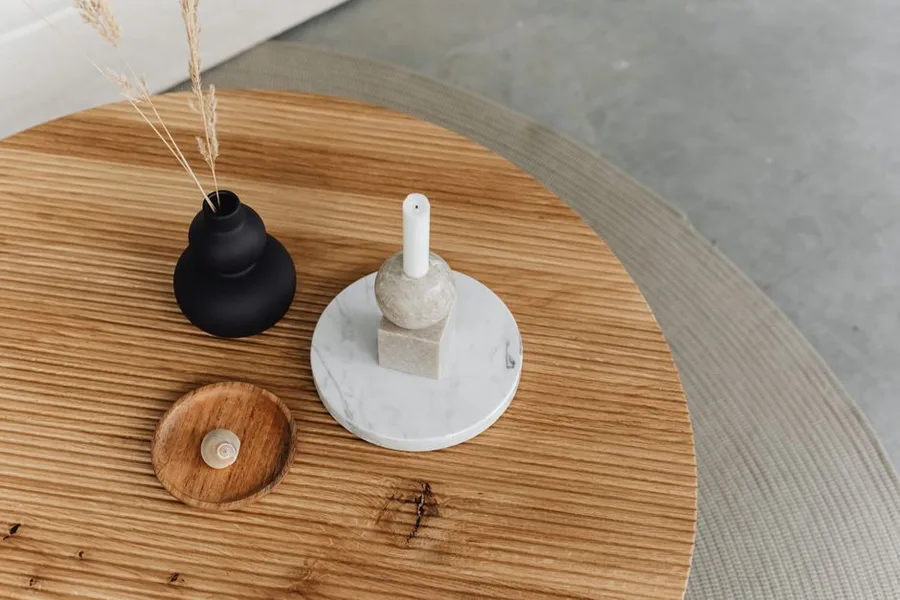
A coffee table is a low table typically placed in front of a sofa or seating area, designed to hold drinks, books, remotes, and decorative items. It serves both functional and aesthetic purposes, anchoring the living room and providing a convenient surface. In 2026, coffee tables come in various materials, shapes, and sizes, and choosing the right one depends on your space, lifestyle, and style preferences. This guide explains everything you need to know.
What Is a Coffee Table?
A coffee table is a low table, usually between 12 and 18 inches high, positioned within easy reach of seating. Its primary purpose is to offer a surface for everyday items like beverages, snacks, books, magazines, and remote controls. Beyond function, it acts as a visual centerpiece, tying together the room’s design. Whether wood, glass, metal, or upholstered, the coffee table is a staple in most living rooms, contributing to both comfort and style.
Why Does the Coffee Table Matter?
According to a 2025 survey by the American Home Furnishings Alliance, 78% of living rooms in the U.S. include a coffee table, making it one of the most common furniture pieces. Its importance lies in its dual role: practicality and aesthetics. A well-chosen coffee table can define the seating area, provide storage, and even become a conversation starter. It also influences traffic flow, so selecting the right size and shape is crucial for functionality and safety.
Who Is This For?
This guide is for anyone furnishing a living room, whether you’re a first-time renter, a homeowner redecorating, or an interior design enthusiast. It’s also useful for those looking to replace an existing table or simply understand the role of this furniture piece. If you’re confused by the variety of options available in 2026, this plain-English introduction will help you make informed decisions.
What Are the Common Types of Coffee Tables?
Coffee tables come in several types, each suited to different needs. The most common are:
- Standard coffee tables: The classic rectangular or square table, typically wood or wood-look, offering a flat surface and sometimes a lower shelf.
- Lift-top coffee tables: These have a hinged top that lifts and slides toward you, converting into a work surface or dining spot. They often feature hidden storage underneath.
- Storage coffee tables: Designed with drawers, shelves, or cubbies to keep items organized and out of sight.
- Nesting tables: A set of two or three tables that can be stacked together or separated for extra surface space when needed.
- Ottoman coffee tables: Upholstered, soft tables that double as footrests or extra seating. Some have a hard tray on top for stability.
- Glass coffee tables: A glass top supported by metal, wood, or other materials, creating a lighter, more open look.
- Sculptural or accent tables: Unique shapes and materials that serve as artistic statements.
According to Statista’s 2026 Furniture Market Report, lift-top tables have seen a 15% increase in sales over the past year, reflecting a growing demand for multifunctional furniture.
What Materials Are Used?
Coffee tables are crafted from various materials, each with its own benefits:
- Wood: Durable, warm, and timeless. Hardwoods like oak and walnut are popular, but engineered woods offer affordability.
- Glass: Provides a sleek, modern look and makes small spaces feel larger. Tempered glass is safer and more durable.
- Metal: Often used for legs or frames, offering an industrial or contemporary vibe. Metals like steel and brass are common.
- Marble and stone: Luxurious and heat-resistant, but heavy and prone to staining. They require sealing.
- Upholstered: Fabric or leather tops add softness and comfort, but are less durable against spills.
- Mixed materials: Combinations like wood and metal or glass and steel provide design flexibility.
According to the 2026 Interior Design Trends Report by the American Society of Interior Designers, mixed-material tables are the most popular choice, appearing in 34% of newly furnished living rooms.
How Do You Choose the Right Size?
Choosing the right size involves measuring your space. The table should be roughly the length of your sofa (about two-thirds to three-quarters of its length) and no higher than the seat height of your sofa. Ideally, it should be within 14 to 18 inches from the sofa to allow easy reach. For small rooms, a round or oval table can maximize space. For large rooms, a longer rectangular table may work better. A 2026 guide from the National Kitchen and Bath Association suggests a clearance of at least 18 inches around the table for comfortable movement.
How Does Shape Affect the Room?
Shape impacts both function and style:
- Rectangular: The most common, fitting well with sofas and long seating areas.
- Square: Great for square sofas or to create a symmetrical look.
- Round: Softens sharp corners, ideal for small spaces or homes with children, as it reduces injury risk.
- Oval: Combines the length of a rectangle with the safety of a round table.
According to a 2025 survey by the Interior Design Society, round tables are preferred by 42% of households with young children for safety reasons.
What Are the Latest Trends for 2026?
In 2026, coffee table trends focus on sustainability, multifunctionality, and natural materials. Reclaimed wood and eco-friendly finishes are increasingly popular, with 61% of buyers prioritizing sustainable materials, according to the 2026 Global Furniture Sustainability Index. Lift-top and storage tables are in demand for small-space living. Additionally, sculptural and asymmetrical designs are trending, adding a unique artistic element to living rooms. According to the 2026 Home Decor Trends Report by the International Furnishings and Design Association, 38% of designers report using mixed materials and 29% incorporate multifunctional features.
How Do You Care for and Maintain a Coffee Table?
Proper care extends the life of your table. For wood, use coasters and felt pads, and clean with a damp cloth. Avoid harsh chemicals. Glass tables require regular glass cleaner to avoid smudges. Metal frames may need occasional polishing to prevent rust. Stone surfaces should be sealed periodically. Always follow the manufacturer’s instructions. A 2025 study by the Furniture Care Institute found that regular maintenance can increase a table’s lifespan by up to 10 years.
What Are the Key Considerations Before Buying?
Before purchasing, consider your lifestyle: Do you have kids or pets? Do you need storage? What is your budget? Measure your space and think about the table’s primary use. Also, consider the style of your existing decor. A 2026 consumer report by the Better Furniture Bureau suggests that 70% of buyers regret not considering storage needs, so plan accordingly.
Now That You Understand the Basics
Now that you understand the basics of coffee tables, you can confidently explore options that fit your space and style. Remember to prioritize function, size, and material. For more detailed guidance, check out our related articles on choosing living room furniture and maximizing small spaces.
Key Takeaways
- A coffee table is a low table for drinks, books, and decor.
- It serves both practical and aesthetic purposes.
- Types include standard, lift-top, storage, nesting, ottoman, glass, and sculptural.
- Materials range from wood and glass to marble and upholstered.
- Size and shape affect functionality and room feel.
- Trends in 2026 include sustainability and multifunctionality.
- Proper care extends the table’s life.
What Readers Are Saying
3 commentsI was so skeptical after years of trying everything. But 3 months in and I've lost 22 lbs. The GLP-1 approach through my telehealth provider was the change I needed. Wish I'd found this a year ago.
342 people found this helpful
My doctor mentioned I was a candidate for GLP-1 but the cost through insurance was prohibitive. Found a telehealth option for under $200/month which is a game-changer.
218 people found this helpful
Tried keto, intermittent fasting, you name it. The biological approach finally made things click. Down 18 lbs in 8 weeks and my energy is back.
156 people found this helpful
Based on this article
Why Diets Keep Failing You
Compounded Tirzepatide and Semaglutide deliver the same active ingredients as Ozempic and Mounjaro — through telehealth platforms for a fraction of the brand-name cost
Top pick: Gala · Starting at $179/mo — lowest price in the US
Related Solution Guides
Why Diets Keep Failing You — And the Prescription That Produces 15–22% Weight Loss Without $1,500/Month Ozempic
Compounded Tirzepatide and Semaglutide deliver the same active ingredients as Ozempic and Mounjaro — through telehealth platforms for a fraction of the brand-name cost
You've Tried to Quit Vaping. Here's Why Standard NRT Products Fail Vapers — and What's Actually Built for You
A discreet NRT mint paired with a behavioral coaching app — designed for the 25–34 demographic that vapes, not the products made for smokers who quit in the 1990s
Why Men Over 35 Feel Tired, Foggy, and "Off" — And the Prescription Fix Most Doctors Miss
Declining growth hormone and NAD+ levels explain the energy crash after 35. Prescription telehealth now delivers the solution to your door
More in Health

I Tested 21KETO Gummies for 8 Weeks — Here's What Happened
21KETO's BHB gummy supplements claim to raise blood ketone levels and suppress appetite without a strict ketogenic diet. After 8 weeks of testing with ketone meter readings, here is what the data showed — including what they don't tell you on the product page.

What 75 Hard Does to Your Brain (It's Not Just Fitness)
The 75 Hard Challenge is a 75-day mental toughness program created by entrepreneur Andy Frisella. Participants must follow five daily tasks:

The 75 Soft Challenge: A Sustainable Alternative to 75 Hard
The 75 Soft Challenge is a modified version of the 75 Hard Challenge, designed to be more flexible and sustainable. While exact rules vary,