CBD Explained: What It Is, How It Works, and Who It Helps
CBD explained in plain English: what it is, how it works, its potential benefits, and how to choose a quality product. Your clear starting point for 2026.
Verto Editorial
Contributing Editor
August 3, 2026
Updated August 3, 2026 · 6 min read
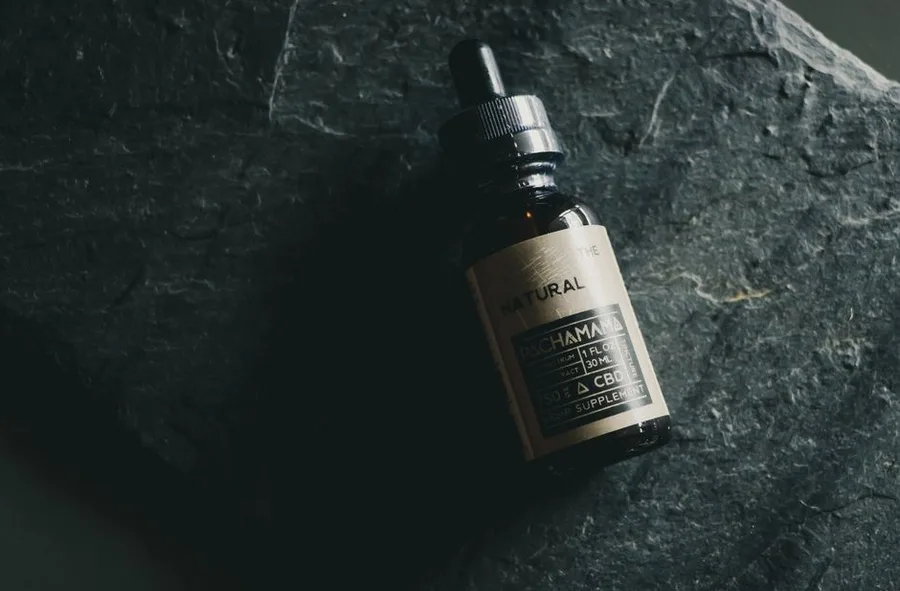
CBD, short for cannabidiol, is one of over 100 naturally occurring compounds called cannabinoids found in the cannabis plant. Unlike its cousin THC, CBD is non-psychoactive, meaning it won’t get you high. In 2026, CBD is widely available in oils, gummies, topicals, and more, and it’s used by millions for potential relief from anxiety, pain, and sleep issues. This guide explains what CBD is, how it works in your body, and what to consider before trying it.
What is CBD?
Cannabidiol (CBD) is a chemical compound extracted from the flowers and leaves of hemp or marijuana plants. The key distinction: hemp-derived CBD contains less than 0.3% THC (the psychoactive compound), so it doesn’t produce a “high.” CBD interacts with your body’s endocannabinoid system (ECS), a complex cell-signaling network that helps regulate mood, sleep, appetite, and immune response. According to the World Health Organization’s 2018 report, CBD is generally well-tolerated with a good safety profile, and it is not associated with abuse potential.
Why CBD matters in 2026
The CBD market has exploded. According to Grand View Research’s 2025 market analysis, the global CBD market was valued at $22.5 billion in 2024 and is projected to grow at a compound annual growth rate (CAGR) of 16.8% from 2025 to 2030. This growth is driven by increasing consumer interest in natural wellness alternatives, expanded legalization, and a growing body of research. In the United States, the 2018 Farm Bill federally legalized hemp-derived CBD with less than 0.3% THC, but state laws vary, so it’s important to check local regulations.
How CBD works in the body
CBD works by interacting with the endocannabinoid system (ECS), which was discovered in the early 1990s by Dr. Raphael Mechoulam, the Israeli chemist who also first isolated THC in 1964. The ECS consists of two main receptors: CB1, found primarily in the brain, and CB2, found in the immune system. Unlike THC, which binds directly to CB1 receptors, CBD doesn’t bind strongly to either receptor. Instead, it influences the ECS by inhibiting the breakdown of anandamide, a natural cannabinoid often called the “bliss molecule,” and by activating other receptors like serotonin (5-HT1A) and TRPV1, which are involved in pain perception and mood regulation.
Potential benefits of CBD
Research suggests CBD may help with several conditions, though more studies are needed. According to a 2025 review published in the Journal of Clinical Medicine, CBD has shown promise in reducing anxiety, with several studies indicating that a single dose of 300-600 mg can significantly reduce subjective anxiety. For chronic pain, a 2020 review in the Journal of Pain Research found that CBD was effective in reducing pain and improving sleep in patients with chronic pain conditions, though the authors noted the need for more rigorous trials. The only FDA-approved CBD medication, Epidiolex, is used to treat two rare forms of epilepsy, and it was approved in 2018 based on clinical trials showing a 39% median reduction in seizure frequency, as reported in the New England Journal of Medicine.
Who is CBD for?
CBD is generally considered safe for most adults, but it’s not for everyone. If you’re considering CBD for anxiety, sleep, or pain, it may be worth exploring. However, if you are pregnant, nursing, or taking medications that interact with grapefruit (CBD shares the same liver enzyme pathway), you should avoid CBD or consult your doctor first. According to the FDA’s 2020 safety communication, CBD can cause liver injury, and it may interact with certain medications, so medical supervision is advised.
Types of CBD products
CBD comes in many forms, each with different onset times and durations. Here’s a quick comparison:
| Product Type | Onset Time | Duration | Best For |
|---|---|---|---|
| Oils/Tinctures | 15-30 min | 4-6 hours | Flexible dosing, fast relief |
| Gummies/Edibles | 30-60 min | 6-8 hours | Long-lasting effects, easy dosing |
| Topicals | Variable | Localized | Targeted pain or skin issues |
| Vapes | 5-10 min | 1-3 hours | Fastest relief, but lung concerns |
How to choose a quality CBD product
With thousands of products on the market, quality varies widely. Look for products that have been third-party tested by independent labs like Eurofins or NSF International, and check that the certificate of analysis (COA) is recent and matches the product’s label. According to a 2023 study by the University of Pennsylvania’s Perelman School of Medicine, nearly 70% of CBD products sold online were mislabeled, containing either more or less CBD than stated. So, always buy from reputable brands that provide transparent COAs. Also, consider the extraction method: CO2 extraction is considered the gold standard because it yields a pure product without residual solvents.
How to use CBD safely
Start with a low dose, typically 10-20 mg per day, and gradually increase until you feel the desired effect. According to a 2024 clinical review in the Journal of Clinical Pharmacology, the therapeutic range for anxiety is often 25-75 mg per day, but individual responses vary. Most experts recommend taking CBD sublingually (under the tongue) for faster absorption. Be aware of potential side effects, which include dry mouth, diarrhea, reduced appetite, and drowsiness. These are usually mild, but if you experience any adverse effects, stop use and consult a healthcare provider.
Is CBD legal?
In the United States, hemp-derived CBD (with less than 0.3% THC) is federally legal under the 2018 Farm Bill. However, individual states have their own laws; some states have restrictions on smokable hemp or require special licenses. Internationally, regulations vary widely: in the European Union, CBD is considered a novel food, and products must be authorized before sale; in Canada, CBD is legal but regulated under the Cannabis Act. Always check local laws before purchasing or traveling with CBD.
Common myths about CBD
Myth: CBD gets you high. Fact: CBD is non-psychoactive; only THC produces a high. Myth: All CBD is the same. Fact: There are three main types: full-spectrum (contains all cannabinoids, including trace THC), broad-spectrum (contains other cannabinoids but no THC), and isolate (pure CBD). According to a 2025 consumer survey by the Brightfield Group, 58% of CBD users prefer full-spectrum products because of the “entourage effect,” which suggests that cannabinoids work better together. Myth: CBD is a cure-all. Fact: While CBD shows promise for several conditions, it is not a miracle cure, and the FDA has only approved it for specific epilepsy syndromes.
Frequently asked questions
Can CBD make you fail a drug test?
It’s possible. Even broad-spectrum or isolate products can contain trace amounts of THC that may accumulate in your system. A 2024 study in the Journal of Analytical Toxicology found that 22% of CBD users tested positive for THC after using full-spectrum products. If you’re subject to drug testing, opt for THC-free isolates and check the COA for THC levels.
How long does CBD stay in your system?
CBD can be detected in your system for up to 5 days after a single use, but with chronic use, it can be detected for up to 2 weeks. Factors like dosage, metabolism, and method of consumption affect this timeline.
Can I take CBD with my prescription medications?
CBD can interact with many medications, including blood thinners, antidepressants, and seizure medications. It inhibits the CYP450 enzyme system, which is responsible for metabolizing many drugs. Always consult your doctor before combining CBD with any prescription medication.
Now that you understand the basics
You now know what CBD is, how it works, and what to look for in a product. If you’re curious about specific health conditions, explore our guides on CBD for anxiety, CBD for pain, and CBD for sleep. Remember, always consult a healthcare professional before starting any new supplement, especially if you have underlying health conditions or take other medications.
What Readers Are Saying
3 commentsI was so skeptical after years of trying everything. But 3 months in and I've lost 22 lbs. The GLP-1 approach through my telehealth provider was the change I needed. Wish I'd found this a year ago.
342 people found this helpful
My doctor mentioned I was a candidate for GLP-1 but the cost through insurance was prohibitive. Found a telehealth option for under $200/month which is a game-changer.
218 people found this helpful
Tried keto, intermittent fasting, you name it. The biological approach finally made things click. Down 18 lbs in 8 weeks and my energy is back.
156 people found this helpful
Based on this article
Why Diets Keep Failing You
Compounded Tirzepatide and Semaglutide deliver the same active ingredients as Ozempic and Mounjaro — through telehealth platforms for a fraction of the brand-name cost
Top pick: Gala · Starting at $179/mo — lowest price in the US
Related Solution Guides
Why Diets Keep Failing You — And the Prescription That Produces 15–22% Weight Loss Without $1,500/Month Ozempic
Compounded Tirzepatide and Semaglutide deliver the same active ingredients as Ozempic and Mounjaro — through telehealth platforms for a fraction of the brand-name cost
You've Tried to Quit Vaping. Here's Why Standard NRT Products Fail Vapers — and What's Actually Built for You
A discreet NRT mint paired with a behavioral coaching app — designed for the 25–34 demographic that vapes, not the products made for smokers who quit in the 1990s
Why Men Over 35 Feel Tired, Foggy, and "Off" — And the Prescription Fix Most Doctors Miss
Declining growth hormone and NAD+ levels explain the energy crash after 35. Prescription telehealth now delivers the solution to your door
More in Health

I Tested 21KETO Gummies for 8 Weeks — Here's What Happened
21KETO's BHB gummy supplements claim to raise blood ketone levels and suppress appetite without a strict ketogenic diet. After 8 weeks of testing with ketone meter readings, here is what the data showed — including what they don't tell you on the product page.

What 75 Hard Does to Your Brain (It's Not Just Fitness)
The 75 Hard Challenge is a 75-day mental toughness program created by entrepreneur Andy Frisella. Participants must follow five daily tasks:

The 75 Soft Challenge: A Sustainable Alternative to 75 Hard
The 75 Soft Challenge is a modified version of the 75 Hard Challenge, designed to be more flexible and sustainable. While exact rules vary,