Carbonated Water Explained: Benefits, Types, and Risks
Discover what carbonated water is, how it's made, its health benefits and risks, and how it compares to still water. Your plain-English guide for 2026.
Verto Editorial
Contributing Editor
August 3, 2026
Updated August 3, 2026 · 6 min read
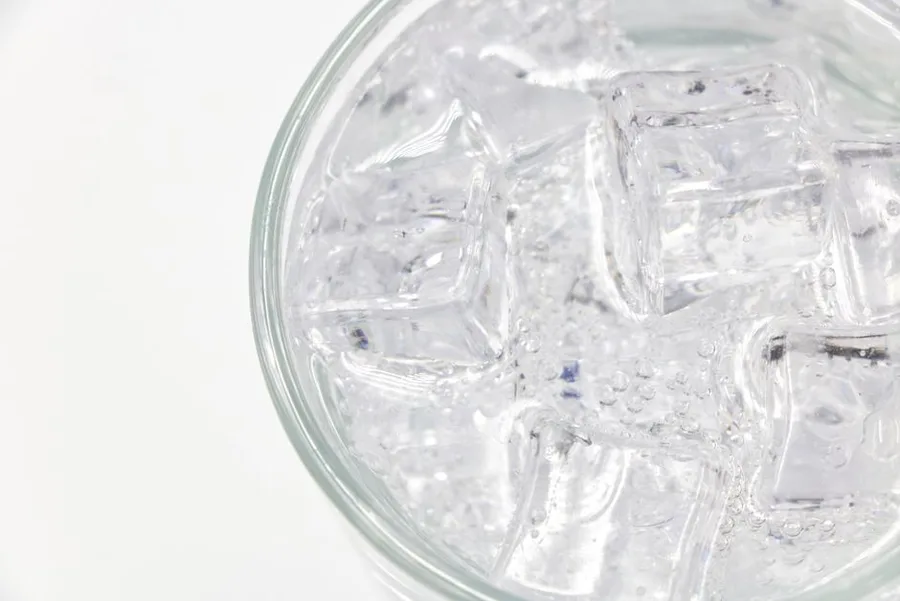
Carbonated water is water that has been infused with carbon dioxide gas under pressure, creating bubbles and a fizzy texture. It includes seltzer, club soda, sparkling mineral water, and tonic water, each with distinct mineral or flavor profiles. According to the U.S. Food and Drug Administration (FDA, 2023), carbonated water is generally recognized as safe, and it can be a healthy alternative to sugary drinks. This guide explains what carbonated water is, how it’s made, its potential health benefits and risks, and how it compares to still water, helping you decide if it’s right for you.
What Is Carbonated Water? A Simple Definition
Carbonated water is simply water that contains dissolved carbon dioxide gas, which creates the familiar fizz. The carbonation process can occur naturally, as in sparkling mineral water from springs, or artificially, by injecting CO2 under pressure. According to the International Bottled Water Association (IBWA, 2024), carbonated water is one of the fastest-growing beverage categories, with U.S. sales exceeding $10 billion in 2023.
How Is Carbonated Water Made?
There are two primary methods: natural carbonation, where water absorbs CO2 from underground sources, and forced carbonation, where CO2 is added mechanically. In both cases, the gas dissolves into the water, forming carbonic acid, which gives it a slightly tangy taste. According to a 2022 report by the Beverage Marketing Corporation, forced carbonation accounts for over 80% of commercial carbonated water production.
Types of Carbonated Water
Not all carbonated waters are the same. Here’s a breakdown of the most common types:
| Type | Key Characteristics | Common Uses |
|---|---|---|
| Seltzer | Plain, carbonated water, no added minerals or flavors | Drinking, mixing cocktails |
| Club Soda | Carbonated water with added minerals (e.g., sodium bicarbonate, potassium sulfate) | Cocktails, mocktails |
| Sparkling Mineral Water | Naturally carbonated, contains minerals like calcium and magnesium | Drinking, gourmet pairing |
| Tonic Water | Carbonated water with quinine and added sweeteners (sugar or high-fructose corn syrup) | Gin and tonic, mixed drinks |
| Flavored Sparkling Water | Carbonated water with natural or artificial flavors, no sweeteners | Healthy beverage alternative |
According to the National Institutes of Health (NIH, 2021), tonic water contains about 10 grams of sugar per 100 ml, making it significantly different from unsweetened carbonated waters.
Why Carbonated Water Matters for Your Health
Carbonated water offers a way to increase hydration and reduce sugar intake. According to the Centers for Disease Control and Prevention (CDC, 2023), nearly half of U.S. adults consume at least one sugary drink per day, contributing to obesity and type 2 diabetes. Replacing these with carbonated water can cut calories and added sugars, as noted by the American Heart Association (AHA, 2022).
Who Is This For?
This guide is for anyone curious about carbonated water, including those looking to reduce soda consumption, athletes seeking hydration alternatives, and individuals with digestive concerns. It’s also useful for parents wanting healthier drink options for their children. According to a 2023 survey by the International Food Information Council (IFIC), 45% of U.S. consumers are actively trying to reduce their sugar intake, making carbonated water an increasingly popular choice.
Health Benefits of Carbonated Water
Carbonated water can provide several health benefits when consumed as part of a balanced diet.
Hydration
Carbonated water is just as hydrating as still water. According to a 2020 study published in the Journal of Nutrition, there was no significant difference in hydration status between participants drinking still water and those drinking carbonated water. This means you can meet your daily fluid needs while enjoying the fizz.
Weight Management
Choosing carbonated water over sugary beverages can help reduce calorie intake. According to the Harvard T.H. Chan School of Public Health (2023), replacing one daily sugary drink with water or carbonated water can reduce annual calorie intake by up to 50,000 calories, aiding in weight management.
Digestion
Some people find that carbonated water helps with indigestion and constipation. According to a 2022 review in the Journal of Clinical Gastroenterology, carbonated water may improve dyspepsia symptoms and gallbladder emptying, although more research is needed.
Potential Risks and Side Effects
While generally safe, carbonated water can cause issues for some individuals.
Dental Health
Carbonated water is slightly acidic due to carbonic acid. According to the American Dental Association (ADA, 2021), plain carbonated water has a pH around 3-4, which can erode tooth enamel over time, especially if consumed frequently. However, the ADA notes that unsweetened carbonated water is still less harmful than sugary sodas.
Digestive Discomfort
Carbonation can cause bloating, gas, and burping. According to the National Institute of Diabetes and Digestive and Kidney Diseases (NIDDK, 2020), individuals with irritable bowel syndrome (IBS) may experience worsened symptoms. If you have a sensitive stomach, you may want to limit intake.
Carbonated Water vs. Still Water: Which Is Better?
Both are excellent for hydration, but they have differences.
| Aspect | Carbonated Water | Still Water |
|---|---|---|
| Hydration | Equally hydrating (Journal of Nutrition, 2020) | Equally hydrating |
| Satiety | May increase fullness (AHA, 2022) | No effect |
| Dental health | Slightly acidic, can erode enamel (ADA, 2021) | Neutral pH, safe for teeth |
| Digestive effects | May cause bloating in sensitive individuals | Generally no effect |
| Calorie content | Zero (if unsweetened) | Zero |
According to the World Health Organization (WHO, 2023), both plain water and unsweetened carbonated water are recommended as healthy beverage choices, emphasizing that the best choice is the one you’ll drink more of.
Common Misconceptions About Carbonated Water
Some myths persist about carbonated water.
Does Carbonated Water Cause Bone Loss?
This is a common myth. According to a 2021 study in the American Journal of Clinical Nutrition, there was no association between carbonated water consumption and decreased bone mineral density. In fact, some mineral waters may provide calcium, which is beneficial for bones.
Is Carbonated Water as Healthy as Still Water?
Yes, for hydration purposes. According to the U.S. Department of Agriculture (USDA, 2022), both are equally effective at maintaining fluid balance. The key is to avoid added sugars and artificial sweeteners.
How to Choose the Right Carbonated Water
When selecting a carbonated water, check the label.
- Check for added sugars: Tonic water and some flavored sparkling waters contain added sugar. According to the FDA (2023), a 12-ounce serving of tonic water can contain up to 32 grams of sugar.
- Look for natural minerals: Sparkling mineral waters often contain beneficial minerals like calcium and magnesium. According to the National Institutes of Health (NIH, 2021), these minerals can contribute to your daily intake.
- Avoid artificial sweeteners: Some diet carbonated waters use artificial sweeteners, which may have health concerns. According to the American Cancer Society (2022), the evidence on long-term effects is mixed, so moderation is key.
Frequently Asked Questions
Is carbonated water bad for your kidneys?
No, there is no evidence that carbonated water harms kidneys. According to the National Kidney Foundation (2023), carbonated water is safe for kidney health, provided it does not contain added phosphorus or potassium, which can be problematic for people with kidney disease.
Can carbonated water help you lose weight?
Yes, if it replaces sugary drinks. According to the Harvard T.H. Chan School of Public Health (2023), swapping a daily soda for carbonated water can save up to 50,000 calories annually, which can lead to weight loss over time.
Does carbonated water cause acid reflux?
It can, for some people. According to the American College of Gastroenterology (2022), the carbonation can increase stomach pressure, potentially worsening reflux. If you have GERD, you may want to limit carbonated beverages.
Now That You Understand the Basics
Now that you understand what carbonated water is, its benefits and risks, you can make an informed choice. Explore our related guides on hydration and healthy beverages to continue your learning. Visit our hydration basics or understanding beverage labels pages for more information.
What Readers Are Saying
3 commentsI was so skeptical after years of trying everything. But 3 months in and I've lost 22 lbs. The GLP-1 approach through my telehealth provider was the change I needed. Wish I'd found this a year ago.
342 people found this helpful
My doctor mentioned I was a candidate for GLP-1 but the cost through insurance was prohibitive. Found a telehealth option for under $200/month which is a game-changer.
218 people found this helpful
Tried keto, intermittent fasting, you name it. The biological approach finally made things click. Down 18 lbs in 8 weeks and my energy is back.
156 people found this helpful
Based on this article
Why Diets Keep Failing You
Compounded Tirzepatide and Semaglutide deliver the same active ingredients as Ozempic and Mounjaro — through telehealth platforms for a fraction of the brand-name cost
Top pick: Gala · Starting at $179/mo — lowest price in the US
Related Solution Guides
Why Diets Keep Failing You — And the Prescription That Produces 15–22% Weight Loss Without $1,500/Month Ozempic
Compounded Tirzepatide and Semaglutide deliver the same active ingredients as Ozempic and Mounjaro — through telehealth platforms for a fraction of the brand-name cost
You've Tried to Quit Vaping. Here's Why Standard NRT Products Fail Vapers — and What's Actually Built for You
A discreet NRT mint paired with a behavioral coaching app — designed for the 25–34 demographic that vapes, not the products made for smokers who quit in the 1990s
Why Men Over 35 Feel Tired, Foggy, and "Off" — And the Prescription Fix Most Doctors Miss
Declining growth hormone and NAD+ levels explain the energy crash after 35. Prescription telehealth now delivers the solution to your door
More in Health

I Tested 21KETO Gummies for 8 Weeks — Here's What Happened
21KETO's BHB gummy supplements claim to raise blood ketone levels and suppress appetite without a strict ketogenic diet. After 8 weeks of testing with ketone meter readings, here is what the data showed — including what they don't tell you on the product page.

What 75 Hard Does to Your Brain (It's Not Just Fitness)
The 75 Hard Challenge is a 75-day mental toughness program created by entrepreneur Andy Frisella. Participants must follow five daily tasks:

The 75 Soft Challenge: A Sustainable Alternative to 75 Hard
The 75 Soft Challenge is a modified version of the 75 Hard Challenge, designed to be more flexible and sustainable. While exact rules vary,