Canned Water Explained: Benefits, Costs, and Environmental Impact
Discover what canned water is, how it compares to bottled water, its environmental impact, costs, and safety in this plain-English guide for 2026.
Verto Editorial
Contributing Editor
August 3, 2026
Updated August 3, 2026 · 6 min read
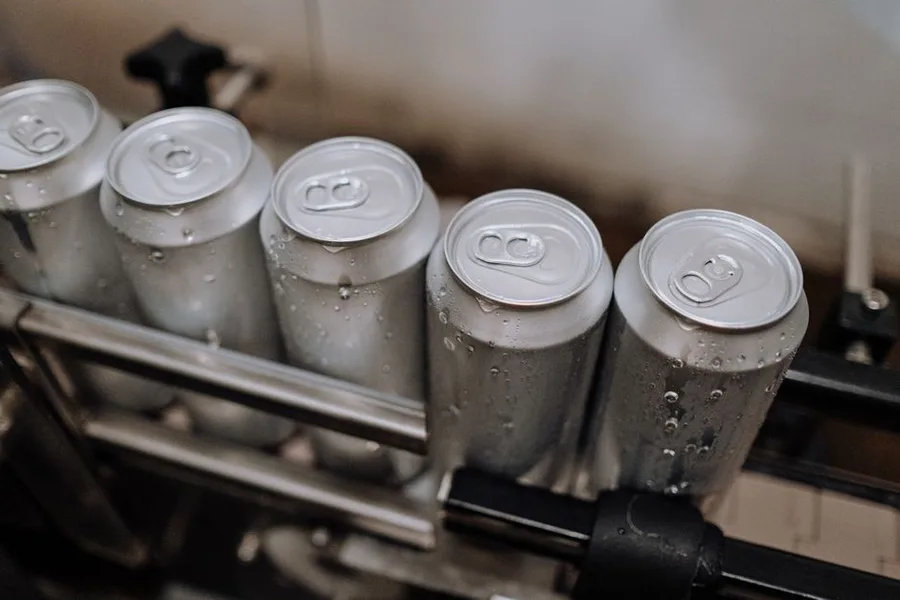
Canned water is drinking water packaged in aluminum cans, offering a more sustainable alternative to plastic bottles. In 2026, it has become a popular choice for eco-conscious consumers, with brands emphasizing recyclability and lower carbon footprints. This guide explains what canned water is, how it compares to bottled water, its environmental impact, costs, safety, and who it’s best for.
What Is Canned Water and Why Does It Matter?
Canned water is simply water sealed in aluminum cans, often with a thin plastic or BPA-free liner. It matters because aluminum cans have a significantly higher recycling rate than plastic bottles—according to the Aluminum Association, the recycling rate for aluminum cans in the U.S. was 57.4% in 2023, compared to about 29% for PET plastic bottles. This makes canned water a more circular option, reducing plastic waste and supporting a lower-carbon footprint.
Who Is This Guide For?
This guide is for anyone curious about canned water: eco-conscious consumers, event planners, outdoor enthusiasts, and businesses looking to reduce plastic use. Whether you’re considering switching from bottled water or just want to understand the trend, this guide provides the facts you need.
How Is Canned Water Different from Bottled Water?
The primary difference lies in the packaging material: aluminum versus plastic. Aluminum cans are infinitely recyclable without loss of quality, while plastic bottles degrade and are often downcycled. Canned water typically has a longer shelf life due to the impermeable barrier, and it may taste different—some prefer the absence of plastic taste. However, cans are heavier and less portable than plastic bottles, and they may not be suitable for all situations.
Key Differences at a Glance
| Feature | Canned Water | Bottled Water |
|---|---|---|
| Material | Aluminum | PET plastic |
| Recycling rate (U.S., 2023) | 57.4% (Aluminum Association) | ~29% (EPA) |
| Shelf life | Longer (up to 2+ years) | Shorter (1-2 years) |
| Taste | Neutral, no plastic taste | May have plastic taste |
| Weight | Heavier | Lighter |
| Portability | Less portable | More portable |
| Cost per liter | $1.50-$3.00 | $0.50-$2.00 |
What Are the Environmental Benefits of Canned Water?
Canned water offers significant environmental advantages over plastic bottles. Aluminum cans are made from 73% recycled content on average, according to the Aluminum Association’s 2023 report. Recycling aluminum saves 95% of the energy required to produce new aluminum, as noted by the U.S. Environmental Protection Agency (EPA). This results in a lower carbon footprint—a lifecycle assessment by the International Aluminium Institute (2021) found that aluminum cans have a lower global warming potential than PET bottles in regions with high recycling rates.
How Much Does Canned Water Cost?
Canned water generally costs more than bottled water, with prices ranging from $1.50 to $3.00 per liter, depending on brand and location. This premium reflects the higher cost of aluminum and the smaller scale of production. However, as demand grows, economies of scale may reduce prices. According to a 2024 market analysis by Grand View Research, the canned water market is projected to grow at a CAGR of 8.5% from 2025 to 2030, which could lead to more competitive pricing.
Is Canned Water Safe to Drink?
Yes, canned water is safe. The U.S. Food and Drug Administration (FDA) regulates canned water as a packaged food product, requiring it to meet the same safety standards as bottled water. The aluminum cans are lined with a food-grade coating to prevent reaction with the water. In 2022, the FDA banned the use of BPA in can linings due to health concerns, so most cans are now BPA-free. Additionally, the Environmental Protection Agency (EPA) sets drinking water quality standards that apply to all public water systems, including those used for canned water.
What Are the Downsides of Canned Water?
Despite its benefits, canned water has drawbacks. The cans are heavier and bulkier, making them less convenient for on-the-go use. They also have a higher upfront environmental cost—mining and processing bauxite for aluminum is energy-intensive, though recyclability offsets this over time. Some consumers report a metallic taste if the liner is damaged, though this is rare. Finally, canned water is more expensive, which may be a barrier for budget-conscious buyers.
How Does Canned Water Fit into a Sustainable Lifestyle?
Canned water is a step toward reducing single-use plastic, but it’s not a perfect solution. For maximum sustainability, experts recommend reusable bottles filled with tap water. However, when single-use is necessary, canned water is a better choice than plastic due to its higher recycling rate and lower environmental impact. According to a 2023 report by the World Wildlife Fund (WWF), switching from plastic to aluminum could reduce packaging waste by up to 60% in certain scenarios.
What Is the Future of Canned Water?
The future of canned water looks promising. Major beverage companies are investing in aluminum packaging, and new brands are emerging. The market is expected to grow significantly, driven by consumer demand for sustainable options. Innovations in can design, such as resealable lids and lighter materials, are also on the horizon. According to the Can Manufacturers Institute (2024), the use of aluminum cans for water has increased by 20% in the past two years, indicating a strong trend.
Now That You Understand the Basics
You now have a solid understanding of what canned water is, its benefits, costs, and environmental impact. If you’re considering making a switch, weigh the pros and cons based on your lifestyle. For more in-depth comparisons, explore our guides on bottled water vs. tap water and sustainable packaging options.
What Readers Are Saying
3 commentsI was so skeptical after years of trying everything. But 3 months in and I've lost 22 lbs. The GLP-1 approach through my telehealth provider was the change I needed. Wish I'd found this a year ago.
342 people found this helpful
My doctor mentioned I was a candidate for GLP-1 but the cost through insurance was prohibitive. Found a telehealth option for under $200/month which is a game-changer.
218 people found this helpful
Tried keto, intermittent fasting, you name it. The biological approach finally made things click. Down 18 lbs in 8 weeks and my energy is back.
156 people found this helpful
Based on this article
Why Diets Keep Failing You
Compounded Tirzepatide and Semaglutide deliver the same active ingredients as Ozempic and Mounjaro — through telehealth platforms for a fraction of the brand-name cost
Top pick: Gala · Starting at $179/mo — lowest price in the US
Related Solution Guides
Why Diets Keep Failing You — And the Prescription That Produces 15–22% Weight Loss Without $1,500/Month Ozempic
Compounded Tirzepatide and Semaglutide deliver the same active ingredients as Ozempic and Mounjaro — through telehealth platforms for a fraction of the brand-name cost
You've Tried to Quit Vaping. Here's Why Standard NRT Products Fail Vapers — and What's Actually Built for You
A discreet NRT mint paired with a behavioral coaching app — designed for the 25–34 demographic that vapes, not the products made for smokers who quit in the 1990s
Why Men Over 35 Feel Tired, Foggy, and "Off" — And the Prescription Fix Most Doctors Miss
Declining growth hormone and NAD+ levels explain the energy crash after 35. Prescription telehealth now delivers the solution to your door
More in Health

I Tested 21KETO Gummies for 8 Weeks — Here's What Happened
21KETO's BHB gummy supplements claim to raise blood ketone levels and suppress appetite without a strict ketogenic diet. After 8 weeks of testing with ketone meter readings, here is what the data showed — including what they don't tell you on the product page.

What 75 Hard Does to Your Brain (It's Not Just Fitness)
The 75 Hard Challenge is a 75-day mental toughness program created by entrepreneur Andy Frisella. Participants must follow five daily tasks:

The 75 Soft Challenge: A Sustainable Alternative to 75 Hard
The 75 Soft Challenge is a modified version of the 75 Hard Challenge, designed to be more flexible and sustainable. While exact rules vary,