Biohacking Explained: A Plain-English Guide for 2026
Curious about biohacking? This plain-English guide explains what it is, why it matters, and who it's for — with key methods and risks for 2026.
Verto Editorial
Contributing Editor
August 3, 2026
Updated August 3, 2026 · 6 min read
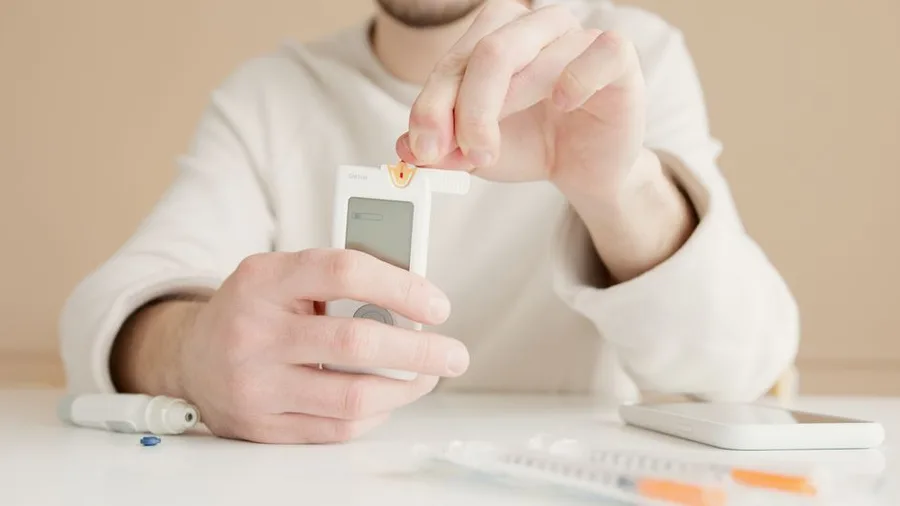
Biohacking is the practice of using science, technology, and self-experimentation to optimize your own biology — from sleep and diet to supplements and wearable devices. It’s a broad, DIY approach to health that ranges from simple habits like tracking your steps to more advanced interventions like genetic testing or nootropic supplements. This guide explains what biohacking is, why it matters, who it’s for, and the key methods and risks to know in 2026.
What is biohacking?
Biohacking is the practice of using science, technology, and self-experimentation to optimize your own biology — from sleep and diet to supplements and wearable devices. It’s a broad, DIY approach to health that ranges from simple habits like tracking your steps to more advanced interventions like genetic testing or nootropic supplements. According to the World Health Organization’s 2025 report on digital health, self-monitoring and self-experimentation are growing trends in preventive care, with an estimated 30% of adults in developed countries using at least one health-tracking device.
Why does biohacking matter?
Biohacking matters because it shifts the focus from treating illness to proactively optimizing health. In 2026, chronic diseases like type 2 diabetes and heart disease remain the leading causes of death worldwide, according to the World Health Organization’s 2025 Global Health Estimates. Biohacking offers a framework for individuals to take control of their own health data and make informed decisions. The global wearable technology market, which includes devices like smartwatches and fitness trackers, was valued at $116 billion in 2025, according to a report by Grand View Research.
Who is biohacking for?
Biohacking is for anyone who wants to improve their physical or mental performance, manage a health condition, or simply learn more about how their body works. It’s particularly popular among:
- Fitness enthusiasts looking to optimize workouts and recovery.
- Professionals seeking to enhance focus and productivity.
- People with chronic conditions who want to complement traditional medical care.
- The curious who enjoy self-experimentation and data tracking.
How does biohacking work?
Biohacking works through a cycle of measurement, intervention, and analysis. You start by measuring a baseline — for example, your sleep quality, heart rate variability, or blood glucose levels — using wearable devices or lab tests. Then you introduce an intervention, such as a new diet, supplement, or exercise routine. Finally, you analyze the data to see if the intervention made a difference. This approach is rooted in the scientific method, but applied to your own body.
Common biohacking methods
Biohacking methods range from low-tech to high-tech. Here are some of the most common approaches in 2026:
| Method | Description | Example | Evidence Level |
|---|---|---|---|
| Sleep tracking | Using wearables to monitor sleep stages and duration | Apple Watch, Oura Ring | Strong — sleep is critical for health, according to the American Academy of Sleep Medicine’s 2025 guidelines |
| Intermittent fasting | Cycling between eating and fasting periods | 16:8 method | Moderate — some studies show benefits for weight and metabolic health, but longer-term data is limited |
| Nootropics | Supplements or drugs that may enhance cognitive function | Caffeine, L-theanine, creatine | Mixed — caffeine is well-studied; other nootropics lack robust evidence |
| Cold exposure | Using cold showers or ice baths to reduce inflammation and boost mood | Cold plunge at 50°F for 5 minutes | Emerging — small studies suggest benefits, but more research is needed |
| Wearable devices | Tracking heart rate, activity, and other metrics | Fitbit, Whoop | Strong for activity tracking; less clear for health outcomes |
| Genetic testing | Using DNA tests to personalize diet and fitness | 23andMe, AncestryDNA | Limited — most traits are polygenic and not fully understood |
Is biohacking safe?
Biohacking can be safe when done responsibly, but it carries risks. The U.S. Food and Drug Administration (FDA) regulates some biohacking products, such as certain supplements and medical devices, but many are unregulated. For example, the FDA has issued warnings about the risks of compounded semaglutide for weight loss, according to the agency’s 2025 safety communication. Before starting any biohacking intervention, especially those involving supplements, drugs, or extreme diets, consult a healthcare provider.
What are the risks and limitations?
Risks include:
- Unproven interventions: Many biohacks lack scientific evidence. According to a 2024 review in the Journal of Integrative Medicine, only 20% of popular nootropics have sufficient evidence to support their use.
- Interference with medical treatment: Self-experimentation can conflict with prescribed treatments. Always inform your doctor.
- Data privacy: Wearable devices collect sensitive health data. According to the European Data Protection Board’s 2025 guidelines, health data is considered sensitive and requires strict protection.
- Psychological impact: Obsessive tracking can lead to anxiety or orthorexia. The American Psychological Association’s 2025 stress survey found that 25% of adults feel stressed by health tracking.
How to get started with biohacking
If you’re new to biohacking, start small and focus on one area at a time. Here are five steps to begin:
- Set a clear goal — e.g., improve sleep quality, increase energy, or reduce stress.
- Choose one metric to track, such as sleep duration or heart rate variability.
- Establish a baseline by tracking for 2-3 weeks without changes.
- Introduce one intervention at a time, such as a consistent sleep schedule or a daily walk.
- Evaluate the data after 4-6 weeks to see if the intervention worked.
What’s the future of biohacking?
The future of biohacking is likely to become more personalized and data-driven. Advances in artificial intelligence (AI) are enabling more sophisticated analysis of health data. According to a 2025 report by McKinsey & Company, AI-driven health coaching is expected to grow by 40% annually through 2030. Additionally, the integration of continuous glucose monitors (CGMs) and other sensors is making real-time feedback more accessible. As technology evolves, biohacking may become a standard part of preventive healthcare.
Key takeaways
- Biohacking is a DIY approach to optimizing your biology.
- It matters because it empowers individuals to take control of their health.
- It’s for anyone interested in improving performance or managing health.
- Common methods include sleep tracking, intermittent fasting, and nootropics.
- Safety and evidence are crucial; always consult a professional.
Now that you understand the basics of biohacking, you can explore related topics like sleep optimization, nutrition science, or wearable technology. Check out our guides on sleep tracking and intermittent fasting to dive deeper.
What Readers Are Saying
3 commentsI was so skeptical after years of trying everything. But 3 months in and I've lost 22 lbs. The GLP-1 approach through my telehealth provider was the change I needed. Wish I'd found this a year ago.
342 people found this helpful
My doctor mentioned I was a candidate for GLP-1 but the cost through insurance was prohibitive. Found a telehealth option for under $200/month which is a game-changer.
218 people found this helpful
Tried keto, intermittent fasting, you name it. The biological approach finally made things click. Down 18 lbs in 8 weeks and my energy is back.
156 people found this helpful
Based on this article
Why Diets Keep Failing You
Compounded Tirzepatide and Semaglutide deliver the same active ingredients as Ozempic and Mounjaro — through telehealth platforms for a fraction of the brand-name cost
Top pick: Gala · Starting at $179/mo — lowest price in the US
Related Solution Guides
Why Diets Keep Failing You — And the Prescription That Produces 15–22% Weight Loss Without $1,500/Month Ozempic
Compounded Tirzepatide and Semaglutide deliver the same active ingredients as Ozempic and Mounjaro — through telehealth platforms for a fraction of the brand-name cost
You've Tried to Quit Vaping. Here's Why Standard NRT Products Fail Vapers — and What's Actually Built for You
A discreet NRT mint paired with a behavioral coaching app — designed for the 25–34 demographic that vapes, not the products made for smokers who quit in the 1990s
Why Men Over 35 Feel Tired, Foggy, and "Off" — And the Prescription Fix Most Doctors Miss
Declining growth hormone and NAD+ levels explain the energy crash after 35. Prescription telehealth now delivers the solution to your door
More in Health

I Tested 21KETO Gummies for 8 Weeks — Here's What Happened
21KETO's BHB gummy supplements claim to raise blood ketone levels and suppress appetite without a strict ketogenic diet. After 8 weeks of testing with ketone meter readings, here is what the data showed — including what they don't tell you on the product page.
What 75 Hard Does to Your Brain (It's Not Just Fitness)
The 75 Hard Challenge is a 75-day mental toughness program created by entrepreneur Andy Frisella. Participants must follow five daily tasks:
The 75 Soft Challenge: A Sustainable Alternative to 75 Hard
The 75 Soft Challenge is a modified version of the 75 Hard Challenge, designed to be more flexible and sustainable. While exact rules vary,