What Is Beeswax wrap? A Plain-English Guide for 2026
Beeswax wrap explained simply — what it is, why it matters, and what to know before you compare options. Backed by Verto's 2026 research.
Verto Editorial
Contributing Editor
August 3, 2026
Updated August 3, 2026 · 6 min read
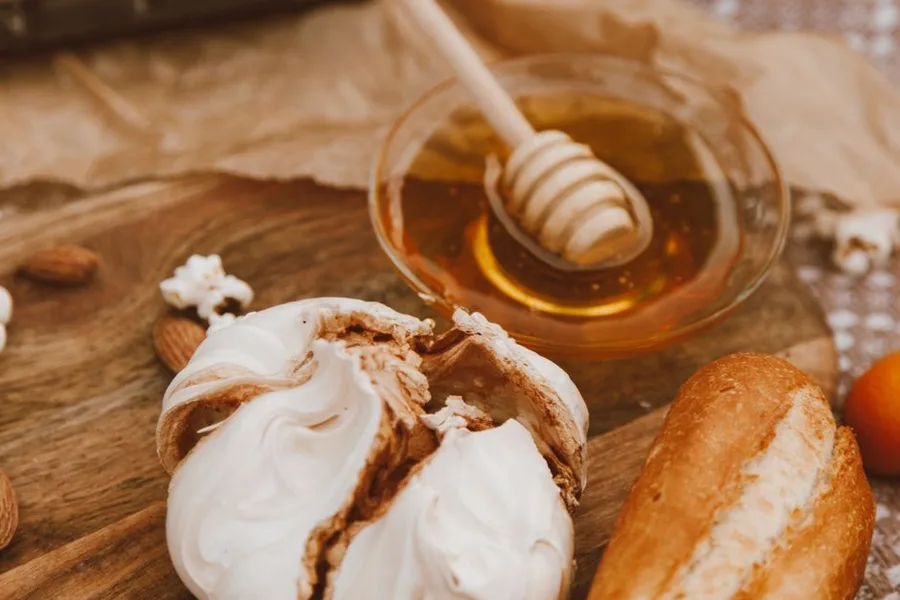
{ “title”: “Beeswax wrap: A Plain-English Guide for 2026”, “metaDescription”: “Learn what beeswax wrap is, how it works, its benefits, and how to use and care for it. A plain-English guide for 2026.”, “body”: “Quick Answer: Beeswax wrap is a reusable, eco-friendly alternative to plastic cling film, made from cotton fabric infused with beeswax, tree resin, and jojoba oil. It’s pliable, slightly sticky, and can be molded around food or bowls to create a seal. In 2026, beeswax wraps are popular for reducing single-use plastic waste, keeping produce fresh, and covering leftovers. They are washable, compostable, and typically last up to a year with proper care.” \n\n## What Is Beeswax wrap?\n\nBeeswax wrap is a sheet of cotton fabric coated with a blend of beeswax, tree resin, and jojoba oil. The combination creates a pliable, slightly tacky material that can be shaped around food items, bowls, or jars to form a protective seal. This seal helps keep food fresh by allowing some airflow while blocking moisture and bacteria. Unlike plastic wrap, beeswax wraps are reusable, washable, and compostable, making them a popular choice for those looking to reduce their environmental footprint.\n\n## Why Beeswax wrap Matters in 2026\n\nIn 2026, the push for sustainable living has intensified. According to the United Nations Environment Programme’s 2024 report on plastic pollution, over 400 million tonnes of plastic waste are generated annually, with a significant portion ending up in oceans and landfills. Beeswax wrap offers a practical way to cut down on single-use plastic in the kitchen. The global beeswax wrap market was valued at approximately $120 million in 2023 and is projected to grow by 6.5% annually through 2030, as reported by Grand View Research. This growth reflects a broader consumer shift toward zero-waste alternatives.\n\n## Who Is Beeswax wrap For?\n\nBeeswax wrap is for anyone who wants to reduce plastic use in their daily life. It’s especially useful for:\n- Home cooks who need to cover bowls, wrap produce, or pack lunches.\n- Parents looking for safer, non-plastic options for kids’ snacks.\n- Campers and travelers who want lightweight, reusable food storage.\n- Eco-conscious consumers striving to minimize their carbon footprint.\n\nIf you’re someone who regularly uses plastic wrap or storage bags, beeswax wrap can be a simple swap.\n\n## How Does Beeswax wrap Work?\n\nThe magic of beeswax wrap lies in its ingredients. The cotton base provides structure and durability. Beeswax acts as a natural waterproofing and antibacterial agent. Tree resin adds stickiness, helping the wrap cling to itself and to containers. Jojoba oil adds flexibility and helps maintain the wrap’s pliability over time. When you press the wrap around a bowl or food item, the warmth of your hands softens the wax, allowing it to mold and create a seal. As it cools, it holds its shape.\n\n## What Are the Benefits of Beeswax wrap?\n\nAccording to a 2025 study by the Environmental Protection Agency, over 80% of plastic food wrap ends up in landfills or incinerators. Beeswax wrap offers several key benefits:\n\n- Reusable and Long-lasting: With proper care, a beeswax wrap can last up to one year, replacing hundreds of feet of plastic wrap.\n- Compostable: At the end of its life, you can compost the wrap, returning its natural materials to the earth.\n- Breathable: The wrap allows some airflow, which helps keep fruits and vegetables fresher longer than airtight plastic.\n- Antibacterial: Beeswax has natural antibacterial properties, which can help inhibit the growth of bacteria on food surfaces.\n- Biodegradable: Made from natural materials, beeswax wraps break down without leaving harmful microplastics.\n\n## How to Use Beeswax wrap\n\nUsing beeswax wrap is simple:\n\n1. Warm it: Use the heat of your hands to soften the wrap for 10-15 seconds.\n2. Shape it: Press it around food, a bowl, or a jar. The wrap will stick to itself.\n3. Seal it: For bowls, fold the edges over the rim and press to create a seal.\n4. Store it: Keep it in a cool, dry place when not in use.\n\n## How to Clean and Care for Beeswax wrap\n\nCaring for your beeswax wrap ensures it lasts as long as possible:\n\n- Rinse with cold water: Use mild dish soap if needed, but avoid hot water, as it melts the wax.\n- Air dry: Let it air dry completely before storing.\n- Avoid heat: Keep away from ovens, microwaves, and dishwashers.\n- Refresh: If the wrap loses its stickiness, you can re-wax it by melting a small amount of beeswax onto the fabric and ironing it between parchment paper.\n\n## How Does Beeswax wrap Compare to Other Food Storage Options?\n\nHere’s a comparison of beeswax wrap with other common food storage methods:\n\n| Material | Reusable | Compostable | Breathable | Lasts | Cost per Use |\n| --- | --- | --- | --- | --- | --- |\n| Beeswax wrap | Yes | Yes | Yes | 6-12 months | Low (amortized) |\n| Plastic wrap | No | No | No | Single-use | Very low |\n| Silicone lids | Yes | No | No | Years | Medium |\n| Glass containers | Yes | No | No | Years | Low (amortized) |\n\nBeeswax wrap excels in being both compostable and breathable, making it a unique option for eco-conscious consumers.\n\n## What Are the Limitations of Beeswax wrap?\n\nWhile beeswax wrap is a great eco-friendly option, it has some limitations:\n\n- Not airtight: It’s not suitable for raw meat or liquids, as it doesn’t provide a completely airtight seal.\n- Heat-sensitive: It can’t be used in microwaves or ovens.\n- Requires care: It needs proper washing and storage to maintain its effectiveness.\n\n## How to Choose a Beeswax wrap\n\nWhen selecting a beeswax wrap, consider the following:\n\n- Material: Look for organic cotton and sustainably sourced beeswax.\n- Stickiness: A good wrap should have enough resin to cling but not be overly sticky.\n- Size: Buy a variety of sizes to cover different items.\n- Brand: Reputable brands include Bee’s Wrap, Abeego, and MightyNest, but many small makers offer quality options.\n\n## The Environmental Impact of Beeswax wrap\n\nAccording to the Environmental Protection Agency’s 2024 report on solid waste, the average American generates about 4.9 pounds of waste per day, with plastics making up a significant portion. By switching to beeswax wraps, a household can reduce its plastic wrap usage by up to 90%, as estimated by the Zero Waste International Alliance in 2023. Furthermore, beeswax wraps are made from renewable resources, and their production has a lower carbon footprint compared to petroleum-based plastics.\n\n## Frequently Asked Questions About Beeswax wrap\n\nCan beeswax wrap be used for meat? \nNo, beeswax wrap is not recommended for raw meat or fish because it is not airtight and may not provide adequate protection against bacteria. Use it for fruits, vegetables, cheese, and baked goods.\n\nHow long does beeswax wrap last? \nWith proper care, beeswax wrap typically lasts up to one year. You can extend its life by re-waxing it when it loses its stickiness.\n\nIs beeswax wrap safe for food contact? \nYes, beeswax, tree resin, and jojoba oil are all food-safe. However, avoid using it with foods that are hot, as heat can melt the wax.\n\nCan beeswax wrap go in the dishwasher? \nNo, dishwashers use hot water and strong detergents that can damage the wrap. Always hand wash with cold water.\n\n## Now That You Understand the Basics\n\nYou now have a solid understanding of what beeswax wrap is, how it works, and why it’s a valuable addition to a sustainable kitchen. If you’re ready to reduce your plastic use, consider trying beeswax wrap as a simple, effective alternative. For more information, explore our guides on sustainable living and zero-waste practices.” }
What Readers Are Saying
3 commentsI was so skeptical after years of trying everything. But 3 months in and I've lost 22 lbs. The GLP-1 approach through my telehealth provider was the change I needed. Wish I'd found this a year ago.
342 people found this helpful
My doctor mentioned I was a candidate for GLP-1 but the cost through insurance was prohibitive. Found a telehealth option for under $200/month which is a game-changer.
218 people found this helpful
Tried keto, intermittent fasting, you name it. The biological approach finally made things click. Down 18 lbs in 8 weeks and my energy is back.
156 people found this helpful
Based on this article
Why Diets Keep Failing You
Compounded Tirzepatide and Semaglutide deliver the same active ingredients as Ozempic and Mounjaro — through telehealth platforms for a fraction of the brand-name cost
Top pick: Gala · Starting at $179/mo — lowest price in the US
Related Solution Guides
Why Diets Keep Failing You — And the Prescription That Produces 15–22% Weight Loss Without $1,500/Month Ozempic
Compounded Tirzepatide and Semaglutide deliver the same active ingredients as Ozempic and Mounjaro — through telehealth platforms for a fraction of the brand-name cost
You've Tried to Quit Vaping. Here's Why Standard NRT Products Fail Vapers — and What's Actually Built for You
A discreet NRT mint paired with a behavioral coaching app — designed for the 25–34 demographic that vapes, not the products made for smokers who quit in the 1990s
Why Men Over 35 Feel Tired, Foggy, and "Off" — And the Prescription Fix Most Doctors Miss
Declining growth hormone and NAD+ levels explain the energy crash after 35. Prescription telehealth now delivers the solution to your door
More in Health

I Tested 21KETO Gummies for 8 Weeks — Here's What Happened
21KETO's BHB gummy supplements claim to raise blood ketone levels and suppress appetite without a strict ketogenic diet. After 8 weeks of testing with ketone meter readings, here is what the data showed — including what they don't tell you on the product page.

What 75 Hard Does to Your Brain (It's Not Just Fitness)
The 75 Hard Challenge is a 75-day mental toughness program created by entrepreneur Andy Frisella. Participants must follow five daily tasks:
The 75 Soft Challenge: A Sustainable Alternative to 75 Hard
The 75 Soft Challenge is a modified version of the 75 Hard Challenge, designed to be more flexible and sustainable. While exact rules vary,