Artificial Nails Explained: Types, Costs, and Care in 2026
Learn what artificial nails are, the types available in 2026, costs, application processes, and aftercare tips to help you choose the right option.
Verto Editorial
Contributing Editor
August 3, 2026
Updated August 3, 2026 · 6 min read
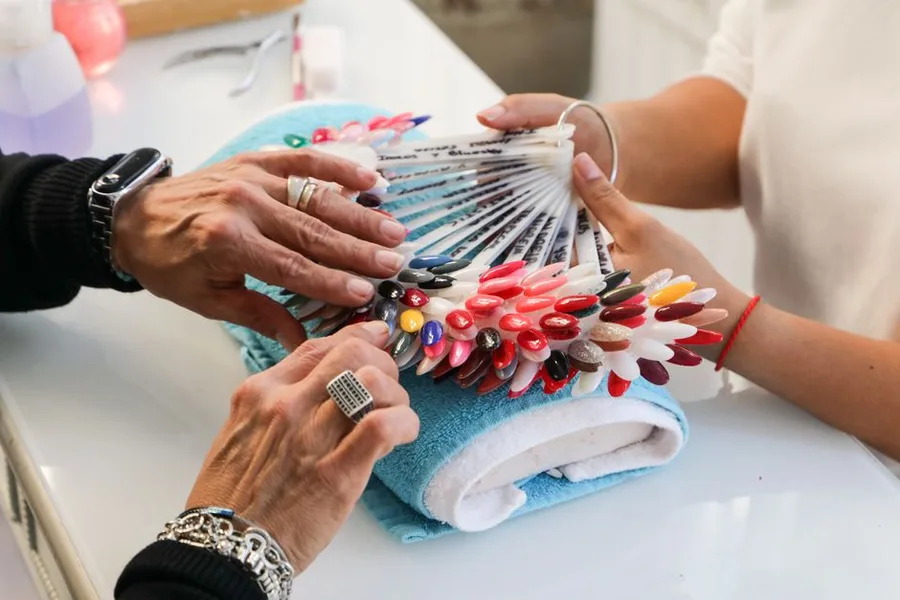
Artificial nails are synthetic enhancements applied to natural nails to improve appearance, strength, or length. They come in several types—including acrylic, gel, dip powder, and press-on—each with different application methods, durability, and costs. This guide explains the basics, including what to expect during application, how to care for them, and potential risks, so you can make an informed decision.
What Are Artificial Nails?
Artificial nails are synthetic overlays or full-cover enhancements that are adhered to or sculpted over your natural nails. They are designed to mimic the look of a well-manicured natural nail, often adding length, strength, or a decorative finish. The most common types include acrylics, gels, dip powders, and press-ons, each using different materials and application techniques. According to the American Academy of Dermatology (AAD), artificial nails are popular for their aesthetic appeal and durability, but they require proper maintenance to avoid damage to the natural nail.
Why Do People Choose Artificial Nails?
People choose artificial nails for a variety of reasons, from enhancing appearance to addressing nail-biting habits. A 2023 survey by the NPD Group found that over 50% of women in the U.S. have worn artificial nails at least once. The primary motivations include achieving a polished look for special occasions, adding length and strength to brittle nails, and protecting nails during activities that could cause damage. Additionally, artificial nails can serve as a barrier for individuals who bite their nails, helping to break the habit while providing an attractive alternative.
Who Is This For?
Artificial nails are suitable for anyone looking to enhance the appearance of their hands, but they are especially popular among individuals who:
- Want long, strong nails without waiting for natural growth
- Have a special event (weddings, proms, photoshoots) and desire a flawless manicure
- Struggle with nail biting or picking and want a deterrent
- Work in environments where natural nails are prone to breakage
- Enjoy experimenting with nail art and designs
Before getting artificial nails, it’s important to consider your lifestyle, budget, and any skin or nail conditions you may have. If you have a history of allergic reactions to nail products, consult a dermatologist first.
Types of Artificial Nails: A Comparison
Here’s a quick comparison of the four most common types of artificial nails:
| Type | Material | Application Time | Durability | Cost Range (per full set) | Removal Method |
|---|---|---|---|---|---|
| Acrylic | Liquid monomer and powder polymer | 45–60 minutes | 2–3 weeks | $30–$60 | Soak in acetone |
| Gel (hard gel) | Gel resin cured under UV/LED light | 30–45 minutes | 2–3 weeks | $35–$70 | Buff and soak |
| Dip Powder | Colored powder and resin adhesive | 30–45 minutes | 3–4 weeks | $30–$50 | Soak in acetone |
| Press-On | Pre-made plastic or gel nails | 10–20 minutes | 3–7 days | $5–$15 (DIY) | Peel off or soak |
Costs are average U.S. salon prices in 2026 and may vary by location and salon.
How Are Artificial Nails Applied?
Step 1: Nail Preparation – The natural nail is cleaned, buffed, and dehydrated to ensure proper adhesion.
Step 2: Application – Depending on the type, the technician applies a tip or form, then layers the material (acrylic, gel, or dip powder) to create the desired shape and length.
Step 3: Curing (for gel) – Gel nails are cured under a UV or LED lamp for 30–60 seconds per layer to harden.
Step 4: Shaping and Finishing – The nails are filed to the desired shape, and a top coat is applied for shine and protection.
Step 5: Aftercare Instructions – The technician will advise on how to care for your new nails, including avoiding lifting and scheduling fills.
How Long Do Artificial Nails Last?
Artificial nails typically last between two to four weeks, depending on the type and your natural nail growth. Acrylics and hard gels can last up to three weeks, while dip powder may last four weeks with proper care. Press-ons are temporary, lasting only a few days to a week. As your natural nails grow, a gap appears near the cuticle, requiring a fill every two to three weeks to maintain the look. According to the American Academy of Dermatology, leaving artificial nails on too long increases the risk of infection and damage to the natural nail.
How Much Do Artificial Nails Cost?
The cost of artificial nails varies widely based on type, salon location, and complexity. On average, a full set of acrylics costs between $30 and $60, while gel nails range from $35 to $70. Dip powder is slightly more affordable, averaging $30 to $50. Press-on nails are the most budget-friendly, with DIY kits costing $5 to $15. Fills, which are needed every two to three weeks, typically cost $20 to $40. Additional services like nail art, chrome finishes, or 3D designs can add $10 to $50 or more.
What Are the Risks and Downsides?
While artificial nails are generally safe when applied and maintained correctly, there are potential risks:
- Nail Damage: Frequent application and removal can weaken the natural nail, leading to thinning, peeling, or breakage.
- Infections: Moisture trapped between the artificial and natural nail can cause fungal or bacterial infections, especially if the nail lifts.
- Allergic Reactions: Some individuals may be allergic to the resins, glues, or powders used, causing redness, itching, or swelling.
- Cancer Concerns: UV lamps used to cure gel nails emit UVA radiation. According to the Skin Cancer Foundation, while the risk is low, repeated exposure may increase the risk of skin cancer on the hands. Use sunscreen or wear UV-protective gloves during curing.
How to Care for Artificial Nails
Proper care extends the life of your artificial nails and protects your natural nails:
- Keep them dry: Wear gloves when washing dishes or using harsh chemicals.
- Avoid using nails as tools: Don’t use them to open cans or scratch surfaces.
- Moisturize: Apply cuticle oil daily to keep the surrounding skin healthy.
- Don’t pick or peel: Lifting can cause damage; visit your technician for repairs.
- Schedule regular fills: Every 2–3 weeks to prevent lifting and breakage.
- Take breaks: Give your natural nails a rest every few months to recover.
How to Remove Artificial Nails Safely
Removing artificial nails should be done carefully to avoid damaging your natural nails. The safest method is to have them professionally removed. If you do it at home, follow these steps:
- File the top layer to break the seal.
- Soak nails in pure acetone for 10–15 minutes.
- Gently push off the softened product with a cuticle pusher.
- Wash hands and moisturize thoroughly.
Never pry or pull off artificial nails, as this can strip the top layer of your natural nail.
Artificial Nails vs. Natural Nails: Which Should You Choose?
| Factor | Artificial Nails | Natural Nails |
|---|---|---|
| Appearance | Consistent, polished look; can be customized | Varies with health and genetics |
| Durability | Strong and long-lasting | Prone to breakage and chipping |
| Maintenance | Requires regular fills and salon visits | Requires regular trimming and care |
| Cost | $30–$70 per set + fills | Minimal, at-home care |
| Health Impact | Potential damage and infection risk | Generally healthier with proper care |
If you want a temporary, low-commitment option, natural nails with regular polish may suffice. If you desire long, strong nails for a special occasion or to break a biting habit, artificial nails are a great choice.
Frequently Asked Questions
Can I wear artificial nails if I have short natural nails?
Yes, artificial nails can be applied to short natural nails. The technician will use tips or forms to extend the length, creating the desired look.
How often should I get fills?
Fills are typically needed every two to three weeks, depending on how fast your natural nails grow. Regular fills prevent lifting and breakage.
Will artificial nails ruin my natural nails?
With proper application, maintenance, and removal, artificial nails should not permanently damage your natural nails. However, frequent use can cause temporary thinning or weakness.
Are gel nails safer than acrylics?
There is no definitive answer; both have pros and cons. Gel nails are more flexible and have a more natural look, while acrylics are stronger and more durable. The key is proper application and aftercare.
Can I wear artificial nails during pregnancy?
Generally, artificial nails are considered safe during pregnancy, but it’s best to consult your healthcare provider. Ensure the salon is well-ventilated to minimize exposure to fumes.
Last Updated
Last updated: October 2026. This article was reviewed for accuracy and reflects the latest information on artificial nails as of this date.
Now that you understand the basics of artificial nails, you can decide if they’re right for you. If you’re considering a specific type, explore our detailed guides on acrylic nails, gel nails, and dip powder to learn more.
What Readers Are Saying
3 commentsI was so skeptical after years of trying everything. But 3 months in and I've lost 22 lbs. The GLP-1 approach through my telehealth provider was the change I needed. Wish I'd found this a year ago.
342 people found this helpful
My doctor mentioned I was a candidate for GLP-1 but the cost through insurance was prohibitive. Found a telehealth option for under $200/month which is a game-changer.
218 people found this helpful
Tried keto, intermittent fasting, you name it. The biological approach finally made things click. Down 18 lbs in 8 weeks and my energy is back.
156 people found this helpful
Based on this article
Why Diets Keep Failing You
Compounded Tirzepatide and Semaglutide deliver the same active ingredients as Ozempic and Mounjaro — through telehealth platforms for a fraction of the brand-name cost
Top pick: Gala · Starting at $179/mo — lowest price in the US
Related Solution Guides
Why Diets Keep Failing You — And the Prescription That Produces 15–22% Weight Loss Without $1,500/Month Ozempic
Compounded Tirzepatide and Semaglutide deliver the same active ingredients as Ozempic and Mounjaro — through telehealth platforms for a fraction of the brand-name cost
You've Tried to Quit Vaping. Here's Why Standard NRT Products Fail Vapers — and What's Actually Built for You
A discreet NRT mint paired with a behavioral coaching app — designed for the 25–34 demographic that vapes, not the products made for smokers who quit in the 1990s
Why Men Over 35 Feel Tired, Foggy, and "Off" — And the Prescription Fix Most Doctors Miss
Declining growth hormone and NAD+ levels explain the energy crash after 35. Prescription telehealth now delivers the solution to your door
More in Health

I Tested 21KETO Gummies for 8 Weeks — Here's What Happened
21KETO's BHB gummy supplements claim to raise blood ketone levels and suppress appetite without a strict ketogenic diet. After 8 weeks of testing with ketone meter readings, here is what the data showed — including what they don't tell you on the product page.

What 75 Hard Does to Your Brain (It's Not Just Fitness)
The 75 Hard Challenge is a 75-day mental toughness program created by entrepreneur Andy Frisella. Participants must follow five daily tasks:

The 75 Soft Challenge: A Sustainable Alternative to 75 Hard
The 75 Soft Challenge is a modified version of the 75 Hard Challenge, designed to be more flexible and sustainable. While exact rules vary,