Anxiety Explained: Symptoms, Causes, and Relief Options
Understand anxiety in plain English: what it is, common symptoms, causes, and effective relief options. A clear, practical guide for 2026.
Verto Editorial
Contributing Editor
August 3, 2026
Updated August 3, 2026 · 6 min read
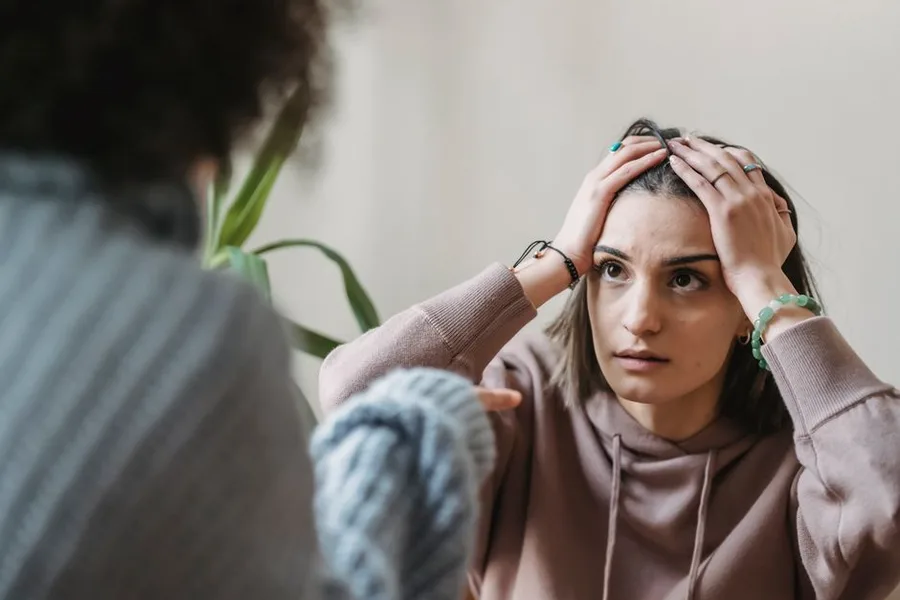
Anxiety is a natural human response to stress or danger, characterized by feelings of worry, nervousness, or fear. While occasional anxiety is normal, an anxiety disorder occurs when these feelings become excessive, persistent, and interfere with daily life. According to the World Health Organization (WHO), anxiety disorders are the most common mental health conditions worldwide, affecting an estimated 301 million people in 2019. This guide explains what anxiety is, its symptoms, causes, and the evidence-based options available to manage it, helping you understand when to seek support.
What is anxiety?
Anxiety is a normal and often healthy emotion. It is your body’s natural response to stress, alerting you to potential threats and helping you stay focused and alert in challenging situations. However, when anxiety becomes overwhelming, persistent, and disproportionate to the situation, it may be classified as an anxiety disorder. According to the American Psychiatric Association’s Diagnostic and Statistical Manual of Mental Disorders (DSM-5), anxiety disorders include generalized anxiety disorder, panic disorder, social anxiety disorder, and specific phobias. These conditions are characterized by excessive fear or worry that is difficult to control and causes significant distress or impairment in social, occupational, or other important areas of functioning.
Why does anxiety matter?
Anxiety matters because it is one of the most prevalent mental health challenges globally, affecting people of all ages and backgrounds. The World Health Organization reports that anxiety disorders are the most common mental health conditions worldwide, with an estimated 301 million people living with them in 2019. Untreated anxiety can lead to reduced quality of life, impaired work performance, and increased risk of developing other mental health issues, such as depression. Moreover, anxiety is often underdiagnosed and undertreated, with many people suffering in silence. Understanding anxiety is the first step toward seeking effective support and improving overall well-being.
Who is this guide for?
This guide is for anyone who wants to understand anxiety better—whether you experience occasional anxiety yourself, know someone who does, or are simply curious about this common human emotion. It is also for those who have recently been diagnosed with an anxiety disorder and are looking for a clear, evidence-based overview of what to expect and what options are available. If you are a caregiver, educator, or employer, this guide will help you recognize anxiety in others and respond with empathy and informed action. No prior knowledge is required; this is a plain-English introduction to a complex topic.
What are the common symptoms of anxiety?
Anxiety manifests through a combination of physical, emotional, and behavioral symptoms. Physical symptoms often include a racing heart, rapid breathing, sweating, trembling, fatigue, and difficulty sleeping. Emotionally, anxiety can cause feelings of dread, restlessness, irritability, and difficulty concentrating. Behaviorally, a person may avoid situations that trigger anxiety or engage in reassurance-seeking behaviors. According to the National Institute of Mental Health (NIMH), symptoms of anxiety disorders can vary but typically involve excessive worry that is out of proportion to the actual situation and persists for six months or more. For example, a person with generalized anxiety disorder may worry excessively about everyday matters such as finances, health, or family, even when there is no apparent reason for concern.
What causes anxiety?
Anxiety does not have a single cause; rather, it arises from a complex interplay of genetic, environmental, psychological, and developmental factors. Research indicates that individuals with a family history of anxiety or other mental health conditions are at higher risk, suggesting a genetic component. Environmental factors, such as childhood trauma, chronic stress, or significant life changes, can also trigger anxiety. Additionally, certain medical conditions and substance use may contribute to anxiety symptoms. The American Psychological Association (APA) notes that anxiety is a normal response to stress, but when it becomes chronic, it may reflect an underlying vulnerability. For instance, a person who grew up in an unpredictable environment may develop heightened sensitivity to potential threats, leading to anxiety in adulthood.
How is anxiety diagnosed?
Anxiety is diagnosed by a qualified mental health professional, such as a psychologist, psychiatrist, or licensed counselor, based on a comprehensive evaluation. The evaluation typically includes a clinical interview, a review of medical history, and standardized assessment tools. According to the DSM-5, to receive a diagnosis of generalized anxiety disorder, a person must experience excessive anxiety and worry about a variety of topics on more days than not for at least six months, and find it difficult to control the worry. The anxiety must also cause clinically significant distress or impairment in functioning. It is important to note that only a professional can provide a diagnosis; self-diagnosis based on internet information is not reliable.
What are the treatment options for anxiety?
Treatment for anxiety typically involves psychotherapy, medication, or a combination of both. Cognitive-behavioral therapy (CBT) is the most widely studied and effective form of psychotherapy for anxiety disorders. According to the American Psychological Association, CBT helps individuals identify and challenge negative thought patterns and gradually face feared situations. Medications such as selective serotonin reuptake inhibitors (SSRIs) and serotonin-norepinephrine reuptake inhibitors (SNRIs) are commonly prescribed and have been shown to be effective in reducing anxiety symptoms. The National Institute for Health and Care Excellence (NICE) recommends CBT as the first-line treatment for generalized anxiety disorder, with medication offered if CBT alone is insufficient. Lifestyle changes, such as regular exercise, adequate sleep, and stress management techniques, can also complement formal treatment.
Can anxiety be prevented or managed at home?
While it may not be possible to prevent anxiety entirely, there are effective self-management strategies that can reduce its impact. Regular physical activity, such as brisk walking or yoga, has been shown to lower anxiety levels by releasing endorphins and reducing stress hormones. Mindfulness meditation and deep breathing exercises can help calm the mind and reduce the physiological arousal associated with anxiety. The Anxiety and Depression Association of America (ADAA) recommends limiting caffeine and alcohol intake, as these substances can exacerbate anxiety. Building a strong support network of friends and family, and setting realistic goals, also contribute to resilience. If self-help strategies are insufficient, seeking professional help is a wise next step.
When should you seek professional help for anxiety?
You should consider seeking professional help if anxiety symptoms are persistent, severe, or interfering with your daily functioning. The National Alliance on Mental Illness (NAMI) advises that if you experience anxiety that lasts for several weeks and affects your work, relationships, or physical health, it is time to consult a healthcare provider. Additionally, if you have thoughts of self-harm or suicide, seek immediate help by calling a crisis hotline or going to the nearest emergency room. Early intervention can prevent anxiety from worsening and improve the effectiveness of treatment. Remember, seeking help is a sign of strength, not weakness.
How does anxiety affect daily life and relationships?
Anxiety can significantly affect daily life and relationships. It can lead to avoidance of social situations, difficulty concentrating at work or school, and strain on personal relationships due to irritability or withdrawal. According to the World Health Organization, anxiety disorders are associated with substantial disability and reduced productivity. For example, a person with social anxiety may decline job promotions that require public speaking, limiting career growth. In relationships, partners may feel confused or frustrated by the anxious person’s behaviors, leading to conflict. Understanding that anxiety is a medical condition, not a personal failing, can help both the individual and their loved ones respond with compassion and support.
What is the difference between normal anxiety and an anxiety disorder?
Normal anxiety is a temporary response to a specific stressor, such as a job interview or a final exam, and subsides once the stressor is resolved. In contrast, an anxiety disorder involves excessive, persistent worry that is disproportionate to the situation and lasts for months. The key difference lies in the intensity, duration, and impact on functioning. The DSM-5 defines anxiety disorders as involving fear and worry that are difficult to control and cause clinically significant distress or impairment. For instance, feeling nervous before a presentation is normal, but avoiding all public speaking for months due to intense fear suggests a disorder. If you are unsure whether your anxiety is normal or problematic, consider how much it interferes with your life and whether it feels out of control.
How can you support someone with anxiety?
Supporting someone with anxiety involves empathy, patience, and practical assistance. Listen without judgment and avoid dismissive phrases like “just relax” or “it’s all in your head.” Instead, acknowledge their feelings and offer reassurance. Encourage them to seek professional help if needed and offer to accompany them to appointments. Help them identify triggers and develop coping strategies, such as breathing exercises or taking a walk. The National Alliance on Mental Illness (NAMI) suggests that family and friends educate themselves about anxiety to better understand what their loved one is experiencing. Remember to take care of your own mental health as well, as supporting someone with anxiety can be challenging.
What are the latest research and trends in anxiety treatment for 2026?
Research in anxiety treatment is advancing, with a focus on personalized approaches and digital health tools. In 2025, a study published in the Journal of Affective Disorders found that internet-delivered cognitive-behavioral therapy (iCBT) was as effective as in-person CBT for treating anxiety disorders, offering greater accessibility. Additionally, the use of virtual reality (VR) exposure therapy is gaining traction, allowing individuals to confront feared situations in a controlled, safe environment. The American Psychiatric Association’s 2025 guidelines continue to endorse CBT and SSRIs as first-line treatments but emphasize the importance of tailoring treatment to the individual. Digital mental health apps, such as those offering mindfulness and biofeedback, are increasingly used as adjuncts to traditional therapy. These trends suggest a future where anxiety care is more accessible, personalized, and effective.
Now that you understand the basics
You now have a solid foundation for understanding anxiety: what it is, how it manifests, and the evidence-based options for managing it. If you are experiencing anxiety that interferes with your life, consider speaking with a mental health professional. For more in-depth information, explore our related guides on specific anxiety disorders, treatment options, and self-help strategies. Remember, anxiety is a common and treatable condition, and you are not alone. Taking the first step toward understanding is a positive move forward.
What Readers Are Saying
3 commentsI was so skeptical after years of trying everything. But 3 months in and I've lost 22 lbs. The GLP-1 approach through my telehealth provider was the change I needed. Wish I'd found this a year ago.
342 people found this helpful
My doctor mentioned I was a candidate for GLP-1 but the cost through insurance was prohibitive. Found a telehealth option for under $200/month which is a game-changer.
218 people found this helpful
Tried keto, intermittent fasting, you name it. The biological approach finally made things click. Down 18 lbs in 8 weeks and my energy is back.
156 people found this helpful
Based on this article
Why Diets Keep Failing You
Compounded Tirzepatide and Semaglutide deliver the same active ingredients as Ozempic and Mounjaro — through telehealth platforms for a fraction of the brand-name cost
Top pick: Gala · Starting at $179/mo — lowest price in the US
Related Solution Guides
Why Diets Keep Failing You — And the Prescription That Produces 15–22% Weight Loss Without $1,500/Month Ozempic
Compounded Tirzepatide and Semaglutide deliver the same active ingredients as Ozempic and Mounjaro — through telehealth platforms for a fraction of the brand-name cost
You've Tried to Quit Vaping. Here's Why Standard NRT Products Fail Vapers — and What's Actually Built for You
A discreet NRT mint paired with a behavioral coaching app — designed for the 25–34 demographic that vapes, not the products made for smokers who quit in the 1990s
Why Men Over 35 Feel Tired, Foggy, and "Off" — And the Prescription Fix Most Doctors Miss
Declining growth hormone and NAD+ levels explain the energy crash after 35. Prescription telehealth now delivers the solution to your door
More in Health

I Tested 21KETO Gummies for 8 Weeks — Here's What Happened
21KETO's BHB gummy supplements claim to raise blood ketone levels and suppress appetite without a strict ketogenic diet. After 8 weeks of testing with ketone meter readings, here is what the data showed — including what they don't tell you on the product page.

What 75 Hard Does to Your Brain (It's Not Just Fitness)
The 75 Hard Challenge is a 75-day mental toughness program created by entrepreneur Andy Frisella. Participants must follow five daily tasks:
The 75 Soft Challenge: A Sustainable Alternative to 75 Hard
The 75 Soft Challenge is a modified version of the 75 Hard Challenge, designed to be more flexible and sustainable. While exact rules vary,