eSIM vs. SIM vs. Roaming: The 2026 Cost Breakdown
International data options in 2026: your carrier's roaming plan, a local SIM, or an eSIM from a provider like Airalo, Holafly, or aloSIM. After 4 trips using all three, here's the cost comparison, coverage quality breakdown, and the situations where each option makes the most sense.
Alex Kovacs
Security & Technology Editor
June 11, 2026
Updated June 11, 2026 · 8 min read
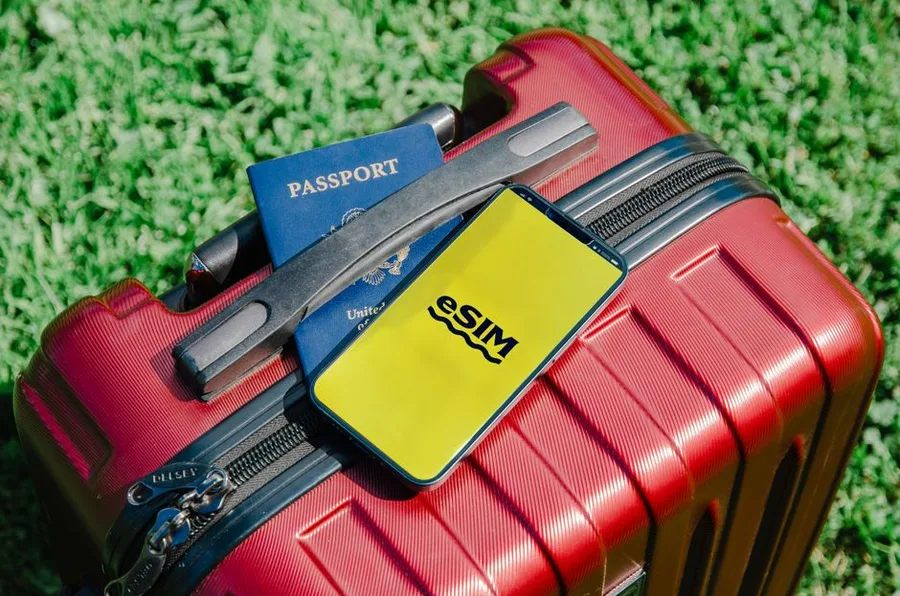
Bottom line: eSIMs have fundamentally changed international travel connectivity. After 4 international trips comparing all three options (carrier roaming, local SIM, eSIM), eSIM wins on the combination of cost, convenience, and reliability for trips over 3 days. Local SIMs remain the cheapest option for extended stays (1+ week) in destinations where getting a SIM at the airport or convenience store is trivial. Carrier roaming is a convenience tax — pay it when you land for a day trip, regret it for anything longer. Here’s the full comparison with real prices.
The Three Options: What Each Actually Costs
I used all three options across 4 trips in the past 18 months: Paris (5 days), Japan (8 days), Mexico (3 days), Canada (4 days). Real prices, my actual spend.
Option 1: Carrier Roaming (AT&T International Day Pass, $10/day)
Paris trip: 5 days = $50. Got my full domestic data speed and everything worked out of the box. No setup, no airport stop. Paid a significant premium for that convenience.
Japan trip: $10/day × 8 days = $80 if I’d used roaming. I didn’t — I knew better by then.
Option 2: Local SIM
Japan: Purchased a SIM at Narita Airport (IIJmio, 15GB/15 days, ¥2,000 = ~$14). Setup time: 10 minutes at the airport SIM kiosk. Quality: excellent — Japan’s LTE coverage is genuinely among the world’s best. Cost: $14 for 8 days of full-speed data.
Limitation: my home number was unavailable for the 8 days (I had to remove my home SIM). I missed a phone call that mattered.
Option 3: eSIM
Protect your connection
Get Your eSIM — Instant Activation, No Physical SIM Needed
See plans and pricing →No commitment — cancel anytime
Canada (most recent trip): Purchased Airalo Canada eSIM before departing — 5GB, 15 days, $9. Activated by scanning a QR code in the Airalo app. On landing in Toronto, the eSIM connected automatically. My AT&T number remained active for calls. Cost: $9 vs. $40 (4 days × $10/day AT&T roaming).
Mexico: Holafly unlimited data, 7 days, $18. Works through the Telcel network — solid 4G/LTE coverage in urban areas. Used my home SIM for WhatsApp calls and texts.
Is eSIM worth it for international travel?
Yes for any trip over 2 days where your phone supports eSIM. The cost savings versus carrier roaming are 50–80% for most destinations. The convenience advantage over local SIMs (no physical card swap, home number stays active) is significant. For trips under 1–2 days where you’ll mostly be on hotel WiFi, carrier roaming’s zero-setup convenience may be worth the premium.
Country-by-Country: What I’d Use in 2026
| Destination | Best option | Why |
|---|---|---|
| Western Europe (5+ days) | eSIM (Holafly unlimited or Airalo) | Competitive unlimited pricing, easy activation |
| Japan | Local SIM at airport | Cheapest, excellent network quality, easy to get |
| Mexico | eSIM (Airalo or Holafly) | Better than Telcel roaming rates, minimal setup |
| Canada | eSIM (aloSIM or Airalo) | Avoid $10–$15/day Canadian carrier roaming |
| Southeast Asia | eSIM or local SIM | Grab local SIM at airport in most countries under $10 |
| Short trip (1–2 days) | Carrier roaming (Day Pass) | Convenience worth the premium for short trips |
What to Watch For: The Fine Print
Unlimited eSIM plans: “Unlimited” often means unlimited at high speed for a certain amount (5–15GB), then throttled. Read the fine print before buying. For video calls and navigation, throttled data at 512kbps is barely functional.
Hotspot support: Not all eSIMs support mobile hotspot. If you’re traveling with a laptop and need hotspot capability, confirm before buying.
eSIM compatibility: iPhone 14 and earlier users in the US — you likely have dual SIM (physical + eSIM), which works fine. iPhone 15 and later in the US are eSIM-only, which means your domestic carrier is also eSIM, and you may need to confirm you can add a travel eSIM as a second profile. Most modern iPhones support up to 8 eSIM profiles.
[For the VPN angle on travel data security, our VPN guide explains why public WiFi and hotel networks carry risks that eSIM alone doesn’t address.]
Get Your eSIM → Instant Activation, Data in 200+ Countries
What Readers Are Saying
3 commentsSwitched from paying $12/month for a VPN that slowed my connection by 40% to one that actually performs. Night and day difference for streaming.
203 people found this helpful
Needed something for the whole family. The 6-device plan covers all our phones and laptops. Finally stopped worrying about public WiFi.
167 people found this helpful
My ISP was definitely throttling me. Running the same speed tests after the VPN and my Netflix quality went from buffering SD to smooth 4K.
145 people found this helpful
Based on this article
Your Internet Provider Sees Everything You Do Online
VPN encryption hides your browsing from your ISP, advertiser trackers, and anyone on your network — for less than Netflix
Top pick: ZoogVPN · Encrypted · Works in 150+ countries
Frequently Asked Questions
What is an eSIM and how is it different from a physical SIM card?
An eSIM (embedded SIM) is a digital SIM built into your phone that can be programmed remotely without inserting a physical card. On iPhone (XS and later) and most flagship Android phones (Pixel 3+, Samsung S20+), you can add an eSIM through an app or QR code scan. The practical advantage for travel: you buy data online before your trip, activate it with a QR code, and switch between your home carrier and the travel eSIM in your phone settings. No airport SIM hunting, no voiding your home number while abroad.
Is eSIM cheaper than international roaming from my carrier?
Yes, substantially for most international carriers. T-Mobile Magenta includes international data at no extra charge (128kbps speed — effectively unusable for most purposes). Verizon's Travel Pass is $10/day for full-speed data. AT&T International Day Pass is $10/day. In comparison, eSIM providers: Airalo offers 3GB in the EU for $10–$14; Holafly offers unlimited data in Europe for $27–$47 depending on duration. For trips over 3 days, eSIM typically costs 50–80% less than carrier roaming.
Can you still receive calls and texts on your home number with an eSIM?
Yes — your home carrier SIM (physical or eSIM) stays active on your phone. The travel eSIM handles data only. Calls and texts to your home number still work through your carrier. WhatsApp, iMessage, and other data-based messaging apps work through the eSIM's data connection. The setup: your phone uses the travel eSIM for data, your home carrier SIM for voice/SMS. Modern phones support this dual-line operation natively.
Which eSIM providers are most reliable in 2026?
Airalo (most coverage — 200+ countries), Holafly (unlimited data options, popular for Europe and Asia), aloSIM (Canadian provider, strong North America coverage), Saily (NordVPN's eSIM brand, strong privacy positioning), Ubigi (solid for Europe and Japan specifically). Coverage quality varies by destination — the carrier behind the eSIM determines network quality. For specific destinations, comparing the underlying carrier matters more than the eSIM brand.
What phones support eSIM for travel?
Most smartphones since 2019 support eSIM: iPhone XS and later (note: iPhone 15 and later in the US are eSIM-only), Google Pixel 3 and later, Samsung Galaxy S20 and later, most flagship OnePlus, Motorola, and Sony phones from 2020 onward. Check your phone's specifications — look for 'eSIM support' or 'Dual SIM (nano-SIM + eSIM)' in the specs. iPhones purchased outside the US may have eSIM slot restrictions depending on carrier lock status.
Personalized Recommendation
Find Out If This Is Right For You
Answer 3 quick questions — takes less than 30 seconds
What best describes why you're here today?
Based on your answers
Get Your eSIM appears to be a strong match
Takes under 60 seconds — no obligation to proceed.
Get Your eSIM — Instant Activation, No Physical SIM Needed →Verto may earn a commission — it never changes our verdict. No obligation to purchase.
Today's Top Pick
Get Your eSIM — Instant Activation, No Physical SIM Needed
Available now — see if it's right for your situation.
Get Your eSIM — Instant Activation, No Physical SIM NeededVerto may earn a commission — it never changes our verdict. Checking availability doesn't commit you to anything.
Related Solution Guides
Your Internet Provider Sees Everything You Do Online — Here's How to Stop That in 60 Seconds
VPN encryption hides your browsing from your ISP, advertiser trackers, and anyone on your network — for less than Netflix
Your Personal Information Is Already Compromised — Here's How to Stop the Damage
Dark web monitoring, stolen data alerts, and identity restoration — all-in-one protection that pays if something goes wrong
Your Streaming Library Is 40% Smaller Than It Should Be — A VPN Fixes That
Switch your Netflix, Disney+, or Amazon Prime region and access titles that aren't available in the US — without changing your subscription
Run the Numbers
More in Tech
3 Ways to View Instagram Stories Anonymously (That Actually Work)
Instagram shows story posters who watched their content. There are three methods to view without appearing: airplane mode timing, third-party story viewers, and close friends list behavior. Here's what actually works, what doesn't, and the privacy tradeoff of each.
What a VPN Actually Does (And Why I Finally Got One)
I spent years assuming VPNs were for hackers and paranoid people. Then I read my ISP's privacy policy, used airport WiFi with Wireshark, and started noticing the ads. Here's what actually changed my mind — and why ZoogVPN is what I settled on after testing seven others.